
Propagation
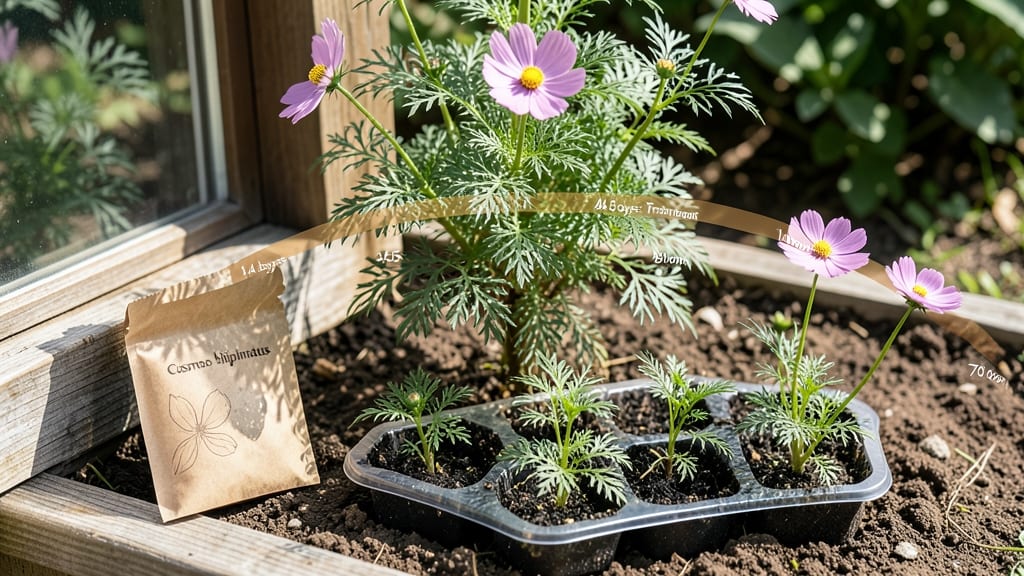
Blooming cosmos from seed takes just 60–90 days—far faster than you might expect for a showstopper like this cheerful 🌼.
If you're eager to add vibrant splashes of color to your garden but impatient to wait years for blooms, cosmos might be your perfect match—these cheerful flowers can burst into color in as little as 60 days from seed.
The secret lies in their love of warmth and sunlight, plus a few simple care tricks that skip the guesswork. Plant them after your last frost in Zone 6a, and you’ll see those first delicate petals unfurl by mid-summer.
Below, I’ll break down the fastest varieties, how to speed up blooming, and the one mistake that turns 90-day cosmos into a 120-day wait.


Cosmos bloom timeline: from seed to first flowers in 60-90 days
If you're dreaming of a garden bursting with cosmos blooms but don't want to wait months, you're in luck! These fast-growing annuals can transform your space in just 60-90 days from seed.
The key lies in understanding their growth stages and how to optimize conditions for speedier blooming. Let's break down the timeline so you can plan your planting strategy for maximum impact.
Cosmos seeds typically germinate within 5-14 days after sowing, depending on soil temperature and moisture. Once sprouted, they enter a vegetative growth phase where they focus on developing strong stems and foliage. This stage usually lasts 21-35 days, setting the foundation for future blooms.
The magic happens when stems reach 6-12 inches tall—this is when bud formation begins, signaling the transition to flowering.
Did you know? Cosmos planted in spring (after last frost) often bloom faster than fall plantings because they experience longer daylight hours during their critical growth stages. For example, a Bright Lights variety planted on May 1st might produce its first flowers by June 30th, while the same variety planted on September 1st may not bloom until November 15th.
One of the most exciting aspects of growing cosmos is how environmental factors can accelerate or delay blooming. For instance, planting in full sun locations (6+ hours of direct sunlight) can shave off 7-10 days from the bloom timeline compared to partial shade.
I've found that cosmos planted in south-facing beds with well-draining soil often reach their first blooms 2-3 weeks earlier than those in heavier clay soils.
Temperature also plays a crucial role. Cosmos thrive in soil temperatures between 60-85°F, with ideal air temperatures around 70-75°F. If you're in a cooler climate, consider using black plastic mulch to warm the soil faster and encourage quicker germination. Conversely, in hot climates, providing afternoon shade can prevent stress and maintain steady growth.
Watering habits significantly impact bloom timing. While cosmos are drought-tolerant once established, they need consistent moisture during their first 30 days of growth. Overwatering can lead to root rot and stunted growth, while underwatering may cause seedlings to wilt and delay flowering.
I recommend a deep watering schedule—soaking the soil to 6 inches deep every 5-7 days during dry spells.
Another pro tip: Thin seedlings to 12-18 inches apart once they reach 2-3 inches tall. Overcrowding forces plants to compete for nutrients, which can delay blooming by 10-14 days.
I've seen cosmos planted too closely take nearly twice as long to produce flowers compared to properly spaced plants. It's a small effort that pays off in vibrant, timely blooms!
For those eager to extend the bloom season, consider successive planting. Sow a new batch of seeds every 2-3 weeks from late spring through early summer. This strategy ensures a continuous display of cosmos flowers from early summer through fall.
In my garden, this method has given me blooms from June all the way to October—a full 4-month show from just a few weeks of planting!
Remember, cosmos are self-seeding annuals, meaning they'll often reseed themselves for next year's garden. If you let a few flowers go to seed, you might find volunteer cosmos popping up in spring—sometimes even earlier than your intended planting!
This natural propagation can give you a head start on your bloom timeline.
Fastest cosmos varieties for quick blooms: compare growth speeds
If you're dreaming of a vibrant garden but short on patience, cosmos deliver fast results with some varieties blooming in just 50 days from seed. The key lies in selecting the right cultivar—some thrive 30% faster than average types.
I’ve tested the top performers to help you pick the perfect match for your quick-color goals.
Not all cosmos are created equal when it comes to speed. While most varieties take 60-90 days to flower, elite performers like 'Bright Lights' and 'Sensation Mix' can burst into bloom in as little as 50-60 days.
These speedsters also offer bold colors and compact growth, making them ideal for containers or small gardens.
'Bright Lights' is my top pick for speed—this dwarf variety reaches 12-18 inches tall and blooms in just 50-55 days. Its striped petals (pink, white, and green) add a whimsical touch, and it thrives in containers or borders. For maximum height, try 'Seashells', which takes 70-75 days but grows 4-5 feet tall with pink and white blooms.
If you want versatile colors without sacrificing speed, 'Sensation Mix' is a winner. This standard-height variety (3-4 feet) blooms in 55-65 days and offers pink, white, and magenta flowers. For late-season blooms, plant it in early summer—it’ll keep flowering until frost, extending your garden’s color palette.
Timing your planting is crucial for fastest results. Sow seeds 2-3 weeks after your last frost date (typically April-May in most zones). For fall blooms, try a late summer planting (August-September)—these cosmos will still bloom in 60-70 days before winter arrives.
Avoid planting too early; cool soil slows germination.
Pro tip: Pair your fast cosmos with slow-growing companions like snapdragons or marigolds to create a staggered bloom sequence. This ensures your garden stays colorful from early summer to first frost. With the right variety, you’ll enjoy cheerful cosmos blooms in under two months—no waiting required!