
Flowers
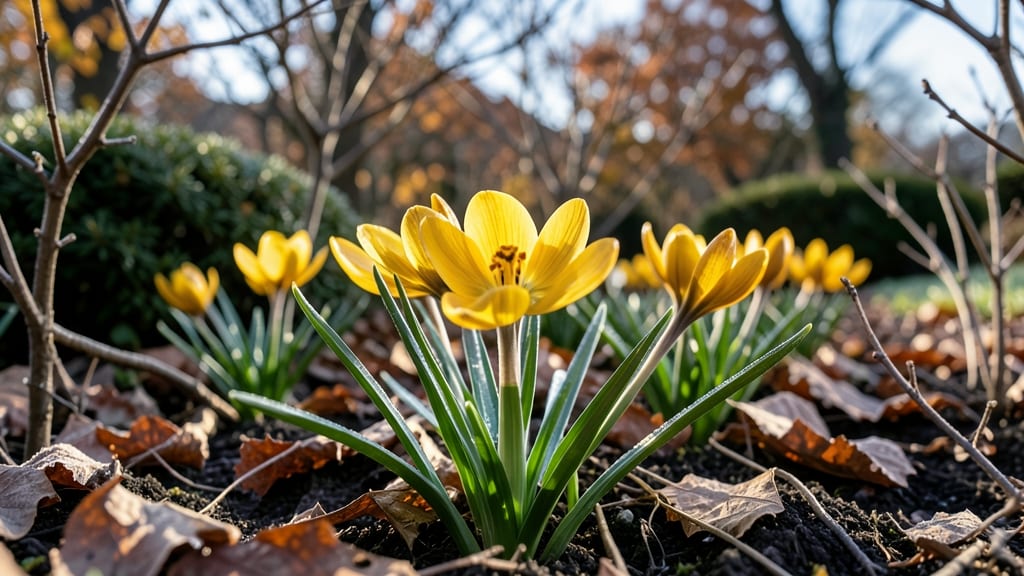
November gardens don’t have to be dull—these hardy flowers prove beauty thrives even as temperatures drop. Discover cold-resistant blooms that extend your season, attract pollinators, and add vibrant color to frost-kissed landscapes.
Chrysanthemums: Frost-Resistant Autumn Queens
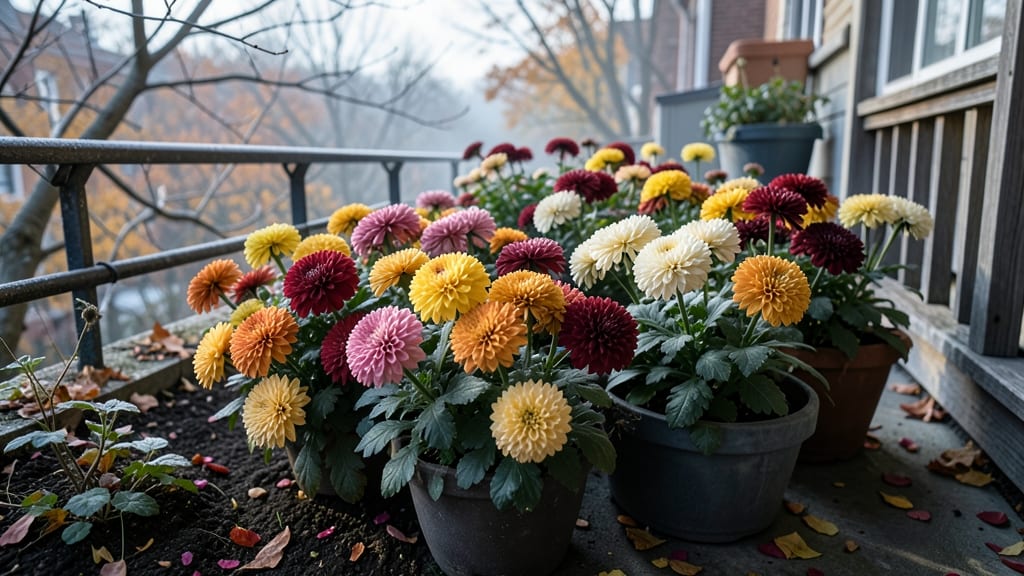
When November’s crisp air arrives, chrysanthemums step in as the unsung heroes of late-season gardens, offering 30+ varieties that defy frost and dazzle with color. These hardy perennials thrive in both garden beds and containers, making them perfect for urban balconies or sprawling landscapes alike.
With their light frost tolerance, chrysanthemums continue blooming well into winter, providing vital nectar for bees and butterflies when food sources dwindle. Choose spider, pompom, or daisy types for unique textures, and plant in full sun for the longest-lasting blooms. Deadhead spent flowers to encourage more blooms until the first hard freeze.
Gardeners in cooler climates will love how chrysanthemums extend the season without extra effort—ideal for cutting gardens or adding to bouquets that last weeks indoors. 🌻
Pansies: Hardy Cold-Weather Survivors
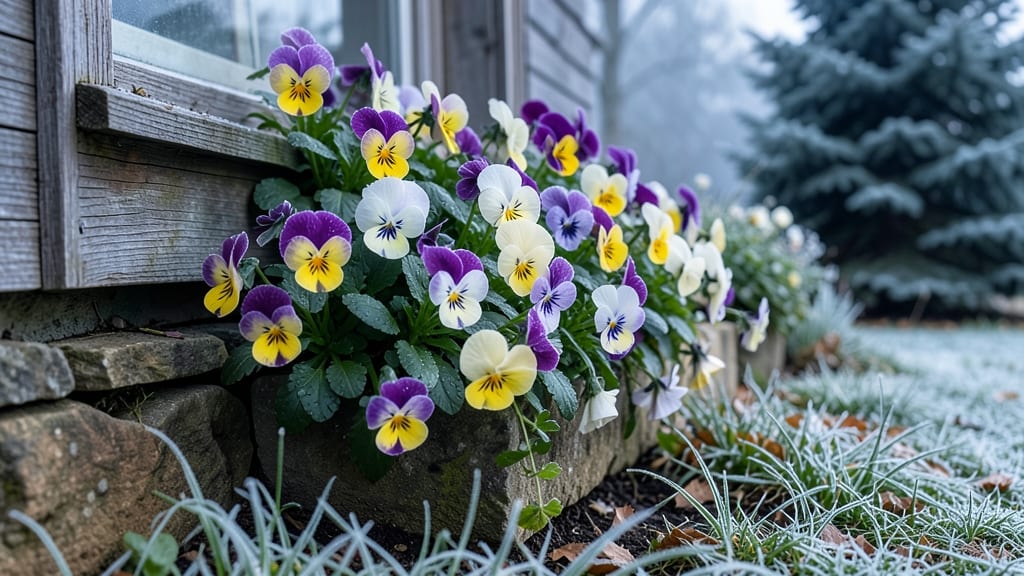
When frost threatens to end your garden's season, pansies prove that cold weather doesn’t mean colorless landscapes. These cheerful blooms not only survive but thrive in temperatures as low as 20°F, making them the perfect late-season stars for window boxes and borders.
The Matrix series, in particular, delivers compact, long-lasting blooms that resist rain and wind—ideal for urban gardeners or those with limited space. Their edible petals add a bonus: sprinkle them over salads for a mild, slightly peppery flavor. Plant them in well-draining soil with 4-6 hours of sun for continuous blooms from fall through spring.
Perfect for beginners or busy gardeners, pansies demand little maintenance yet deliver maximum impact—brightening up chilly November days with their vibrant faces. 🌷
Sweet Alyssum: Fragrant Winter Delight
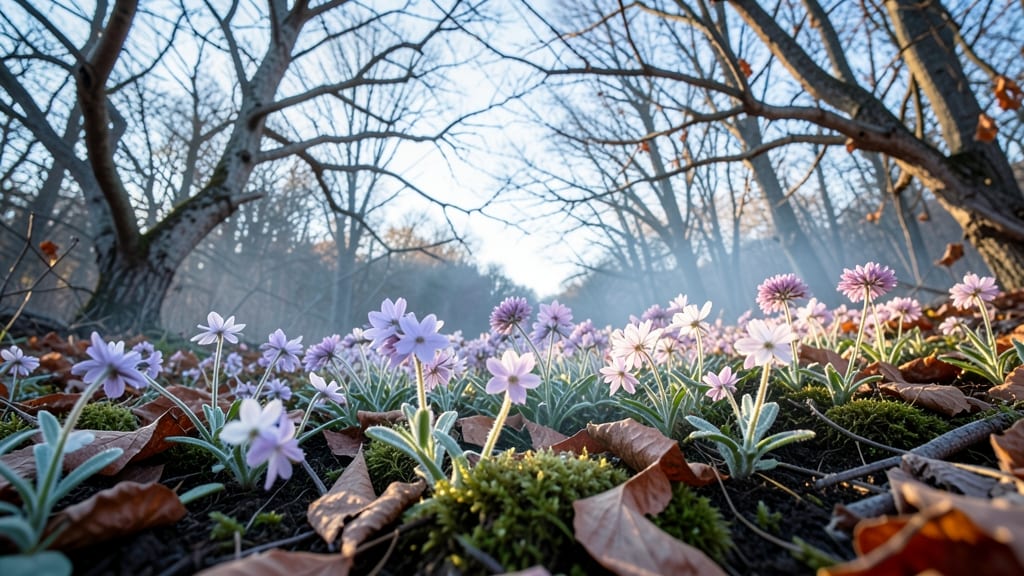
When deciduous trees shed their leaves in late autumn, sweet alyssum steps in to fill the gaps with its delicate, honey-scented blooms. This low-growing annual thrives in the dappled shade of tree canopies, where few other plants dare to grow, yet it still attracts pollinators with its sweet fragrance.
Plant sweet alyssum in well-draining soil and water lightly to keep the soil moist but not soggy. It self-seeds prolifically, creating a fragrant carpet that spreads naturally year after year. Choose varieties like 'Snow Crystal' or 'White Queen' for pure white blooms, or 'Violet Queen' for a touch of purple. Its tolerance for cooler temperatures makes it a perfect choice for extending your garden's blooming season well into November.
This hardy annual is especially beneficial for gardeners with shaded areas or those looking to create a pollinator-friendly habitat without heavy maintenance. 🌱
Calendula: Edible Healing Blooms
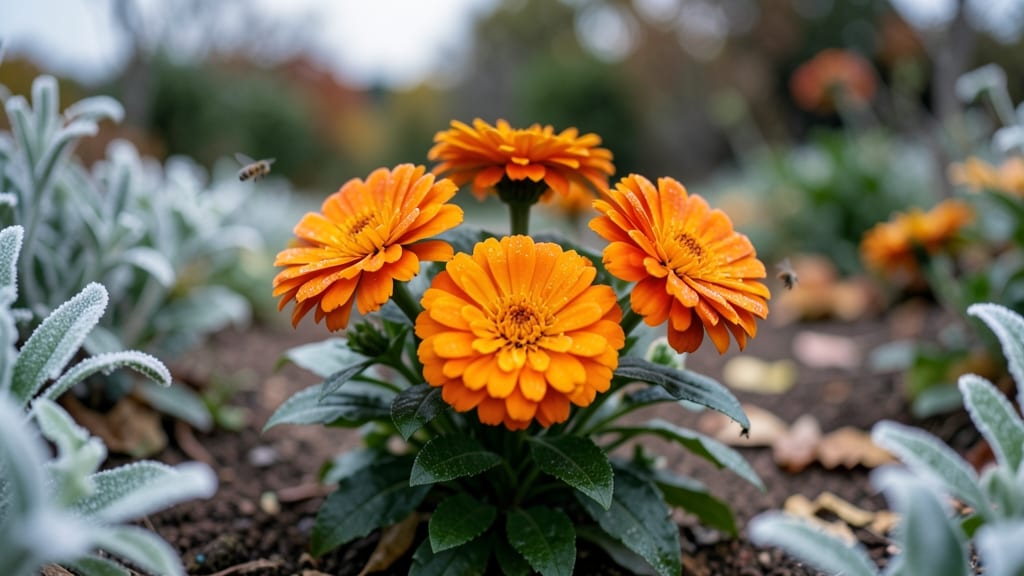
Looking for a flower that works hard for your garden while adding beauty? Calendula delivers with its bright orange blooms that repel pests, attract pollinators, and even serve as edible medicine—all while thriving in late-season conditions.
These cheerful annuals tolerate light frosts and bloom prolifically in full sun to partial shade. Deadhead spent blooms to encourage more flowers, and harvest petals for homemade salves or infusions. Calendula also self-seeds readily, making it a low-maintenance addition to cottage gardens or medicinal herb patches.
Perfect for gardeners who want functional beauty, calendula's dual role as both pollinator magnet and pest deterrent makes it a standout for November gardens. 🌻
Dianthus: Lace-Cap Petals for Containers
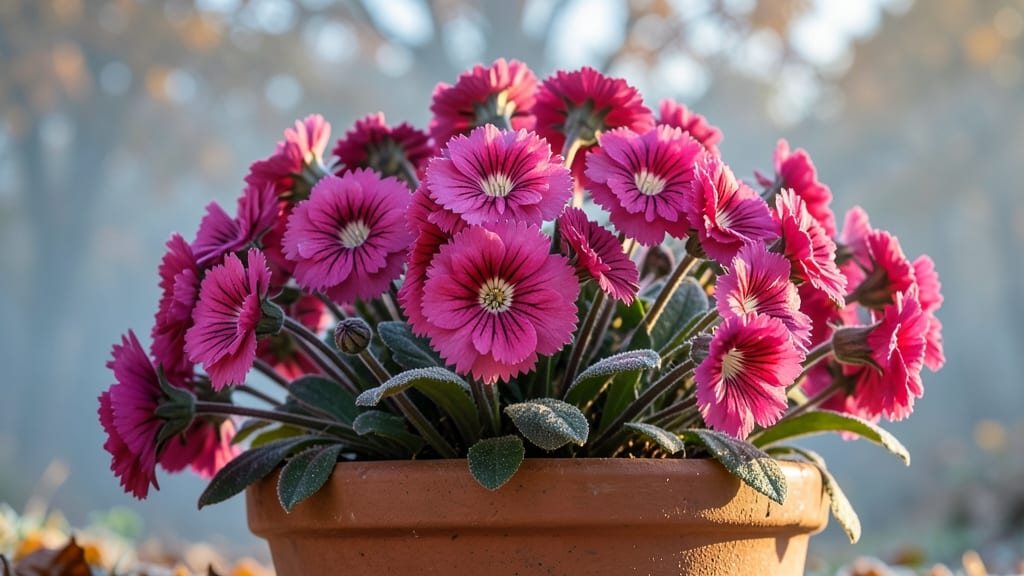
Looking for a container-friendly flower that defies autumn’s chill with a fragrant punch? Dianthus delivers lace-cap petals in vibrant magenta hues that thrive in cool weather—even when temperatures dip below freezing.
The 'Firewitch' series stands out for its long-lasting blooms (weeks in containers) and clove-like scent that lingers in crisp air. Plant in well-draining soil with 6 hours of sun and water sparingly—these drought-tolerant beauties reward you with bold color until the first hard frost. Perfect for patios, balconies, or windowsills where other flowers fade.
Urban gardeners and small-space enthusiasts will love how dianthus brightens containers without demanding constant care. Pair with evergreen shrubs for a winter-ready display that keeps your outdoor spaces lively until spring. 🌻
Violas: Miniature Pollinator Magnets
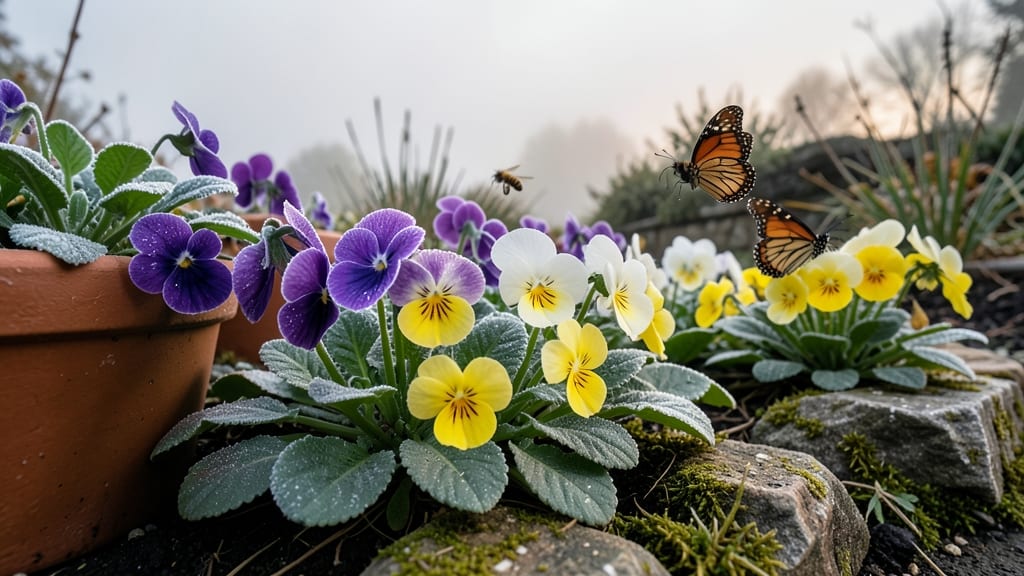
When you think of late-season pollinators, don’t overlook violas—these tiny powerhouses thrive in November chill and pack a double punch. Their delicate blooms not only survive light frosts but also lure bees and butterflies when few other flowers remain in bloom.
Violas shine in containers, rock gardens, or urban planters, making them perfect for small spaces. Choose cold-hardy varieties like 'Johnny Jump Up' or 'Cornwallis Giant' for larger blooms that resist wind. Their edible petals add a peppery zing to salads, while their vibrant colors brighten fall tablescapes.
Urban gardeners and balcony growers will love how violas multiply effortlessly—just snip spent blooms to encourage more flowers. Plant them in partial shade for extended blooming, and watch your garden become a buzzing hub even as winter approaches. 🌱
Cyclamen: Woodland Floor Jewels
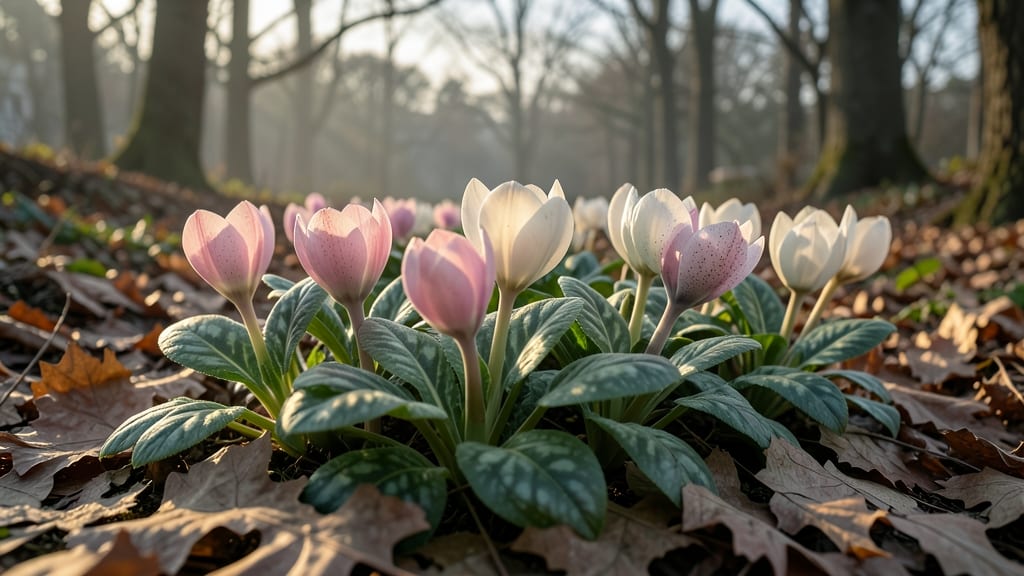
When your garden feels like it’s winding down for winter, cyclamen step in as delicate, late-season stars that thrive where others fade. These woodland darlings bloom in cool autumn temperatures and naturalize effortlessly under trees, turning shaded corners into enchanting displays of pink, white, or purple flowers.
Plant cyclamen in well-draining, slightly acidic soil with partial to full shade, mimicking their native woodland habitat. Their heart-shaped leaves and upward-facing blooms create a whimsical carpet that lasts from late fall through winter—perfect for gardeners craving color in November when most flowers have retired. Mulch lightly to protect roots from temperature swings and water sparingly, as they prefer moist but not soggy conditions.
Shade gardeners and woodland enthusiasts will love how cyclamen fill gaps where few other flowers dare to bloom. Their low-maintenance nature and striking appearance make them ideal for naturalizing under deciduous trees or along forest edges. 🌿
Stock: Tall Fragrant Spikes
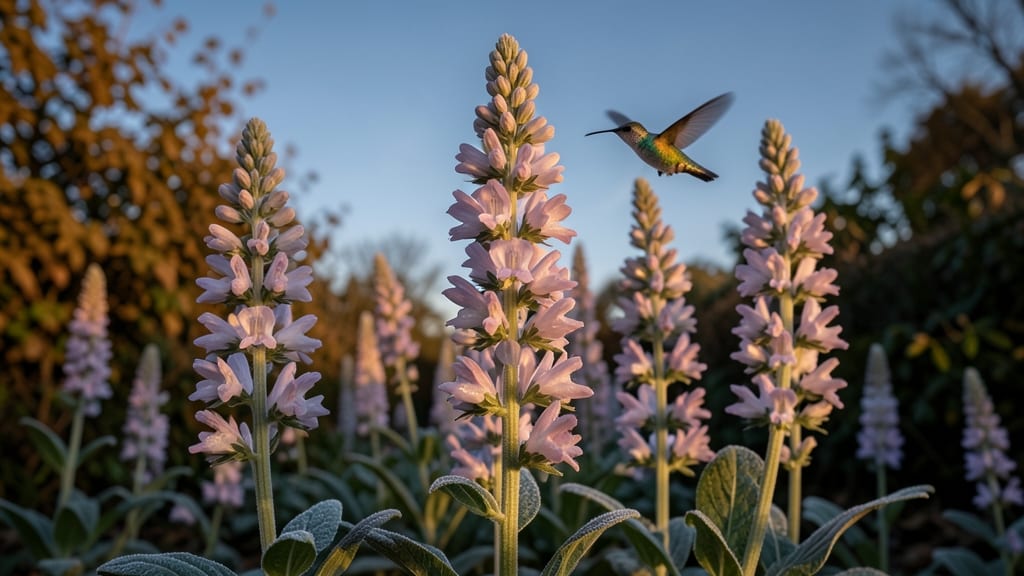
When late-season hummingbirds are fueling up for their migration, stock flowers stand tall with fragrant spikes that reach 3 feet high—a late-blooming lifeline for both gardeners and pollinators. These cool-climate champions thrive where many flowers fade, offering a sweet vanilla or honey scent that fills the air as temperatures dip.
Plant stock in well-drained soil with full sun to partial shade, and deadhead spent blooms to encourage more flowers. Varieties like Matthiola longipetala (garden stock) produce clusters of pink, purple, or white blooms perfect for cutting gardens. Their drought tolerance once established makes them low-maintenance stars for borders or containers.
Perfect for gardeners in USDA Zones 3-10, stock extends your blooming season and adds vertical interest. Urban gardeners with small spaces will love their compact growth habits, while rural plots benefit from their ability to attract hummingbirds when few other flowers remain. 🌻
Hellebores: Evergreen Winter Bloomers
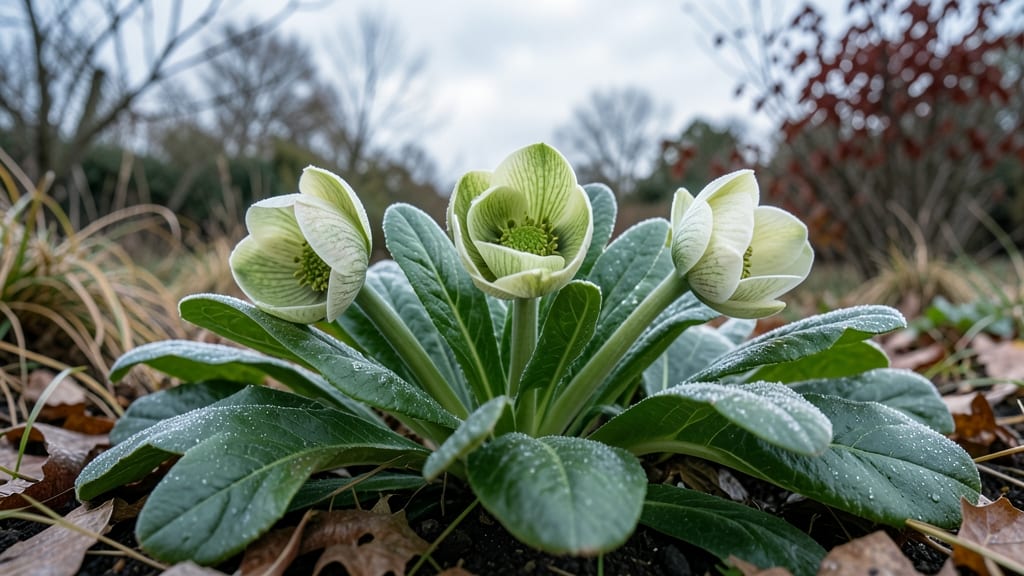
When your garden seems to fade into winter dormancy, hellebores step in as quiet rebels—blooming in late autumn and winter when most plants have called it quits. These evergreen perennials, often called 'Christmas roses', thrive in shade and even tolerate light frosts, making them the unsung heroes of dark garden corners.
Plant them in partial to full shade with well-draining soil, and they’ll reward you with delicate, nodding flowers in shades of white, pink, purple, or green. Deadhead spent blooms to encourage more flowers, and mulch heavily in winter to protect their roots. Their year-round foliage adds structure even when flowers aren’t in bloom.
Perfect for gardeners with shady spots or those who love low-maintenance plants, hellebores bring life to winter landscapes without demanding much in return. 🌿
Winter Aconite: Golden Sunburst Flowers

When most gardens fade into dormancy, winter aconite (Eranthis hyemalis) bursts onto the scene with cheerful golden-yellow blooms as early as November. This tiny but mighty bulb thrives in full sun to partial shade, making it the perfect understory plant for sunny borders where few other flowers dare to bloom.
Plant bulbs 2-3 inches deep in well-draining soil in early fall for year-round naturalization—they’ll spread over time, creating carpets of sunshine in grassy meadows or woodland edges. Unlike many winter bloomers, winter aconite handles light frost beautifully and even tolerates snow, giving you vibrant color when most gardens are gray. Its delicate, cup-shaped flowers appear before leaves emerge, offering a rare early-season show.
Perfect for cottage gardens, rockeries, or as a striking contrast to evergreens, winter aconite requires almost no maintenance once established. Urban gardeners with small spaces will love its compact size and ability to brighten shady corners. 🌟