
Blooming
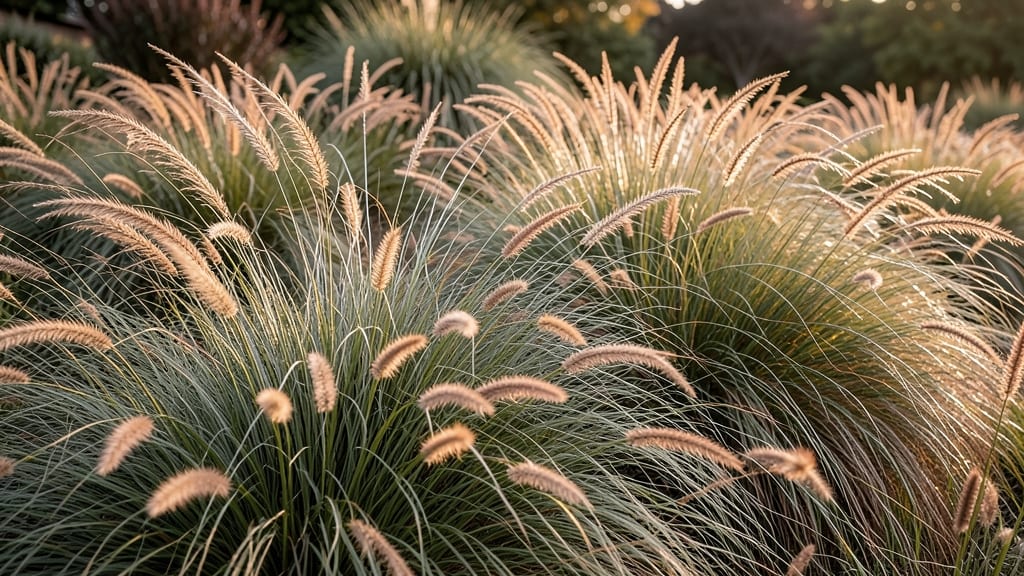
September brings a stunning second wave of color to gardens before winter arrives. These 10 late-blooming flowers extend your seasonal interest, attract pollinators, and create effortless fall focal points that rival spring blooms.
Goldenrod for Pollinator Paradise
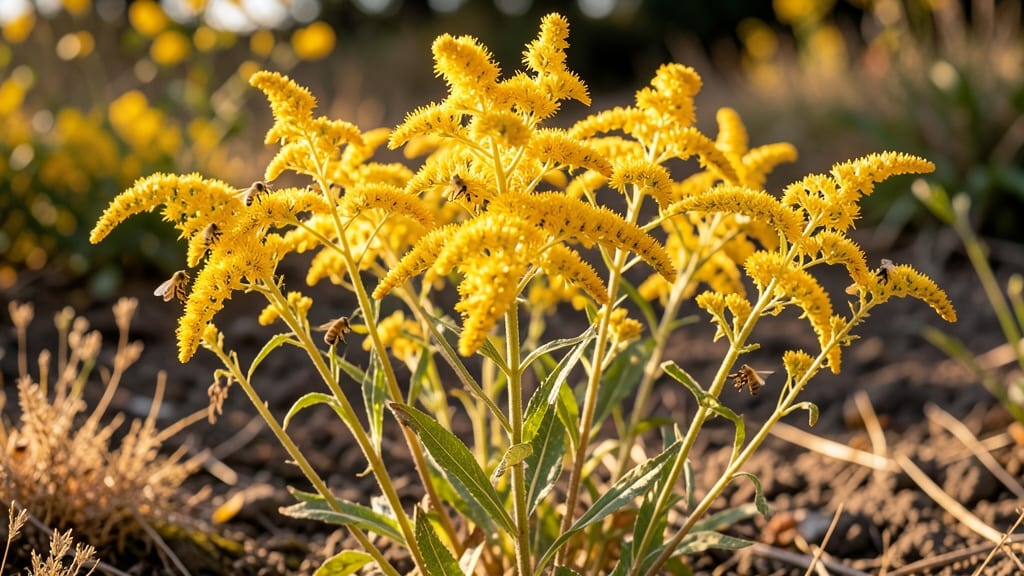
When most summer blooms have faded by September, goldenrod steps in as a pollinator powerhouse, offering bright yellow plumes that bees and butterflies can't resist. This hardy native plant thrives in dry conditions and even improves soil health over time.
Plant goldenrod in full sun to partial shade, where it self-seeds easily for natural meadows or cottage garden charm. Its drought-tolerant nature makes it perfect for low-water landscapes, while its late-season blooms provide critical nectar when food sources dwindle. Deadhead spent blooms to prolong flowering.
Perfect for pollinator gardens, goldenrod's cheerful blooms bring life to late-season landscapes while requiring minimal care. 🌻
Asters for Late-Season Color
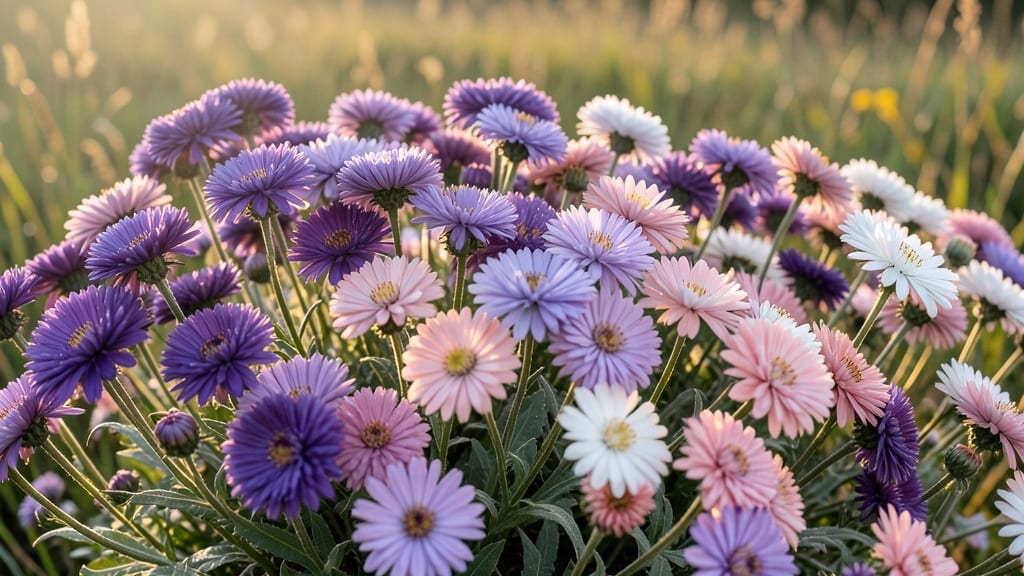
When summer blooms start fading, asters step in as nature's unsung heroes—bursting with color just as temperatures dip. These cool-weather champions thrive when many other flowers call it quits, offering daisy-like blooms in shades of purple, pink, and white that last from late summer through October.
Plant them in full sun to partial shade and watch them reward you with long-lasting cut flowers that hold their shape in vases for nearly a week. Asters also double as pollinator magnets, attracting bees, butterflies, and even hummingbirds during their peak foraging season. For best results, deadhead spent blooms to encourage more flowers and divide clumps every 3-4 years to keep them vigorous.
These hardy perennials are ideal for beginner gardeners and busy pollinator enthusiasts alike—just give them well-draining soil and consistent moisture. 🌻
Japanese Anemones for Dramatic Height
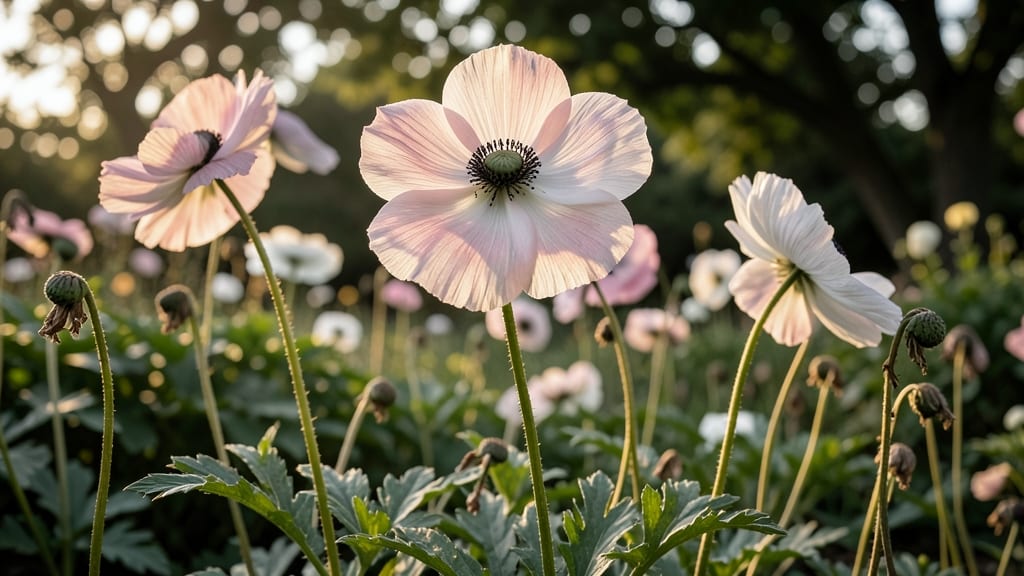
When your garden starts to fade in late summer, Japanese anemones step in as dramatic stars with their pink or white, papery blooms that dance on tall stems. These perennials thrive when others are winding down, offering a burst of color from August through October—perfect for adding height and elegance to shade gardens or mixed borders.
Plant them in partial to full shade where other flowers may struggle, and enjoy their 3-4 foot height that lifts spirits without requiring staking. Deadhead spent blooms to encourage more flowers, and they’ll reward you with low-maintenance beauty year after year. Their dark green foliage also provides a striking contrast to lighter blooms.
Shade gardeners and those with limited sun will love how these anemones thrive where others fail, making them the unsung hero of late-season gardens. 🌷
Black-Eyed Susans for Sun-Loving Gardens
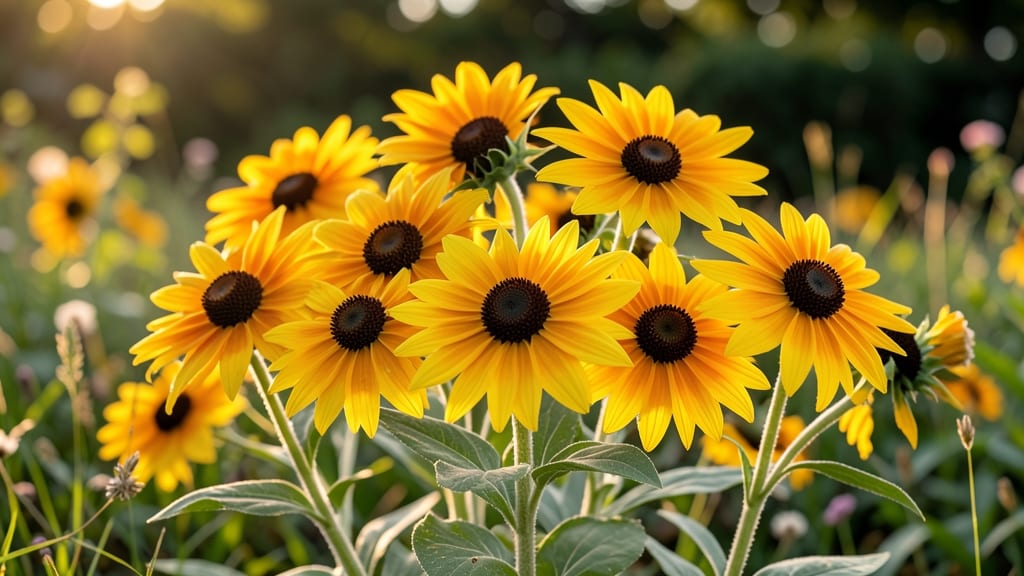
When your garden needs a burst of sunshine-yellow cheer in September, Black-Eyed Susans (Rudbeckia hirta) deliver with their bold, long-lasting blooms that outshine fading summer flowers. These hardy perennials thrive in full sun (6+ hours daily) and even tolerate drought once established, making them ideal for low-maintenance beds.
Plant them in prairie-style drifts for a natural meadow look or tuck them into containers for patio pops of color. Deadhead spent blooms to encourage more flowers, and watch them attract bees and butterflies. The dark brown "eyes" of each bloom add striking contrast, while their late-season blooming (August through October) keeps your garden vibrant well into fall.
Perfect for beginners or busy gardeners, Black-Eyed Susans bring effortless beauty with minimal fuss—just add sun and water occasionally. 🌻
Mums for Classic Fall Beauty
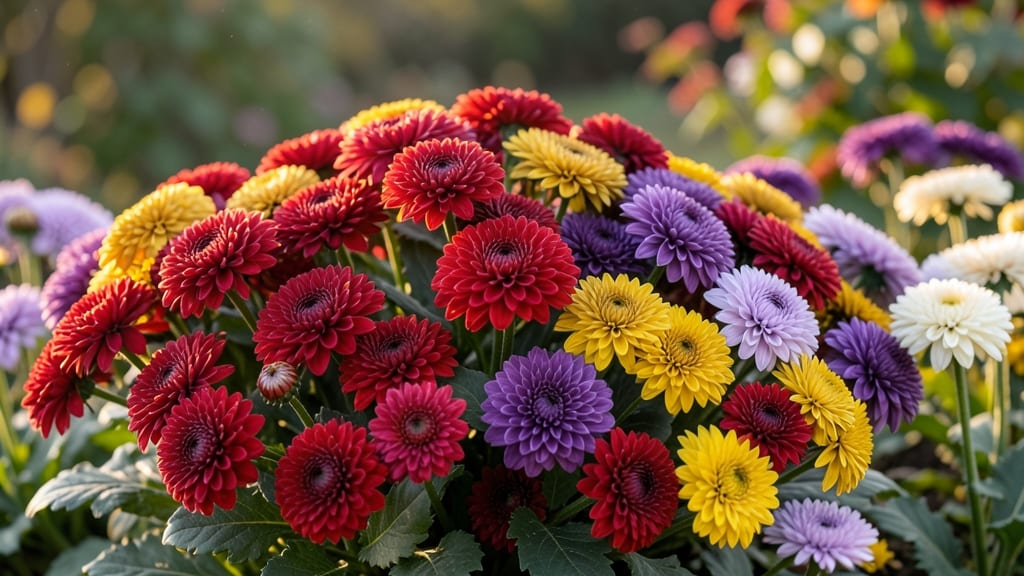
When you want instant fall color that lasts well into October, chrysanthemums (mums) are the undisputed stars of the season. These compact, cheerful blooms come in every hue—from fiery reds to deep purples—and thrive when most other flowers have faded.
Choose between annual mums for bold, one-season displays or hardy perennial varieties like 'Mumford' or 'Beaujolais' that return year after year. Plant them in full sun to partial shade and deadhead spent blooms to encourage more flowers. Their compact size makes them ideal for window boxes, hanging baskets, or massed borders, while their long stems make them perfect for cutting arrangements.
Mums are especially forgiving for beginners—they tolerate cooler temperatures and even light frosts, making them the easiest way to extend your garden's season. 🌻
Sedum for Drought-Proof Elegance
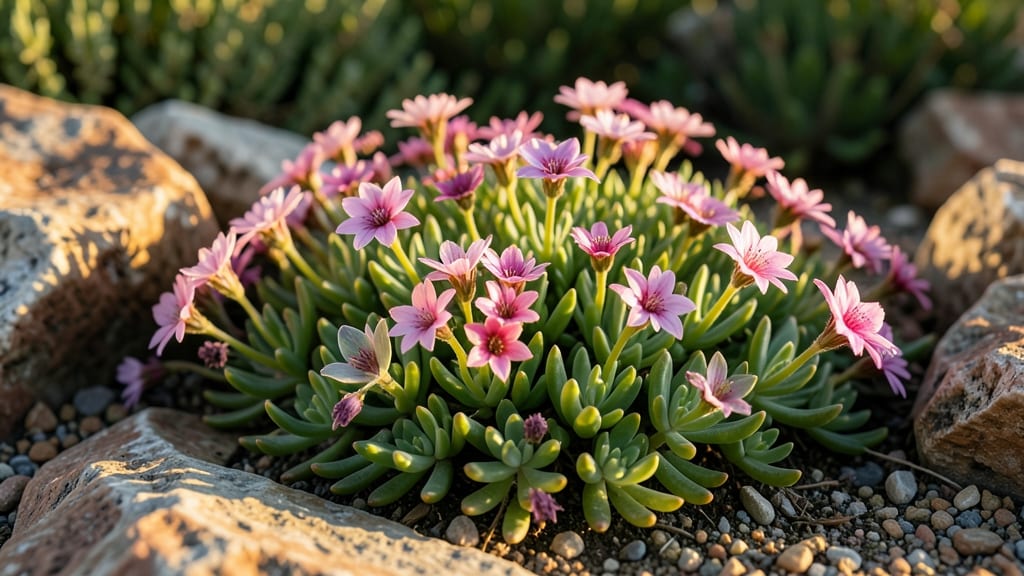
Skip the fuss of finicky plants—sedum delivers star-shaped blooms and succulent-like foliage while thriving in conditions that would kill most flowers. This drought-proof powerhouse loves poor soil, rock gardens, and even green roofs, making it the ultimate low-maintenance star for September gardens.
With over 400 varieties, you’ll find options like 'Autumn Joy' (pink clusters) or 'Angelina' (golden foliage) that bloom from late summer through fall. Plant in full sun to partial shade, water sparingly (they hate soggy roots), and watch them spread effortlessly. Their pollinator-friendly flowers also attract bees and butterflies when other blooms have faded.
Perfect for urban gardeners, rooftop planters, or anyone tired of high-maintenance perennials, sedum proves beauty doesn’t require babying. 🌟
Russian Sage for Fragrant Height
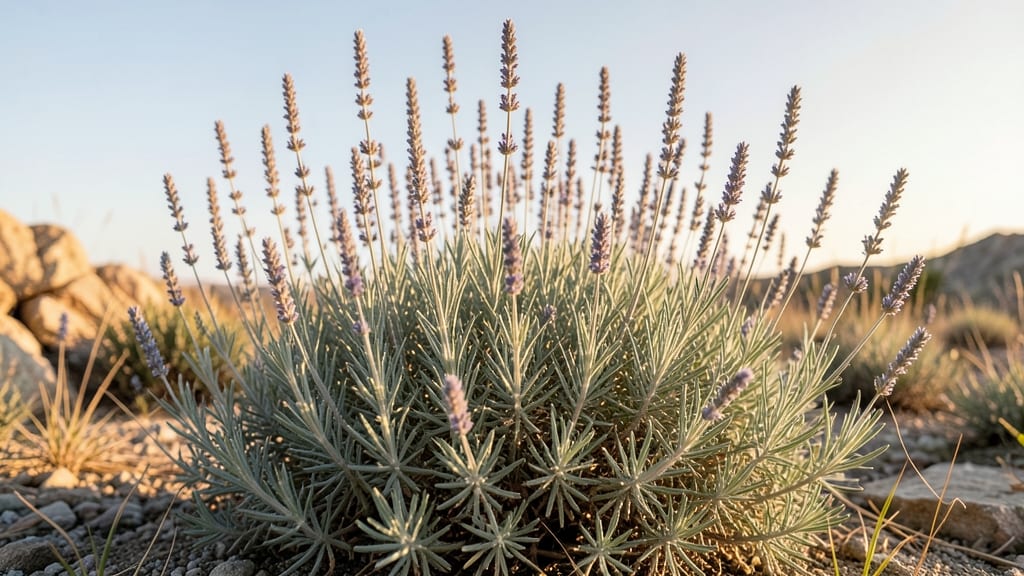
If you're craving a fragrant late-season plant that adds vertical drama without the fuss, Russian sage (Perovskia atriplicifolia) is your secret weapon. This drought-tolerant beauty thrives in full sun to partial shade, making it ideal for hot, dry climates where other perennials struggle.
Its silvery-green foliage provides striking contrast, while the lavender-blue flower spikes bloom from mid-summer through fall, attracting bees and butterflies when food sources are scarce. Plant it at the back of borders or in prairie gardens—it grows 3-5 feet tall and self-seeds minimally, ensuring years of effortless blooms.
Perfect for pollinator gardens and low-maintenance landscapes, Russian sage pairs beautifully with asters and sedum for a cohesive fall display. 🌿
Cockscomb for Bold Textures
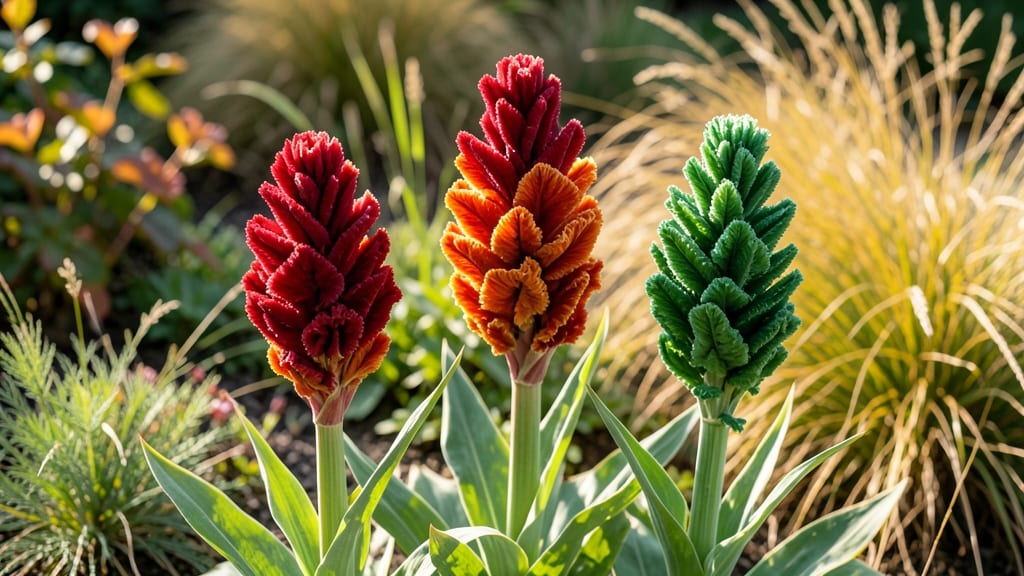
Looking to add a touch of whimsy and bold contrast to your September garden? Cockscomb (Celosia argentea) delivers with its striking, velvety blooms that resemble an exotic rooster's comb—available in deep reds, fiery oranges, or even lush greens.
These annuals thrive in full sun to partial shade and prefer well-draining soil, making them ideal for containers, cottage gardens, or mixed beds. Deadhead spent blooms to encourage prolonged flowering, and pinch back young plants for bushier growth. Their unique texture creates instant visual interest that pairs beautifully with asters or mums.
Perfect for gardeners who love conversation-starting plants, cockscomb also attracts hummingbirds and butterflies—adding both beauty and pollinator benefits to your late-season garden. 🌻
Goldenrod for Butterflies
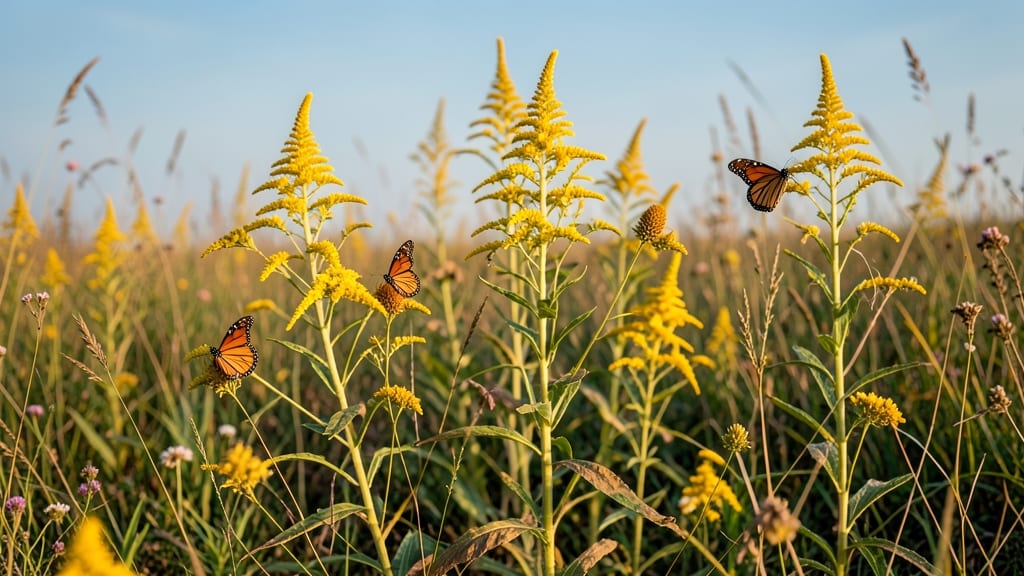
If monarch butterflies are your top pollinator priority, native goldenrod varieties like Solidago canadensis and Solidago rigida are your late-season superstars. These plants provide essential nectar when most flowers have faded, fueling migration and supporting declining butterfly populations.
Plant goldenrod in full sun with well-drained soil, and watch as butterflies flock to its bright yellow plumes from August through October. For maximum impact, pair it with asters and Russian sage to create a pollinator buffet. Deadhead spent blooms to encourage a second flush of flowers.
This is the perfect choice for wildlife gardeners, meadow creators, or anyone who wants to make a difference for monarchs. 🌻
Ornamental Grasses for Movement

When your September blooms begin to fade, ornamental grasses step in as the unsung heroes of late-season gardens. Their delicate plumes sway with the breeze, adding dynamic movement and texture to modern landscapes—no blooms required.
Varieties like fountain grass (with its cascading plumes) or switchgrass (with its upright, feathery spikes) thrive in drought conditions and full sun, making them ideal for low-maintenance borders. Plant them in clusters for maximum visual impact, or use them as striking accents alongside late-blooming flowers like asters or mums.
These grasses bring structure and year-round interest, even after flowers have faded. Perfect for urban gardeners or anyone craving a modern, minimalist aesthetic with zero fuss. 🌻