
Flowers
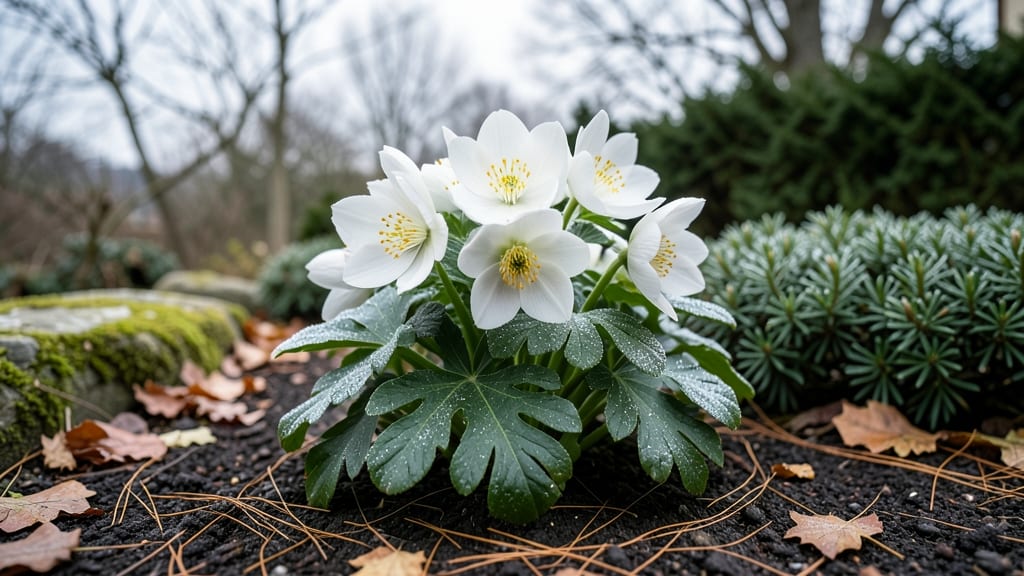
Winter-blooming flowers outside can turn a frosty yard into a burst of color when most gardens sleep.
Picture this: snowflakes dusting delicate petals while hardy blooms defy the chill. You don’t need a greenhouse—just the right plants to keep your garden vibrant all season long. These cold-resistant stars thrive in USDA Zones 3-7, proving winter gardens aren’t just possible, they’re stunning.
From snowdrops peeking through icy soil to hellebores standing tall against wind, these flowers prove beauty survives winter’s bite. Below, I’ll share the top 10 cold-hardy picks, their care secrets, and how to protect them from frost—so your yard stays lively even when the thermometer drops.
Whether you’re in a snowy climate or just love a challenge, these winter bloomers will keep your garden alive with color, proving that cold seasons can be just as bright as summer.
Top 10 cold-hardy flowers that bloom in winter outside
Winter doesn’t have to mean a blank canvas in your garden. With the right cold-hardy flowers, you can enjoy vibrant blooms even when temperatures drop.
These winter-blooming perennials and bulbs are proven to thrive in freezing conditions, adding color and life to your outdoor space when most gardens are dormant.
From USDA Zone 3 to Zone 7, these flowers survive frost and snow, making them perfect for gardeners in colder climates. Whether you're looking for early winter blooms or flowers that keep going until spring, this curated list has everything you need to create a stunning winter garden.
Key factors like sunlight needs, soil conditions, and frost tolerance will determine which flowers work best in your yard. Most of these beauties prefer full sun to partial shade and well-draining soil, but a few can handle shadier spots or wetter conditions. Let’s dive into the top 10 cold-hardy flowers that will keep your garden lively all winter long.
| Flower Name | USDA Zones | Bloom Time | Sunlight Needs | Special Notes |
|---|---|---|---|---|
| Hellebore (Lenten Rose) | 3-9 | Late winter to early spring | Partial shade | Tolerates frost; shade-loving |
| Snowdrop (Galanthus) | 3-10 | January to March | Full sun to partial shade | One of the first flowers to bloom |
| Winter Aconite (Eranthis hyemalis) | 4-8 | Late winter | Full sun to partial shade | Bright yellow blooms; deer-resistant |
| Crocus (Fall-Blooming) | 3-8 | December to February | Full sun | Naturalizes well; great for borders |
| Pansy (Viola) | 5-10 | Fall to early spring | Full sun to partial shade | Edible flowers; cold-tolerant |
| Christmas Rose (Helleborus niger) | 4-8 | December to February | Partial shade | Classic winter bloomer; evergreen foliage |
| Winter Jasmine (Jasminum nudiflorum) | 5-9 | Late winter to early spring | Full sun | Bright yellow flowers; great for trellises |
| Daffodil (Narcissus) | 3-10 | February to April | Full sun | Deer-resistant; classic spring bulb |
| Sweet Box (Sarcococca) | 7-9 | Winter to early spring | Partial shade | Fragrant flowers; evergreen shrub |
How to choose and plant winter-blooming flowers for maximum impactSelecting the right winter-blooming flowers starts with understanding your USDA hardiness zone. Most cold-hardy varieties thrive in zones 3-7, but always check specific plant labels. For example, Hellebores and Snowdrops are excellent for zones 4-9, while Winter Aconite prefers zones 3-8. Matching flowers to your climate ensures they survive frost and still bloom beautifully. Before planting, prepare your soil by amending it with organic matter like compost or well-rotted manure. Winter-blooming flowers often prefer well-draining soil to prevent root rot during wet winter months. A soil test can help identify if your garden needs additional phosphorus or potassium to support robust growth and vibrant blooms. Step-by-Step Guide to Planting Winter-Blooming Flowers
After planting, monitor your winter flowers for signs of stress, such as yellowing leaves or wilting blooms. These can indicate overwatering, underwatering, or poor drainage. Adjust your care routine by watering only when the top inch of soil is dry, and avoid heavy watering before frost to prevent root damage. To extend the blooming season, deadhead spent flowers regularly, but leave some seed heads for winter interest. Winter Pansies and Violas are particularly resilient and will continue blooming if protected from harsh winds. Grouping plants with similar water and sunlight needs creates a cohesive look and simplifies care. Consider adding evergreen foliage like Boxwood or Holly alongside your winter flowers to provide year-round structure. This creates a layered garden that remains visually appealing even when flowers aren’t in bloom. With the right selection and care, your winter garden can be just as stunning as your spring or summer displays. |