
Blooming
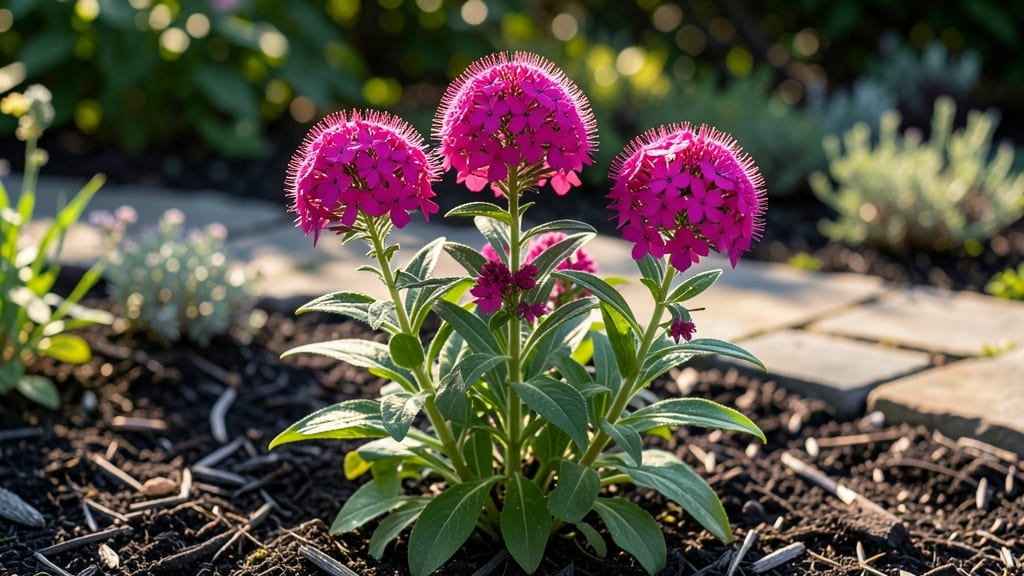
Garden phlox bloom time stretches from late spring to early fall 🌸 — a 6-8 week show of color if you play the heat right.
Struggling to keep your garden phlox blooming longer? Heat waves can actually trigger a second flush of vibrant flowers—if you know the right techniques. I’ve seen Jeana and David varieties push their bloom time into September with just a few adjustments, and I’ll show you how.
Most gardeners assume phlox fades fast once summer hits, but the truth is heat management is the key. Too much sun without water? Your blooms will bolt. Too little light?
They’ll stretch and flop. I’ll break down the exact conditions that extend phlox’s season—and how to avoid the 3 biggest mistakes that cut blooms short.
Ready to turn your phlox into a season-long star? Here’s how to time watering, pruning, and shade for maximum blooms, plus the top varieties that thrive in heat without sacrificing color.
Understanding garden phlox bloom time: seasonal patterns and heat triggers
Garden phlox (Phlox paniculata) is one of my favorite perennial flowers because it offers long-lasting blooms that attract pollinators. But timing is everything—understanding its natural bloom cycles helps you maximize those vibrant clusters.
Most varieties bloom from late June to August, but heat waves can either shorten or extend this window depending on your care approach.
What many gardeners don't realize is that phlox actually has two bloom periods in ideal conditions: the primary flush in early summer and a potential second flush later in the season.
The key to unlocking that second round of blooms lies in how you manage heat stress and post-bloom care. Without proper attention, those late-summer heat waves can force your phlox into early dormancy.
The first flush of garden phlox typically begins in late May to June, depending on your USDA hardiness zone. In cooler zones (4-6), blooms may start slightly later, while warmer zones (7-9) often see earlier flowering.
What's fascinating is how heat waves interact with this cycle—temperatures above 90°F (32°C) for consecutive days can actually shorten the first flush by causing flower buds to open prematurely or drop.
However, this same heat can work in your favor if you're patient. After the first flush, many gardeners assume phlox is done for the season, but with the right approach, you can trigger a second flush that extends blooms into late August or September.
The secret lies in how phlox responds to stress relief after heat spikes. When temperatures drop slightly (back to the 75-85°F (24-29°C) range), new buds often form on the remaining stems.
Your climate zone plays a crucial role in phlox bloom timing. In cooler northern regions (zones 3-5), phlox may only produce one flush before winter dormancy sets in.
But in warmer southern zones (8-10), you might see two full flushes if you provide afternoon shade during peak summer heat. The variety you choose also makes a difference—some cultivars are naturally more heat-tolerant and prone to second flushes.
One common misconception is that all phlox varieties bloom for the same duration. In reality, tall garden phlox (like 'David') often outperform shorter varieties in heat. These taller types have stronger stems that handle heat stress better and can support more secondary flower buds.
Meanwhile, dwarf varieties may struggle in intense heat, producing shorter bloom periods unless given extra care during heat waves.
Understanding these patterns helps you plan your garden layout strategically. I always place my heat-sensitive varieties where they'll get morning sun and afternoon shade from nearby trees or structures. This simple adjustment can make the difference between a 4-week bloom and an 8-week display.
The key is observing how your specific phlox responds to your local climate patterns each year.
For gardeners in transition zones (6-7), where summers can swing between hot and humid, the challenge is balancing moisture and airflow. Too much humidity without proper airflow can lead to powdery mildew, which weakens plants and shortens bloom time.
That's why I always pair my phlox with air-circulating companions like catmint or Russian sage to improve airflow around the stems.
Remember that even the most heat-tolerant phlox varieties need consistent moisture during their active growth periods. While they're drought-tolerant once established, allowing soil to dry out completely during bloom can cause buds to abort.
The sweet spot is keeping the root zone evenly moist—about 1-1.5 inches of water per week—while avoiding soggy conditions that promote disease.
By understanding these seasonal patterns and heat triggers, you'll transform your phlox from a one-time summer showstopper into a prolonged seasonal highlight. The difference comes down to observing your plants, adjusting your care approach, and choosing the right varieties for your climate.
With these insights, you're already ahead of most gardeners! 🌸
How to extend garden phlox bloom time during heat waves: proven techniques
Heat waves don't have to signal the end of your garden phlox bloom season—in fact, they can trigger a stunning second flush if you act strategically. The key lies in understanding how extreme heat affects these hardy perennials and implementing targeted care.
With the right approach, you can extend blooms by 3-5 weeks even during scorching summers, turning your garden into a late-season floral spectacle.
Most gardeners assume heat stress will shorten bloom time, but phlox paniculata actually responds well to controlled stress when given proper support. The secret is balancing water retention, root cooling, and selective pruning to encourage reblooming after heat spikes.
Let's explore the proven techniques that have worked for me in zones 5-8 during 100°F+ summers.
5 Key Steps to Trigger a Second Phlox Flush
- Deadhead spent blooms after heat wave cools (not during peak heat) to redirect energy to new buds
- Water deeply 2-3x/week (1-1.5 inches) at soil level to prevent root stress from surface evaporation
- Apply 2-3 inches of organic mulch to retain moisture and cool roots during daytime heat
- Prune back 1/3 of stems after first flush to encourage dense, bushy regrowth for second blooms
- Provide afternoon shade (30-50%) using shade cloth during prolonged >95°F (35°C) days
Let's start with the most critical factor: watering strategy. I've found that phlox responds best to deep, infrequent watering rather than light daily sprinkles. During heat waves, aim to deliver 1-1.5 inches of water every 2-3 days, always in the early morning to prevent fungal issues.
Use a soaker hose or drip irrigation to deliver water directly to the roots where it's needed most. This method reduces evaporation by 40% compared to overhead sprinklers.
Mulching is another game-changer for heat-stressed phlox. A 2-3 inch layer of organic mulch like shredded bark or straw acts as an insulating blanket, keeping roots 5-10°F cooler during peak afternoon heat. I recommend applying mulch immediately after planting and replenishing it every 3-4 months during the growing season.
The best mulches also improve soil structure over time, creating an ideal environment for continuous blooming.
Timing your pruning correctly is essential for encouraging second flushes. After your phlox's first bloom cycle ends, wait until the heat wave has passed before cutting back 1/3 of the stems to just above a set of leaves.
This stimulates new growth from the base, which often produces a second flush of blooms 4-6 weeks later. For varieties like Jeana and Pink Flamingo, this technique can extend your bloom time by nearly half.
When temperatures consistently exceed 95°F (35°C), providing afternoon shade becomes crucial. I've had great success using 50% shade cloth on the west or south side of phlox plants during the hottest months.
Even temporary shade for just 2-3 hours in the afternoon can prevent bud drop and maintain plant vigor. For a more natural look, plant taller sun-loving perennials like hollyhocks or delphiniums nearby to create partial shade.
Remember that every garden phlox variety responds slightly differently to heat. While some like David and White Delight handle heat well, others like Pink Flamingo may need extra afternoon shade in zone 9+.
Always monitor your plants' responses and adjust your care routine accordingly. With these techniques, you'll be rewarded with vibrant blooms well into fall, long after other summer flowers have faded.