
Blooming
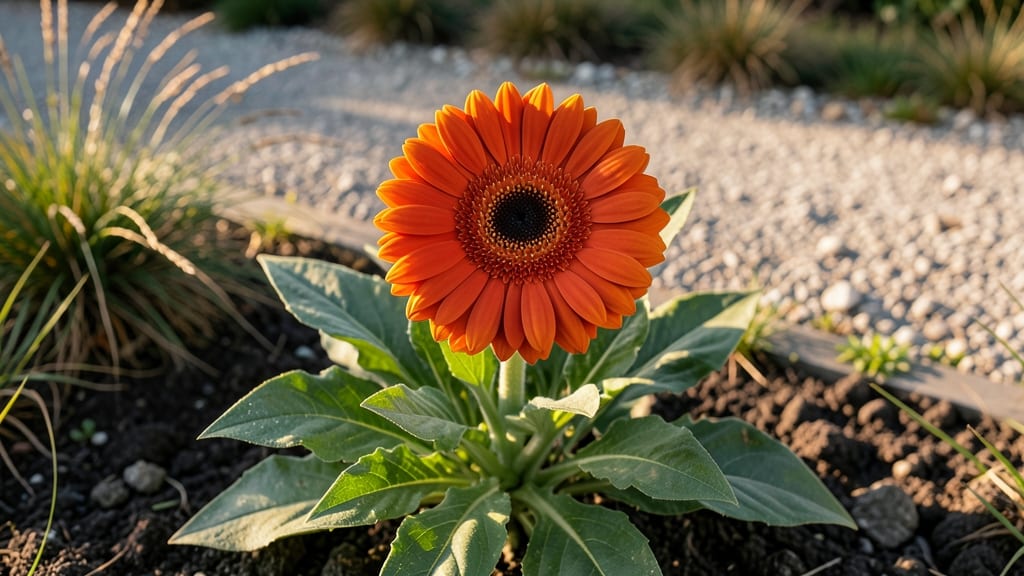
Gerbera daisies bloom when days stretch long and temperatures rise—typically from late spring through fall in most temperate zones. 🌻 I remember the first time I noticed my gerberas bursting into color after a warm May rain, their vibrant petals signaling summer's arrival.
These cheerful flowers thrive in heat but need consistent moisture to keep blooming. The secret to prolonged flowering lies in even moisture and bright light—they'll reward you with nonstop blooms if you keep the soil damp but not soggy.
In hotter climates, they might even rebloom in late summer if given afternoon shade. My gerberas in zone 7 still produce flowers until October if I deadhead spent blooms regularly. What you'll end up with is a garden bed that stays colorful for months, not just a few weeks.
The key is watching for those first buds in spring and giving them the right conditions to keep going. With proper care, you can extend their season by weeks—sometimes even months. Works beautifully in containers, garden beds, or as cut flowers. Here's how to keep them blooming all season long!
📚 In This Guide
- What you need
- Instructions
- Tips and common mistakes
- Wrapping up and next steps
What you need
- ● Gerbera daisy plants: 3–5 mature, healthy plants (choose varieties like 'Annette,' 'Maya,' or 'Red Orbit' for best heat response).
- ● Well-draining potting mix: 10–15 lbs of a blend with perlite or sand (e.g., 60% peat moss, 20% vermiculite, 20% coarse sand).
- ● Containers: 2–3 pots (10–12 inches in diameter) with drainage holes or a raised garden bed (minimum 6" depth).
- ● Heat mat or grow lights: 1–2 adjustable LED grow lights (full-spectrum, 10,000–20,000 lux) or a heat mat (set to 70–75°F).
- ● Watering can or spray bottle: With a fine rose nozzle for gentle hydration.
- ● Fertilizer: 1 lb of balanced, water-soluble fertilizer (10-10-10 or 20-20-20) or slow-release granules (osmocote).
- ● Pruning shears: Sharp, sterilized shears for deadheading and trimming.
- ● Thermometer/hygrometer: Digital probe type to monitor soil temp (ideal: 65–80°F).
- ● Mulch: 2–3 inches of straw or pine bark to retain moisture and regulate soil temp.
- ● Growth regulators: 1 bottle of Paclobutrazol (0.1% solution) to promote compact growth in high-heat conditions.
- ● Humidity tray: A shallow tray with pebbles and water to boost humidity (gerberas love 50–60% humidity!).
- ● Automatic timer: For grow lights (12–14 hours/day in winter).
- ● Bloom boosters: 1 packet of calcium nitrate or phosphorus-rich fertilizer to encourage flowering.
How to extend gerbera daisy bloom time with heat triggers
Here's the method I've used to coax vibrant blooms year-round—no greenhouses required.
🌱 Step 1: Identify Your Plant's Dormancy Cues
Gerberas naturally slow down in cooler months, but you can spot their readiness to rebound. Look for new growth at the base—those tight, reddish-brown buds signal the plant's preparing for another bloom cycle. I check mine weekly in late winter, watching for these 1/4-inch shoots that poke through the soil.
If you see mostly bare stems with no fresh growth, your plant may need a 2-3 week heat boost first. Place it near a sunny window or under a grow light for 12+ hours daily until you notice those telltale new shoots. This is your first clue that the plant's metabolic clock is ticking again.
☀️ Step 2: Apply Strategic Heat Triggers
Gerberas bloom best when daytime temps hit 65-75°F—that's their natural trigger. If your home runs cooler, use a seedling heat mat (set to 70°F) under the pot for 8-10 hours daily during their dormant phase. I wrap the mat around the pot's base and secure it with aluminum foil to reflect heat upward.
For evening warmth, move the plant near a south-facing window or use a 25-watt LED bulb on a timer for 4-6 hours after sunset. The key is consistency—fluctuating temps confuse the plant's bloom signals. Watch for leaves perking up within 3-5 days of steady warmth.
💧 Step 3: Adjust Watering for Bloom Prep
During heat treatment, water only when the top 2 inches of soil feel dry. Overwatering now stresses the roots and delays blooming. I use room-temperature water and pour it directly onto the soil—never the leaves—to prevent fungal issues. The goal is to keep the plant hydrated but not soggy.
Here's the thing—gerberas need slightly more phosphorus when prepping for bloom. Mix 1 teaspoon of 10-20-10 fertilizer into the top inch of soil during the heat phase. This gives the roots a phosphorus boost for stronger flower stems. You'll see buds forming within 3-4 weeks if the heat and nutrients align correctly.
⏰ Step 4: Time the Light Exposure Perfectly
Once buds appear, 14-16 hours of bright light daily becomes critical. If your space lacks natural light, supplement with a full-spectrum LED grow light positioned 6-8 inches above the plant. I adjust the height weekly as buds grow—closer light prevents leggy stems.
Rotate the pot a quarter turn every 3 days so all sides get even light. Uneven exposure causes buds to grow toward the light source, creating lopsided blooms. You'll know you've got it right when all buds open simultaneously and stems stand straight.
✂️ Step 5: Deadhead and Maintain for Continuous Blooms
Remove spent blooms by cutting the stem 1/4 inch above the next set of leaves. This redirects the plant's energy to new buds instead of seed production. I do this every 2-3 days during peak bloom—gerberas reward consistent deadheading with nonstop color for months.
After each flush of blooms, give the plant 1 week of reduced fertilizer (half-strength) to rest. This prevents nutrient burnout. I also mist the leaves lightly in the morning to boost humidity—gerberas love it when the air feels like their native 60-70% humidity range.
Tips & tricks for perfect gerbera daisy bloom extensions
These simple adjustments will help you coax vibrant blooms from your gerberas year-round without needing a greenhouse.
Heat Mat Placement: When using the seedling heat mat in Step 2, position it so it wraps completely around the pot's base—not just under one side. This creates even warmth distribution, which prevents uneven growth. I also place a small piece of aluminum foil around the pot's sides to reflect heat upward, creating a mini greenhouse effect that mimics their native tropical environment.
Light Rotation Strategy: In Step 4, when rotating your plant every 3 days, mark the pot's position with a small piece of tape on the windowsill. This helps you maintain consistent orientation and prevents you from accidentally rotating too much. The goal is gradual exposure—just a quarter turn—so all sides receive equal light without shocking the plant's growth direction.
Fertilizer Timing: The 1 teaspoon of 10-20-10 fertilizer mentioned in Step 3 should be mixed into the soil during the first week of your heat treatment. For best results, I dissolve the fertilizer in water first, then water the plant with this mixture. This ensures even distribution without burning the roots, which is especially important since gerberas are sensitive to salt buildup from concentrated fertilizers.
Deadheading Technique: When deadheading in Step 5, use clean, sharp scissors or pruning shears instead of your fingers. Cutting at a 45-degree angle just above a leaf node prevents water from pooling on the stem, which could lead to rot. I also like to deadhead in the morning when the plant is actively photosynthesizing—this helps the plant recover more quickly from the slight stress of pruning.
Pro Tips for Gerbera Daisy Bloom Time
- These simple adjustments will help you coax vibrant blooms from your gerberas year-round without needing a greenhouse.
- Heat Mat Placement: When using the seedling heat mat in Step 2, position it so it wraps completely around the pot's b...
- Light Rotation Strategy: In Step 4, when rotating your plant every 3 days, mark the pot's position with a small piece...
Frequently asked questions
about gerbera daisy bloom time—because even the most eager gardeners need a little clarity! Here are answers to the most common questions, from timing tricks to troubleshooting tips.How do I know when my gerbera daisies are ready to bloom?
Gerbera daisies typically signal readiness with tight, rounded buds that feel firm to the touch. The foliage may also look slightly darker or more vibrant. Heat stress (like a 90°F+ day) often triggers blooms in 4–6 weeks after planting, but cooler weather can delay them. Watch for buds to plump up—that’s your cue!
Can I force gerbera daisies to bloom earlier or later?
Yes! Use heat tricks to speed things up:
For later blooms, plant in early spring (after last frost) or use shade cloth to protect from extreme heat.
Why aren’t my gerbera daisies blooming, even with heat?
Common culprits include:
- Too much nitrogen (focus on balanced fertilizer like 10-10-10).
- Overcrowded roots—gerberas need space (repot if needed!).
- Pests (like aphids or spider mites) draining energy. Spray with neem oil if you spot them.
- Lack of sunlight—they need 6+ hours of direct sun daily.
What’s the best alternative if gerbera daisies bloom too slowly?
If you’re craving fast color, try these heat-loving, quick-blooming alternatives:
Plant
Bloom Time
Heat Tolerance
Zinnias
4–8 weeks
Excellent (thrive in 90°F+)
Marigolds
6–10 weeks
Very high (drought-resistant!)
Cosmos
8–12 weeks
Moderate-high (self-seeds easily)
Will gerbera daisies rebloom after cutting?
To encourage reblooming:
- Cut stems just above a leaf node (not too close to the base).
- Remove spent blooms regularly to redirect energy.
- Fertilize lightly after cutting with a phosphorus-rich feed (like 5-10-5).
Wrapping up and next steps
Understanding your gerbera daisies’ heat-triggered bloom time unlocks the secret to vibrant, year-round color—no guesswork required! By mastering light, temperature, and dormancy tricks, you’ve got the power to coax those cheerful blooms even in cooler months. Now’s your moment to shine!
Ready to put it into action? Start experimenting with a small batch of gerberas—test your newfound knowledge, tweak as needed, and watch your garden transform. Share your blooming wins in the comments or with fellow gardeners—your success might just inspire the next big breakthrough! 🌸✨