
Blooming
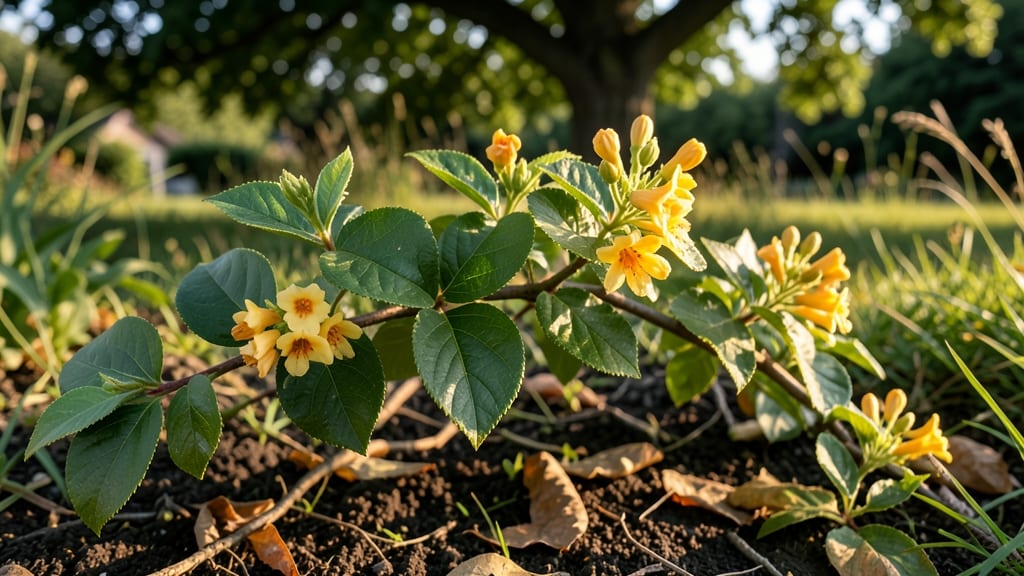
The honeysuckle bloom season is your cue to plan for a garden that smells like summer—whether you're in zone 6 or a warmer climate. Picture this: you walk outside in June, and the air is thick with that sweet, heady perfume, only to realize your vines are still bare.
That’s the heartbreak of missing the window—especially when some varieties, like Lonicera periclymenum, burst into fragrant spikes weeks before others. The good news? With the right timing and care, you can extend that floral show from late spring to early fall.
In this guide, I’ll break down the exact months your 🌸 honeysuckle will bloom based on your climate, plus the simple tweaks (like pruning or sunlight adjustments) that can push those trumpet-shaped flowers into full display—even if your zone runs late.
Ready to turn your garden into a pollinator magnet? Let’s dive into the fragrant schedule that keeps your honeysuckle thriving all season.
Honeysuckle bloom season by USDA climate zones: when to expect fragrant spikes
Honeysuckle's fragrant blooms are one of summer's most beloved sights—but their timing varies dramatically across the U.S. If you're in USDA Zone 3, you'll see flowers in late June, while gardeners in Zone 10 might enjoy them as early as February.
Understanding these variations helps you plan companion plants and maximize your garden's pollinator appeal.
Native varieties like Lonicera sempervirens (trumpet honeysuckle) often bloom 2-4 weeks earlier than hybrids such as 'Belgica' or 'Dolly' honeysuckle. This difference occurs because native species adapt to shorter growing seasons in colder climates, while hybrids prioritize prolonged flowering.
Microclimates—like urban heat islands or coastal breezes—can also shift bloom windows by 10 days or more.
Altitude plays a surprising role too. In mountainous regions (e.g., Colorado's Zone 5), honeysuckle may bloom 3 weeks later than at sea level due to cooler temperatures. Meanwhile, southern gardens in Zone 9 often experience two bloom cycles: one in spring and another in fall.
In Zone 3-4, honeysuckle's bloom season is short but intense, typically lasting just 6-8 weeks. Gardeners here should prioritize early-blooming varieties like 'Serotina', which thrives in cooler climates.
If you're in Zone 5-6, expect a longer display—up to 10 weeks—with peak fragrance in late June to July. This is ideal for cutting gardens or attracting hummingbirds.
Southern gardeners in Zones 7-10 enjoy the longest bloom seasons, often with two distinct cycles. In Zone 9, for example, honeysuckle may bloom in February-March and again in September-October.
This dual display makes it perfect for year-round pollinator support. However, heatwaves above 95°F can stress plants, so provide afternoon shade during peak summer months.
Microclimates create localized exceptions even within zones. A south-facing wall in Zone 6 might push blooms to May instead of June, while a coastal garden in Zone 8
How to extend your honeysuckle bloom season: pruning, variety selection & care tips
Want to enjoy those sweetly scented honeysuckle blooms for weeks longer? The secret lies in a few strategic adjustments to your care routine. Most varieties produce one main bloom cycle, but with the right techniques, you can trigger repeat flowering or even coax earlier blooms.
Let’s dive into the proven methods that work for both woody vines and semi-evergreen climbers.
First, understand that pruning timing is everything. Cutting at the wrong time can remove next year’s flower buds, leaving you with sparse blooms. For spring-blooming varieties, prune immediately after flowering, while late-summer bloomers need a light trim in early spring.
The key is knowing your honeysuckle’s growth habit—some bloom on old wood, others on new growth.
- 1
- 2
- 3
- 4
- 5
If your honeysuckle is skipping blooms entirely, check its growing conditions. These plants thrive in partial shade to full sun—too much shade reduces flowering, while intense afternoon sun can scorch leaves.
Amend heavy clay soil with compost or sand to improve drainage, as waterlogged roots stress the plant and delay blooms.
For early blooms, plant cold-hardy varieties like Lonicera x brownii in late winter. These types often flower as early as late April, giving you weeks of fragrance before other varieties even bud.
Pair them with late-summer bloomers like Lonicera japonica to stretch your bloom season from spring through fall.
Remember: Patience is key. Young honeysuckle plants may take 2-3 years to reach full bloom potential. With the right care, though, your garden can become a year-round fragrant oasis, with honeysuckle spikes appearing in successive waves throughout the growing season. 🌸