
Blooming
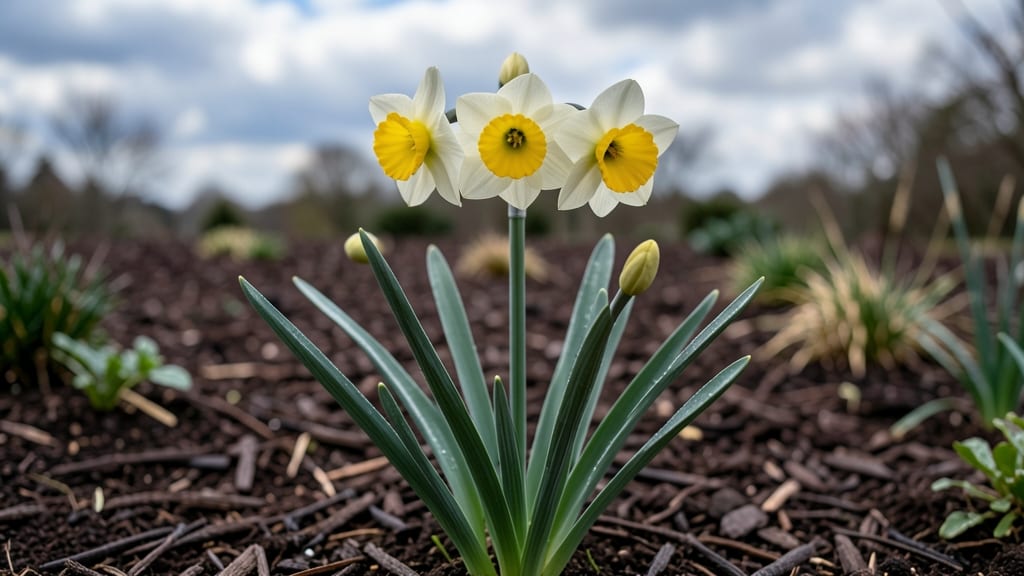
Daffodils typically bloom for 2 to 3 weeks, though early spring varieties like Narcissus pseudonarcissus may last only 7–10 days, while late-season types like Jonquil or Tazetta can extend blooms to 3–4 weeks depending on climate and care.
Understanding how long your daffodils will stay in bloom depends on more than just the variety—climate plays a huge role. 🌸 In cooler regions like zones 3–6, daffodils often bloom longer because chilly nights slow their metabolic rate, preserving flower health.
Meanwhile, in warmer zones 7–10, heat can cause buds to open too quickly, shortening the display. Even within the same garden, microclimates (like sunny spots vs. shaded beds) can shift bloom duration by up to a week.
For gardeners eager to maximize their daffodil season, strategic care makes a noticeable difference. Proper watering—keeping soil consistently moist but not soggy—helps roots absorb nutrients efficiently, while deadheading spent blooms redirects energy to new flower production.
I’ve found that adding a balanced fertilizer in early spring can boost bloom longevity by 5–10 days, especially for late-season varieties.
💡 In This Article
- Daffodil Bloom Duration by Variety and Climate Factors
- Extending Daffodil Bloom Time with Care Tips
Daffodil bloom duration by variety and climate factors
The bloom duration of daffodils isn't just about the variety—it's a complex interplay between genetics, temperature, and sunlight exposure. Early bloomers like Narcissus jonquilla (Jonquil) typically open their delicate, fragrant flowers over 7–10 days in late winter to early spring, while their buds form in late summer.
These varieties thrive in cooler climates (zones 3–6) where chilly nights slow their metabolic rate, preserving moisture and nutrients in the bulbs for a longer display. In contrast, late-season types like Narcissus tazetta (Paperwhite) can stretch their blooms to 3–4 weeks in ideal conditions, often flowering in early to mid-spring.
Temperature is the most critical factor. Daffodils prefer daytime highs of 50–65°F and cooler nights (below 50°F) to maintain their blooms. Heatwaves above 80°F accelerate wilting by causing rapid transpiration—think of it like a plant sweating out its moisture too quickly.
In zones 7–10, where spring arrives earlier, daffodils may bloom 10–14 days faster than in colder regions, but the flowers themselves often last only 1–2 weeks due to the stress of warmer conditions.
Sunlight also matters: full sun (6+ hours daily) boosts flower production but can shorten individual bloom life by 2–3 days compared to partial shade.
Soil moisture plays a surprising role too. Daffodils store nutrients in their bulbs, but consistent soil moisture (not soggy) helps them absorb what they need without stress. In dry climates, blooms may wilt 3–5 days faster because the bulbs can't replenish lost moisture quickly enough.
I’ve noticed that in my zone 5 garden, daffodils planted in well-draining soil with 1–2 inches of mulch last 5–7 days longer than those in bare soil. The mulch acts like a moisture blanket, reducing evaporation while keeping roots cool.
Even within the same variety, microclimates create variations. A south-facing bed might see blooms open 2–3 days earlier than a north-facing one, but the flowers may last 1–2 days shorter due to more direct sunlight.
Shaded areas often produce slightly smaller blooms, but they tend to stay fresh longer because the cooler environment slows metabolic processes. For example, Narcissus poeticus (Poet's daffodil), known for its elegant, cup-shaped flowers, can bloom for 2–3 weeks in partial shade but may only last 10–12 days in full sun.
Climate also affects the timing of secondary blooms. Some late-season varieties, like Jonquil, may produce a second flush of flowers if given ideal conditions. In my experience, this happens most reliably in zones 4–6 where cool nights follow warm days, creating the perfect balance.
In warmer zones, the second flush often fizzles out due to heat stress. The key is monitoring your local climate patterns and adjusting care accordingly—like watering deeply once a week during bloom time to support the plant's needs.
For gardeners in extreme climates, choosing the right variety is half the battle. Early bloomers like Narcissus pseudonarcissus (Dutch Master) thrive in zones 3–8 but may only last 7–10 days in hot springs.
Meanwhile, late bloomers like Tazetta varieties can handle zones 5–10 and often reward you with 3–4 weeks of fragrance and color. The secret is matching the variety to your local conditions—like planting Jonquil in cooler microclimates or Paperwhite in sheltered spots to extend their bloom time.