
How To
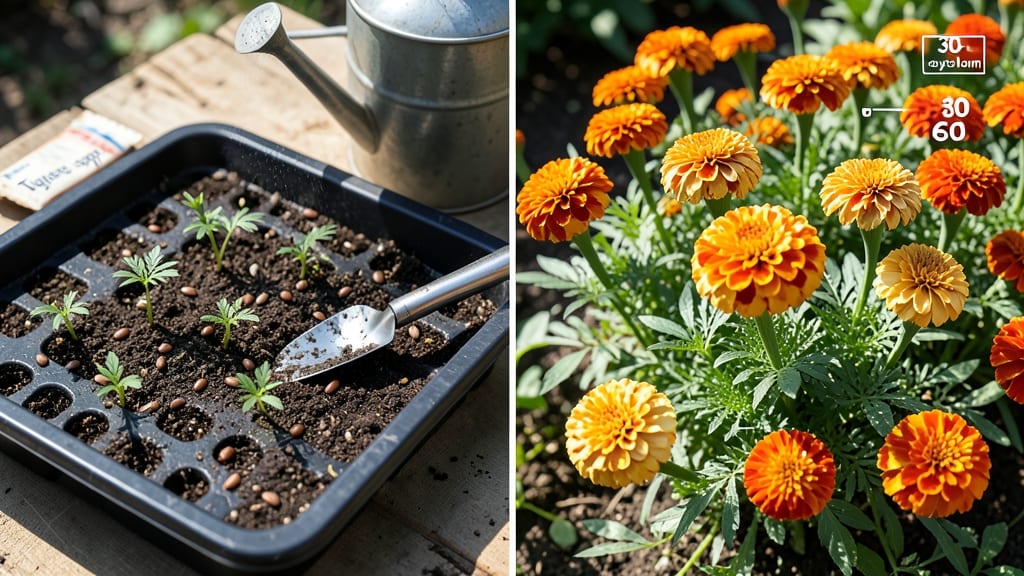
Marigolds take about 60 to 75 days to bloom from seed when grown under ideal conditions, but the wait can feel like forever if you’re not using the right tricks.
You’ve probably planted those tiny seeds in early spring, only to watch them sprout slowly and then stall before finally showing color. The secret? Fast-blooming varieties, warm soil, and a few simple adjustments that cut weeks off your timeline.
In this guide, I’ll break down the fastest marigold varieties, the soil temperature triggers that speed up growth, and the sunlight hacks that make a difference between 60 days and 90 days of waiting.
By the end, you’ll know exactly how to set your marigolds up for success—so you can enjoy those bright 🌼 blooms sooner than you thought possible.


Marigold bloom times from seed: fastest varieties and their growth stages
If you're eager to see those bright marigold blooms light up your garden, timing is everything. From seed to first flower, marigolds typically take 60-75 days, but the fastest varieties can bloom in as little as 45 days under ideal conditions.
The key lies in choosing the right marigold variety and understanding each growth stage.
Marigolds come in three main types—French marigolds, African marigolds, and Signet marigolds—each with its own bloom timeline. French marigolds are the fastest, often blooming in 45-55 days, while African marigolds take slightly longer at 60-75 days.
Signet marigolds fall in between, with a 50-65 day range. Let’s break down the growth stages and fastest varieties to help you plan your garden.
🌱
| Variety | Germination Time | Days to First Flower | Mature Height | Best For |
|---|---|---|---|---|
| French Marigold (e.g., 'Bonanza Orange') | 5-10 days | 45-55 days | 1-2 ft | Borders, containers, early blooms |
| Signet Marigold (e.g., 'Tangerine Gem') | 7-14 days | 50-65 days | 6-12 in | Edging, small gardens, long bloom |
| African Marigold (e.g., 'Crackerjack Yellow') | 7-14 days | 60-75 days | 2-3 ft | Back of borders, pest control |
The germination stage is where your journey begins. Most marigold seeds sprout within 5-14 days, depending on soil temperature and moisture. For fastest results, keep seeds in 70-80°F soil and maintain consistent moisture.
Once sprouted, seedlings should appear in 7-10 days, with true leaves forming within 2-3 weeks.
After germination, the vegetative growth stage lasts about 3-4 weeks. During this phase, your marigolds focus on developing strong roots and foliage. You’ll notice rapid leaf growth, and the plants will reach 4-6 inches tall before transitioning to the budding stage.
This is when you’ll spot those first colorful flower buds forming at the stem tips.
🌻
The budding stage typically lasts 10-14 days, where buds swell and change color from green to their mature hue. This is the most critical phase for bloom acceleration. Ensure your plants receive full sun (6+ hours daily) and balanced fertilizer (5-10-10) to encourage vibrant blooms.
Once buds open, you’ll see the first marigold flowers in as little as 45 days for French varieties.
For African marigolds, which take longer to bloom, patience is key. These varieties often produce larger, showier flowers but require more time to mature. If you’re growing them from seed, plan to wait 60-75 days before seeing those striking orange or yellow blooms.
Meanwhile, Signet marigolds strike a balance, offering compact growth and 50-65 day blooms, making them ideal for containers and small gardens.
📅
To maximize bloom speed, start seeds indoors 4-6 weeks before your last frost date and transplant outdoors after the soil warms to 60°F. Hardening off seedlings for 7-10 days before transplanting reduces shock and encourages faster recovery.
Once in the ground, mulch around the base to retain moisture and suppress weeds, which can delay blooming by 2-3 weeks if neglected.
If you’re aiming for early summer blooms, sow French marigold seeds directly in the garden 2-3 weeks before your last frost. These varieties are cold-tolerant and can handle light frosts, giving them a head start.
For African marigolds, wait until soil temperatures reach 70°F to avoid stunted growth and delayed flowering.
🌿
Remember, light and temperature are your biggest allies in speeding up blooms. Marigolds thrive in full sun and warm conditions. If your growing season is short, opt for French
5 Soil and light tricks to speed up marigold blooming by 30% or more
Marigolds are one of the fastest bloomers in the garden, but even they need the right conditions to hit their peak potential. With the right soil prep and sunlight strategy, you can cut weeks off their bloom time—sometimes by 30% or more.
The secret lies in mimicking their natural tropical habitat while keeping things simple for your backyard.
Most gardeners miss these key triggers: warm soil, balanced nutrients, and strategic sunlight exposure. When you nail these, your marigolds won’t just bloom faster—they’ll produce larger, brighter flowers that last longer. Let’s dive into the science-backed tricks that make marigolds race to their first bloom.
-
1Warm Soil Hack: Use black plastic mulch or a seedling heat mat to raise soil temps to 70-75°F. Marigolds germinate 2x faster in warm soil.
-
2Sunlight Boost: Place seedlings in full sun (6+ hours) but acclimate gradually to avoid shock. Use reflective mulch to increase light intensity by 15%.
-
3Nutrient Pulse: Add composted manure or fish emulsion at planting. This gives roots a phosphorus kick for faster flowering.
-
4Watering Trick: Water deeply every 3 days instead of daily shallow watering. This encourages deeper root growth, which speeds up nutrient uptake.
-
5Deadheading Secret: Pinch off spent blooms immediately. This redirects energy to new buds, cutting 10-15 days off regrowth time.
Start with warm soil—marigolds hate cold starts. If your soil is below 60°F, use a clear plastic tunnel or row cover to trap heat.
This isn’t just about speed; it’s about survival. Cold soil can stall germination for weeks, turning a 60-day bloom time into 90+ days.
For sunlight optimization, think beyond just hours. Marigolds thrive with morning sun and afternoon shade in hot climates. If you’re in a Zone 9+ area, use shade cloth (30%) during peak afternoon heat.
This prevents leaf scorch while keeping flowers vibrant. A little shade can actually boost bloom speed by reducing stress.
Don’t forget the nutrient timing. A slow-release 10-10-10 fertilizer at planting gives marigolds the phosphorus they crave for roots, while a high-potassium feed (like 0-0-50) at bud stage supercharges flowering. The key is balance—too much nitrogen makes them grow leaves, not blooms.
Finally, watering consistency is non-negotiable. Marigolds hate soggy roots but also wilting. Aim for 1 inch of water per week, delivered in the morning. This mimics their tropical origins while preventing fungal issues. A drip irrigation system keeps moisture steady—no guesswork, just predictable growth.