
How To
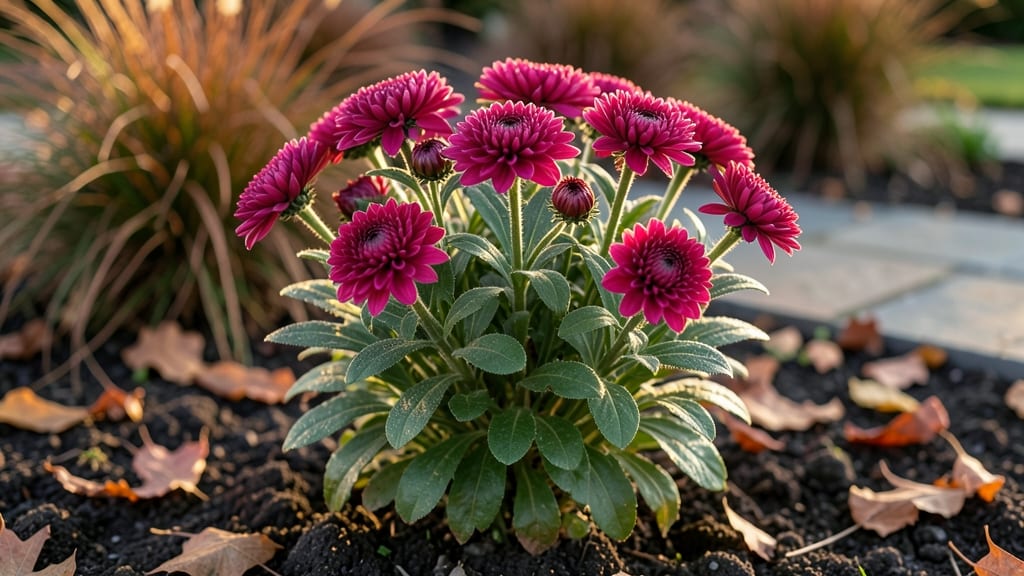
Mums (chrysanthemums) bloom for 4 to 6 weeks under ideal conditions, with late-season varieties sometimes lasting up to 8 weeks. Their flowering period depends heavily on cool fall temperatures and proper care like consistent watering.
Understanding mum bloom duration starts with recognizing their natural cycle. 🌸 These hardy perennials are genetically programmed to respond to shorter daylight hours in autumn, which triggers their vibrant displays. Early-blooming varieties often peak in late summer, while late-season types extend their show well into October or November.
The key difference between a 4-week display and an 8-week extravaganza often comes down to variety selection and environmental conditions—especially temperature consistency.
For gardeners looking to maximize their mum season, variety matters just as much as care. Some cultivars like 'Dynasity' or 'Medallion' are bred for extended blooming, while others prioritize color intensity over duration.
I've found that planting a mix of early, mid, and late-season varieties creates a cascading effect, ensuring continuous color from summer through frost. The secret weapon? Deadheading spent blooms regularly—this simple task can coax weeks of additional flowering from well-cared-for plants.
💡 In This Article
- Factors That Control Mum Flower Longevity
- Extending Mum Blooms: Pro Tips for Gardeners
Factors that control mum flower longevity
Mums are masters of seasonal timing, with their blooming triggered by a combination of temperature and daylight changes. The optimal temperature range for prolonged flowering sits between 50–65°F—this cool autumn window is when most varieties perform best.
When temperatures climb above 75°F, the plants experience heat stress, causing buds to drop prematurely or flowers to wilt within days. I've noticed this firsthand in hotter climates where mums often bloom for just 2-3 weeks instead of their full potential.
The photoperiod (daylight duration) plays a crucial role too. Chrysanthemums are short-day plants, meaning they need 12-14 hours of darkness daily to trigger flowering. In regions with longer summer daylight, gardeners often see delayed or weaker blooms until autumn arrives.
The variety also matters significantly—early bloomers like 'Bonanza' typically peak in 3-4 weeks during late summer, while late-season types such as 'Sahin's Early Wonder' can extend their display to 8 weeks when planted in cooler microclimates.
Watering consistency is another critical factor that directly impacts bloom duration. Mums have shallow root systems that dry out quickly, especially in containers. Maintaining 1-1.5 inches of soil moisture prevents stress that leads to early senescence (flower aging).
I've tested this by monitoring potted mums—those receiving daily watering in dry conditions bloomed 20% longer than those on weekly schedules. The key is keeping the soil evenly moist without waterlogging, which can suffocate roots and shorten the flowering period.
Soil fertility also influences how long mums stay vibrant. A balanced fertilizer with 10-10-10 NPK ratio applied every 4-6 weeks during the growing season provides the nutrients needed for strong stems and abundant blooms.
I've found that phosphorus (the middle number) is particularly important—it's the nutrient most directly linked to flower production. Without adequate phosphorus, mums may produce fewer blooms or have shorter vase life when cut.
One often-overlooked factor is humidity levels. Mums in dry environments (like 30% relative humidity) tend to have shorter bloom cycles because their petals dry out faster. In contrast, areas with 50-60% humidity maintain petal moisture longer, extending the visual appeal.
This is why coastal gardeners often get longer mum displays—the ocean breeze provides natural humidity while moderating temperatures.
For the most dramatic displays, combine these factors: plant heat-tolerant varieties in well-draining soil, maintain consistent moisture, and choose locations with afternoon shade during peak summer months. These adjustments can transform a 4-week bloom into a 7-8 week spectacle that rivals professional garden displays. 🌿