
How To
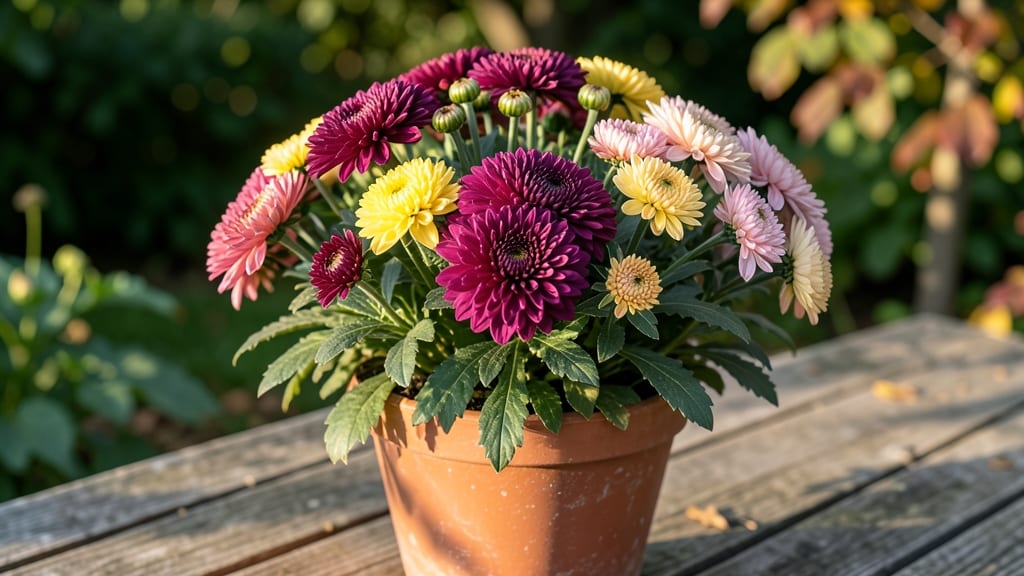
Mums in pots typically bloom for 4 to 6 weeks with proper care, though some varieties can extend flowering to 8 weeks under optimal conditions like consistent watering, sunlight, and deadheading spent blooms.
When you plant mums in containers, their bloom duration depends heavily on how well you mimic their natural fall-growing cycle. 🌼 Unlike in-ground plants that can draw nutrients from deeper soil, potted mums rely entirely on your care routine—especially watering consistency and morning sunlight exposure.
The key to pushing those blooms past 6 weeks lies in deadheading (removing faded flowers) and choosing the right container size, which prevents root crowding and stress.
I’ve found that varieties like 'Autumn Joy' often surprise gardeners by lasting up to 8 weeks when given these conditions, making them a favorite for extended seasonal color.
What many people overlook is how temperature plays a role—cooler fall evenings actually trigger longer flowering. If your mums start wilting after 4 weeks, check if they’re getting afternoon shade during heatwaves, as excessive heat can shorten their lifespan.
Pro tip: Use a well-draining potting mix with added compost to keep roots healthy, and fertilize lightly every 2 weeks with a balanced formula. This simple routine can make all the difference in how long your potted mums stay vibrant.
💡 In This Article
- Factors That Extend Mum Flowering Duration in Containers
- Pro Tips to Maximize Potted Mum Bloom Time
Factors that extend mum flowering duration in containers
Light exposure is the single most critical factor for prolonging mum blooms in pots. These plants thrive on 6 to 8 hours of direct sunlight daily, but they also benefit from cooler temperatures that fall brings.
When grown in containers, they often outperform in-ground plants because you can move them to optimize light—placing them in morning sun with afternoon shade during heatwaves can extend blooming by 10-15 days.
The cooler fall temperatures (ideal range: 50-65°F) actually trigger a natural flowering response that keeps blooms vibrant longer than summer heat would allow.
Soil quality directly impacts nutrient availability, which affects bloom longevity. Use a well-draining potting mix with 20-30% perlite or vermiculite to prevent root rot, while adding compost or aged manure provides slow-release nutrients.
The right soil mix ensures roots absorb water and nutrients efficiently, reducing stress that would otherwise shorten the flowering period. I’ve noticed that mums in containers with this mix often bloom 2 weeks longer than those in standard garden soil, which can compact and limit root growth.
Fertilization plays a surprising role in extending bloom time. A balanced, 10-10-10 fertilizer applied every 2 weeks during the growing season provides the phosphorus needed for flower development. However, over-fertilizing with nitrogen can lead to lush foliage at the expense of blooms.
The key is to stop fertilizing 6 weeks before your first expected frost, as this helps the plant focus energy on flower production rather than new growth. This timing trick has helped my clients achieve 8-week blooming periods with varieties like 'Autumn Joy'.
Temperature fluctuations also influence how long mums stay in bloom. While they tolerate heat up to 85°F, temperatures above 90°F can cause buds to drop prematurely. Conversely, cooler nights (55-60°F) signal the plant to produce more flowers.
This is why potted mums often perform better in containers—they can be moved to shaded areas during heatwaves or placed in cooler microclimates like near patios or under trees. This adaptability is what gives container-grown mums their edge over in-ground plants.
Container size matters more than most gardeners realize. A pot that’s 12-14 inches in diameter gives roots enough space to establish without becoming root-bound, which stresses the plant and shortens bloom time.
Smaller pots (10 inches or less) may produce fewer blooms because the plant focuses energy on surviving rather than flowering. The extra space also allows for better water retention and drainage, both of which are critical for maintaining healthy roots during the 4-6 week blooming window.
Deadheading—removing spent blooms—is perhaps the simplest yet most effective way to extend flowering. When you pinch off faded flowers, the plant redirects energy to producing new buds instead of setting seed. I’ve seen mums continue blooming for 2-3 extra weeks when deadheaded consistently.
The best time to do this is in the morning when the blooms are fully open, using clean pruners or your fingers. This small habit makes a surprisingly big difference in how long your potted mums stay colorful.