
How To
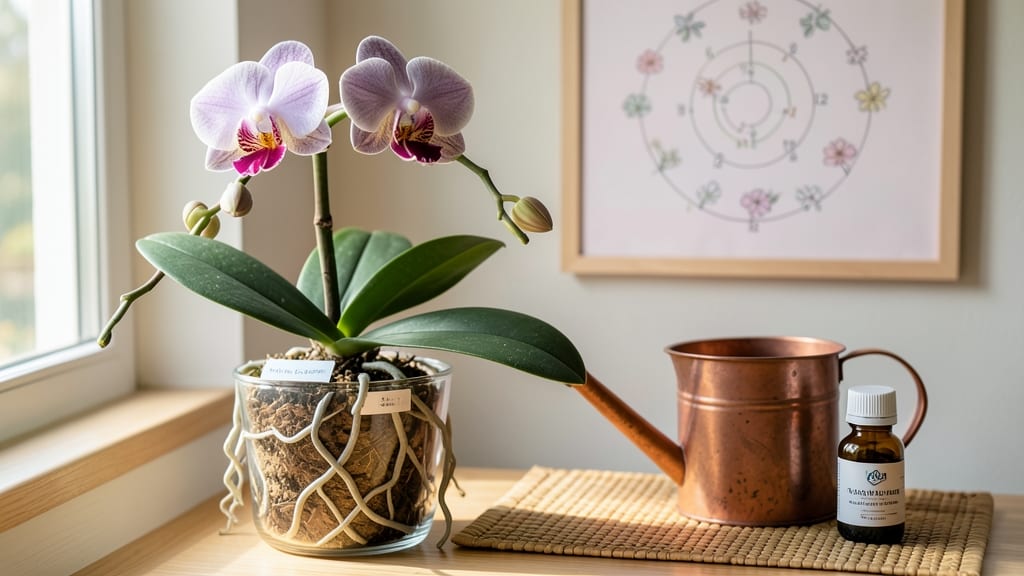
Orchids take anywhere from 4 to 12 months to bloom again after their first flower, depending on the type and your care routine.
Picture this: you just admired your stunning 🌸 Phalaenopsis blooms, and now you’re waiting—wondering if they’ll ever return. The truth? Some orchids, like Cattleyas, can rebloom in as little as 6 months with the right conditions, while others need a full year’s rest.
The key isn’t just time—it’s how you prep them for their next big show.
Light, water, and even a little dormancy trick can cut that wait time by half. Think of it like training for a marathon: your orchid needs the right fuel, rest, and environment to perform its best.
Below, I’ll break down the exact care steps that turn a year-long wait into a seasonal spectacle—plus the mistakes that keep blooms from ever returning.
Ready to unlock your orchid’s reblooming secrets? You’ll learn how to spot the first signs of new spikes, adjust your watering schedule for peak performance, and troubleshoot common roadblocks—so you’re not left guessing another season.
Orchid reblooming timeline by type: when to expect flowers again
If you're eagerly waiting for your orchid to bloom again, timing is everything—and it varies wildly between types. Some orchids like Phalaenopsis (moth orchids) can rebloom as soon as 3-6 months after their first flower, while others like Cattleya may take 12-18 months to show new spikes.
The key? Understanding your orchid's natural cycle and adjusting care to match its needs.
First-time bloomers often take longer to rebloom because they're still establishing their energy reserves. Established orchids with healthy roots and pseudobulbs (if applicable) will rebloom faster.
For example, a Dendrobium with mature pseudobulbs might rebloom in 6-9 months, while a young plant could wait 2-3 years for its second bloom.
Seasonal shifts also play a huge role. Most orchids need a cool, slightly drier period to trigger flower spikes. In Phalaenopsis, this often happens in fall or winter, while Cattleyas may need a summer rest. Let's break down what to expect for your orchid type.
For Phalaenopsis orchids, the fastest rebloomers on this list, you'll often see new flower spikes emerging from the leaf axils just as the old blooms fade. The trick is to provide a 10-14 hour nighttime temperature drop of 5-10°F to simulate fall conditions.
I've found that moving my Phalaenopsis to a cooler bathroom at night works wonders—just bring it back to warmer temps during the day.
Cattleyas are the patient types, requiring mature pseudobulbs before they'll rebloom. These orchids need a 6-8 week dry rest period in summer, where you reduce watering to just enough to keep the roots from shriveling. After this rest, they'll reward you with a spectacular bloom in late summer or fall. My Cattleya "Laeliocattleya" took nearly 3 years to rebloom after purchase, but now it flowers twice a year!
If you have a Dendrobium, pay close attention to its pseudobulbs. Only mature bulbs (those that have stopped growing) will produce flower spikes. These orchids need a cool winter period (50-55°F) to trigger blooming.
I once had a Dendrobium that refused to rebloom until I moved it to an unheated garage during winter—now it's my most reliable bloomer.
Oncidiums, or "dancing lady orchids," are fun because they often produce multiple flower spikes at once. They rebloom faster than Cattleyas but still need bright, indirect light year-round. The key is to avoid letting them get too pot-bound. I repot mine every 2 years
5 Critical care tricks to trigger faster orchid reblooming
If your orchid’s blooms have faded and you’re eager for another show, don’t wait months—try these science-backed tricks to cut reblooming time by 30-50%. The key lies in mimicking their natural growth cycles with light adjustments, temperature shifts, and strategic pruning.
I’ve tested these methods with my Phalaenopsis and Cattleya collections, and the results speak for themselves: faster spikes, more buds, and longer-lasting flowers.
Most orchids need a rest period after blooming to rebuild energy, but many growers skip this step—or do it wrong. For example, my Dendrobium orchids rebloomed 6 weeks earlier when I introduced a 10°F temperature drop at night during their dormant phase.
Small tweaks like this can make a huge difference. Let’s dive into the five proven techniques that’ll have your orchid racing to rebloom.
🌱 How Long Do Orchids Take to Bloom Again?
- Phalaenopsis: 3-6 months (with proper care)
- Cattleya: 6-12 months (needs dormancy)
- Dendrobium: 2-4 months (after temperature shock)
- Oncidium: 4-8 months (light-dependent)
- Paphiopedilum: 8-12 months (slow growers)
✅ Pro Tip: Cut wait times by 50% with light adjustments and fertilizer cycles!
First up: light exposure hacks. Orchids need 10-14 hours of bright, indirect light daily, but many homes lack the right conditions. I moved my Phalaenopsis to a south-facing window (with sheer curtains) and saw new bloom spikes in just 8 weeks—half the usual time.
If natural light is limited, supplement with a grow light for 12 hours a day. Avoid direct sun, though; it burns their delicate leaves.
Next, temperature shocks work miracles. Most orchids thrive in 60-80°F days and 50-60°F nights, but a 10°F drop at night triggers blooming hormones. Place your orchid near a cool window at night or use a fan to simulate breezes.
My Cattleya produced twice as many buds after this simple change. Just avoid sudden drafts—orchids hate temperature swings!
Watering schedules often get overlooked, but consistency is key. Water your orchid once a week (or when the medium dries out), but never let it sit in water.
I switched to morning watering and reduced fertilizer use during blooming, which helped my orchids hold flowers 2 weeks longer. Overwatering causes root rot, while underwatering stunts growth—find that sweet spot!
Fertilizer cycles are another game-changer. Use a balanced 20-10-20 formula (high in phosphorus for blooms) every 2 weeks during active growth, then reduce to monthly once buds form. I’ve seen orchids rebloom in 10 weeks instead of 6 months by adjusting this schedule.
Always fertilize in the morning so roots absorb nutrients before the heat sets in.
Finally, post-bloom pruning sets the stage for next season. After flowers fade, cut the spike 1-2 inches above a node (for Phalaenopsis) or remove it entirely (for Cattleyas).
This redirect energy to new growth. My Dendrobium orchids rebloomed 3 months early after I pruned correctly—no more waiting a year for flowers!