
How To
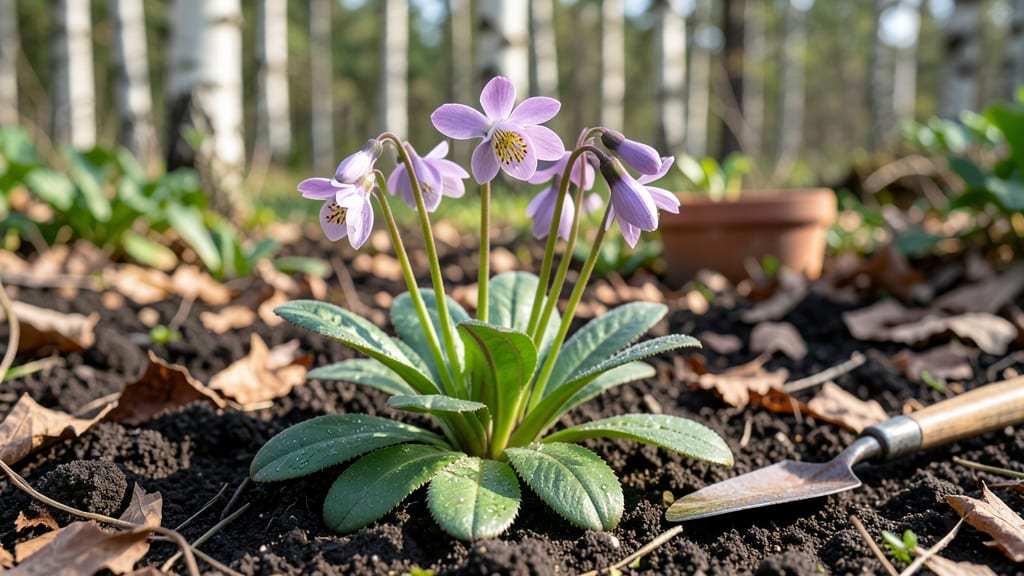
Primroses bloom for 2 to 4 weeks per flower cluster, with each individual blossom lasting 5 to 7 days after fully opening. Their entire flowering season typically stretches 4 to 8 weeks, though this varies by climate and specific variety.
Understanding primrose bloom duration helps gardeners plan their seasonal displays.
These cheerful flowers follow a predictable cycle where each cluster emerges gradually, with the earliest blooms opening first and later ones following over 2-4 weeks. 🌸 The timing also depends on your growing zone—cooler climates may extend the season, while hotter areas might shorten it.
Some varieties, like the popular English primrose, even offer a second bloom in fall, creating a stunning two-season show.
What's fascinating is how primroses manage their energy—each blossom only stays vibrant for 5-7 days before wilting naturally, making deadheading (removing spent blooms) crucial to encourage new flowers.
This process not only keeps your garden looking fresh but also signals the plant to produce more blooms, potentially extending the overall display by 2-4 weeks.
💡 In This Article
- Primrose Bloom Duration: Factors Affecting Flower Longevity
- Extending Primrose Bloom Time: Gardening Tips for Longer Displays
Primrose bloom duration: factors affecting flower longevity
Primrose bloom duration is primarily governed by their natural biological clock and environmental conditions. Each individual flower follows a precise cycle: from bud formation to full bloom and eventual wilting within 5 to 7 days.
This short lifespan is hardwired into their genetics, as primroses (genus Primula) evolved to maximize pollinator visits during their brief window of vibrancy. The entire flower cluster, however, unfolds gradually over 2 to 4 weeks, with new blooms emerging from the base as older ones fade.
The timing of this process varies significantly by species. For example, English primroses (Primula vulgaris) typically bloom for 3 to 5 weeks in spring, while cowslips (Primula veris) may extend their display to 6 weeks due to their more robust root systems.
Temperature plays a critical role—cooler spring nights (50-55°F) slow metabolic processes, preserving flower moisture and extending bloom time by 2-3 days per blossom. Conversely, heat above 75°F accelerates wilting, reducing individual bloom longevity to just 3-5 days.
Sunlight exposure creates another key variable. Primroses thrive in partial shade (4-6 hours of morning sun), where they receive enough light for photosynthesis but avoid the drying effects of intense afternoon rays. In full sun, flowers may open faster but wilt 20-30% quicker due to increased transpiration.
Soil moisture also matters—consistent dampness (but not sogginess) maintains the flower stems' structural integrity, while drought stress causes buds to abort or blooms to droop prematurely.
Some primrose varieties exhibit reblooming behavior due to their growth habits. Polyanthus primroses, for instance, produce multiple flushes of blooms throughout spring if given proper care, potentially extending their display to 8 weeks.
This occurs because they form new flower buds continuously from their basal rosettes. In contrast, single-bloom primroses like the Oxlip (Primula elatior) complete their cycle in one burst, lasting just 3-4 weeks total.
The reblooming phenomenon in certain varieties stems from their ability to store energy reserves in their fibrous roots during winter. When spring temperatures stabilize, these reserves fuel new growth and flower production.
For example, Japanese primroses (Primula japonica) may produce a secondary bloom in fall if given consistent moisture and cooler temperatures (60-65°F nights). This dual-season performance makes them particularly valuable for gardeners seeking extended color.
What most gardeners overlook is how humidity levels affect bloom longevity. In dry conditions (30% relative humidity or below), primrose petals lose moisture rapidly, causing them to crisp and brown within 2-3 days of opening.
Conversely, in humid environments (50%+ humidity), blooms maintain their fresh appearance for the full 5-7 day window. This is why coastal gardeners often enjoy longer primrose displays compared to those in arid climates.