
Size
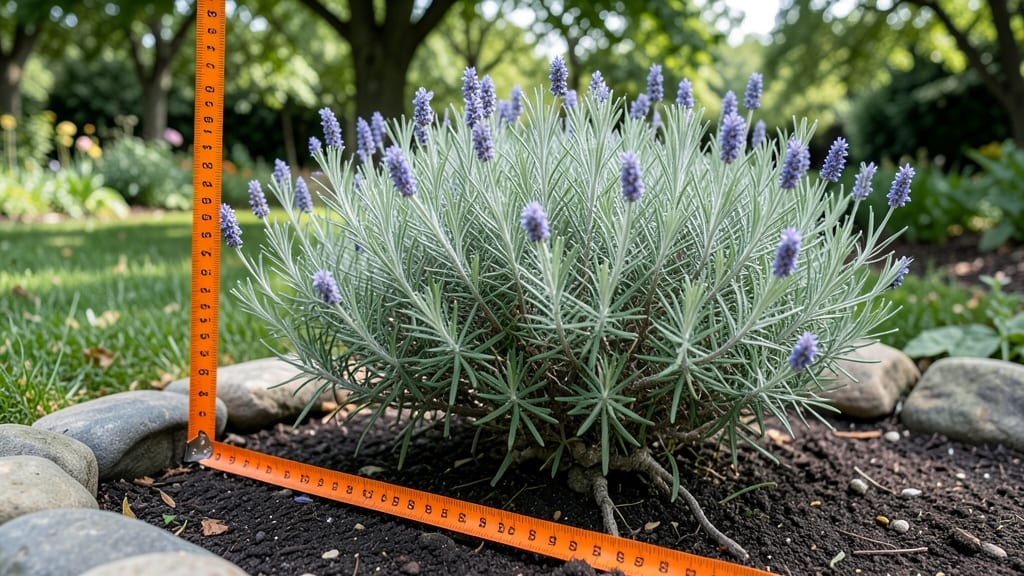
Rosemary needs at least 12-18 inches of space in containers and 24-36 inches apart in garden beds to grow strong and healthy 🌿 — cramming it into tighter quarters leads to crowded roots, stunted growth, and poor flavor.
If your rosemary looks leggy or its leaves are sparse, it’s probably begging for more room. Overcrowding isn’t just an aesthetic issue—it invites pests, fungal problems, and even plant death if roots compete for nutrients and water.
Whether you’re growing rosemary in pots or garden beds, the right spacing ensures it thrives year-round. Below, I’ll break down the ideal container sizes, garden spacing, and how to prune for healthy growth—so you can keep your rosemary lush and productive.
You’ll also discover how to fix overcrowded plants, choose the best containers, and adjust care for dwarf or standard varieties. Let’s get your rosemary the space it deserves!


Rosemary spacing requirements: minimum container sizes for healthy growth
Rosemary thrives when given the right space to spread its roots and grow upright, but many gardeners underestimate how much room this hardy herb truly needs. Standard rosemary varieties can reach 3-6 feet tall with a 3-4 foot spread, while trailing types like Prostratus spread wider but stay shorter.
Without proper spacing, you risk stunted growth, poor airflow, and even fungal diseases from overcrowding.
In containers, rosemary’s root system needs depth and width to prevent root-bound stress. A 12-18 inch deep pot with a 12-18 inch diameter is the minimum size for a single plant.
For garden beds, spacing 24-36 inches apart ensures each plant gets enough sunlight and nutrients. Trailing varieties may need even more width to cascade beautifully without competing for space.
Here’s a quick reference for rosemary’s space needs, whether you’re growing it in pots or garden beds:
| Growth Type | Container Size (Min) | Garden Spacing | Notes |
|---|---|---|---|
| Upright Varieties (e.g., Tuscan Blue) | 12" deep x 12-18" wide | 24-36" apart | Needs vertical space; prune to control height |
| Trailing Varieties (e.g., Prostratus) | 12" deep x 18-24" wide | 30-36" apart | Spreads wider; use for borders or hanging pots |
| Dwarf Varieties (e.g., Blue Spires) | 10-12" deep x 10-12" wide | 18-24" apart | Smaller but still needs airflow |
| Multiple Plants in One Container | 18" deep x 24" wide (per 3 plants) | N/A | Space plants 6-8" apart in container |
For container gardening, always prioritize drainage holes and well-draining soil. Rosemary hates soggy roots, so a terracotta pot or fabric grow bag with a minimum 18-inch depth works best.
If you’re planting multiple rosemary plants in one container, space them 6-8 inches apart to avoid competition. This setup mimics the natural spacing you’d give in a garden bed.
In garden beds, rosemary’s root system spreads wider than its height suggests. Planting 24-36 inches apart gives roots room to expand without crowding neighbors. If you’re creating a rosemary hedge, space plants 18-24 inches apart and prune regularly to maintain a uniform shape.
Trailing varieties like Rosemary Prostratus can be planted 30-36 inches apart to allow their branches to cascade gracefully.
One common mistake is assuming smaller containers will work for longer. While rosemary is drought-tolerant, root-bound plants suffer from stunted growth and poor flavor. If you’re using a 5-gallon pot (about 12" deep x 12" wide), it’s the minimum size for one standard rosemary plant.
For larger varieties, upgrade to a 10-15 gallon container to prevent stress.
If you’re unsure about your rosemary’s mature size, check the plant tag or variety description. Upright types like Tuscan Blue grow taller, while trailing types spread wider. Adjust spacing accordingly—overcrowding leads to pale leaves, weak stems, and even plant death in extreme cases.
Give your rosemary the space it deserves, and you’ll be rewarded with vigorous growth and aromatic leaves all season long.
Pro tip: If you’re growing rosemary in hanging baskets or window boxes, choose trailing varieties and ensure the container is at least 12 inches deep. The extra depth encourages stronger root growth, which translates to healthier, more flavorful stems.
With the right spacing, your rosemary will thrive whether it’s in a backyard bed or a city balcony.
Remember, rosemary is a perennial in USDA zones 7-10, so proper spacing now means years of harvests with minimal effort. Start with the right container or garden bed dimensions, and your rosemary will repay you with lush foliage and fragrant leaves for seasons to come.
How to choose the right rosemary container: size, material, and drainage tips
Rosemary thrives when given the right container space and material—but many gardeners overlook how these factors impact growth. A 12-inch diameter pot works for dwarf varieties, while standard rosemary needs at least 18-inch containers to prevent root binding.
Let’s break down the best options to keep your rosemary lush and healthy.
Container material matters too. Terracotta pots wick away moisture, ideal for rosemary’s drought-tolerant nature, while plastic retains water longer, risking root rot if overwatered. For window boxes, ensure they’re at least 12 inches deep to accommodate rosemary’s deep root system.
Rosemary Container Spacing Needs
| Variety | Container Size | Spacing in Garden Beds |
|---|---|---|
| Dwarf (e.g., 'Blue Spires') | 12-inch diameter | 12-18 inches apart |
| Standard (e.g., 'Tuscan Blue') | 18-24-inch diameter | 24-36 inches apart |
| Trailing (e.g., 'Prostratus') | 12-inch deep window box | 18-24 inches apart |
Rosemary’s root depth (12-18 inches) determines container needs. Overcrowding leads to stunted growth and fungal issues.
For grow bags, opt for fabric bags with drainage holes—these mimic rosemary’s natural well-draining soil preferences. If repurposing containers, add a 2-inch layer of gravel at the bottom to improve drainage. Avoid saucers without drainage holes, as rosemary hates soggy roots.
Adjust spacing for multiple plants in containers. Place 3-5 dwarf rosemary in a 24-inch pot, but leave 12 inches between stems to prevent competition. In garden beds, 36 inches apart gives standard rosemary room to spread without overcrowding.
Prune regularly to control size—trim back by 1/3 in spring to encourage bushier growth. This works especially well for container-grown rosemary, keeping it compact and manageable. Pair pruning with well-draining soil (like cactus mix) for best results.
Remember: Drainage is non-negotiable. A container without holes = root rot risk. If your pot lacks drainage, elevate it on a cactus tray or add perlite to the soil mix. With the right setup, your rosemary will reward you with fragrant, lush growth all season long! 🌿