
How To
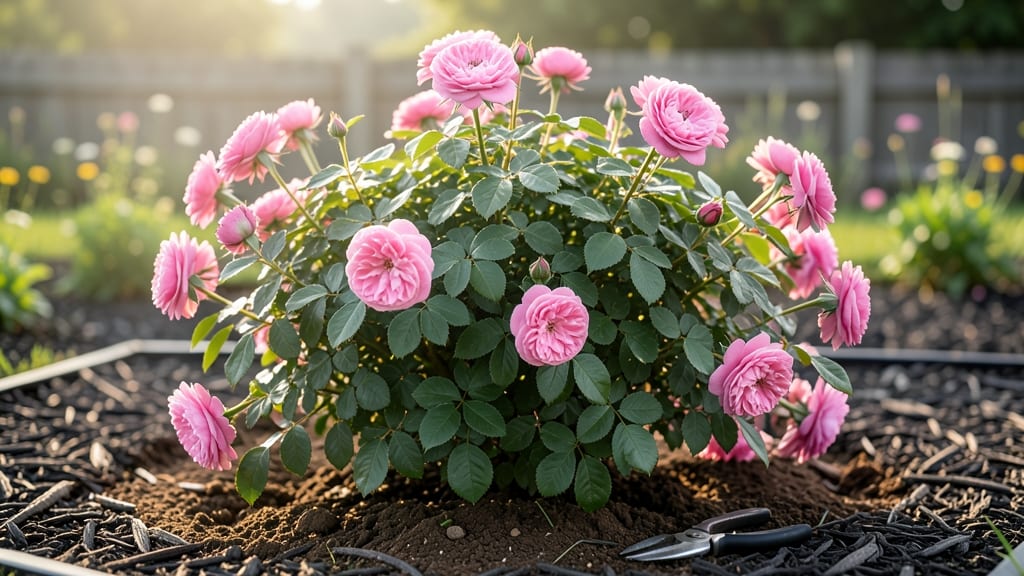
Rose bushes grow anywhere from 1 foot to towering 10 feet tall, depending entirely on the variety you choose.
Wondering whether your dream rose garden will sprawl like a jungle or stay neatly contained? The height of your rose bushes depends entirely on the variety—and knowing this can save you space, time, and pruning headaches.
Climbing roses 🌹 can reach the second story of your home, while dwarf varieties stay perfectly manageable for small gardens or container growing. Even shrub roses vary widely, with some barely clearing your knee and others needing room to stretch their branches.
In this guide, I’ll break down the height ranges by type, share how sunlight, soil, and pruning affect growth, and help you pick the perfect roses for your space—whether you want a delicate border or a dramatic trellis.


Rose bush height by variety: from dwarf to climbing giants
Choosing the right rose bush height for your garden isn’t just about aesthetics—it’s about creating a space that thrives. Some varieties stay compact enough for container gardening, while others grow tall enough to climb trellises or frame your home’s entrance.
The key is matching the mature height of each variety to your garden’s layout and your pruning comfort level.
For example, a dwarf rose like 'Fairy' stays under 2 feet tall, perfect for window boxes or fairy gardens. On the other end of the spectrum, a climbing rose like 'New Dawn' can reach 15 feet or more, turning a blank wall into a lush, fragrant vertical garden.
Understanding these differences helps you avoid overcrowding or underutilized space.
Below, I’ve broken down the most popular rose bush varieties by their typical mature height, growth habits, and ideal spacing. This will help you visualize how they’ll fit into your garden design and which ones will require the most (or least) maintenance.
If you’re working with a small garden, dwarf roses or semi-dwarf varieties are your best bet. They require minimal pruning and fit neatly into tight spaces. For example, the 'Patio' series stays under 2 feet tall and blooms continuously, making them ideal for container gardening on patios or balconies.
For a more dramatic look, climbing roses are unbeatable. They can transform a plain fence or arbor into a romantic vertical garden. Just be prepared for regular pruning to keep them under control—especially if you want to encourage larger blooms.
A 6-foot trellis can easily support a 'Blaze' climbing rose, which produces vibrant red blooms all summer.
When planning your garden layout, always account
How to choose rose bushes based on garden space and style
Your garden’s layout and design goals should dictate which rose varieties you plant. A small urban yard calls for dwarf roses, while a rural landscape can accommodate towering climbers. The key is matching the mature height of the rose to your available space and aesthetic vision.
For example, hedge roses like 'Hedgehog' stay compact at 3-4 feet tall, perfect for defining property lines. Meanwhile, climbing roses like 'New Dawn' can reach 10-15 feet, ideal for covering trellises or fences. Understanding these differences helps you avoid overcrowding or underutilized space.
Here’s a quick comparison of how rose heights align with common garden styles:
Rose Height by Garden Style
Garden Style
Small Urban Garden
Cottage Garden
Formal Landscape
Rural or Wild Garden
Best Rose Height
1-3 ft (Dwarf)
3-5 ft (Semi-Dwarf)
4-6 ft (Shrub)
6-15 ft (Climber)
Ideal Varieties
'Playboy' (2 ft)
'David Austin English Rose' (4 ft)
'Knock Out' (3-4 ft)
'Blaze' (10-15 ft)
If you’re working with limited space, dwarf roses are your best bet. Varieties like 'Fairy' or 'Tom Thumb' stay under 2 feet tall and thrive in containers or along walkways. These roses also require less pruning, making them low-maintenance choices for busy gardeners.
For a romantic cottage garden, opt for semi-dwarf roses like 'Gertrude Jekyll' (4-5 feet). Their bushy growth and abundant blooms create a lush, old-world feel without overwhelming smaller plots. Pair them with perennial companions like lavender or catmint for a cohesive look.
Pruning plays a huge role in controlling height naturally. For climbing roses, prune in late winter to remove weak canes and encourage upward growth. For shrub roses, cut back one-third of the oldest canes annually to maintain shape and promote new blooms at the right height.
Finally, consider your maintenance preferences. Knock Out roses grow 3-4 feet tall but require minimal pruning, while hybrid teas like 'Double Delight' (5-6 feet) demand more frequent deadheading and shaping to keep them tidy.