
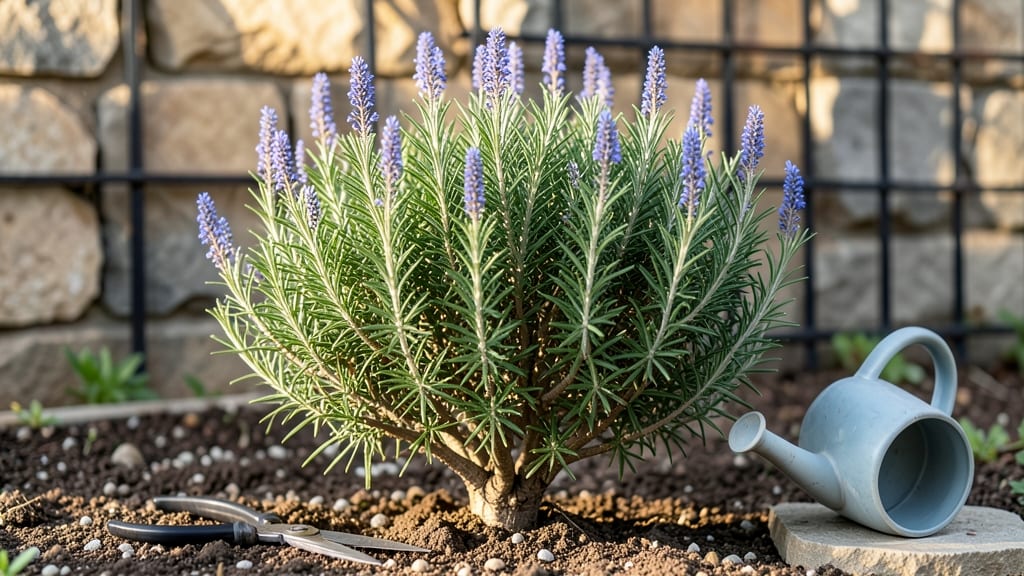
How Tall Do Rosemary Plants Grow: Compact Varieties vs. Towering Types

Plants

How Tall Do Rosemary Plants Grow: Compact Varieties vs. Towering Types

Rosemary plants grow anywhere from 1 foot to over 6 feet tall, depending on the variety and how you care for them.

Wondering whether rosemary will fit neatly in your herb garden or sprawl into a towering shrub? The height of this fragrant herb varies wildly—from dwarf varieties perfect for windowsills to bushy giants that need room to stretch their branches.

Most rosemary plants mature between 3 and 5 feet when grown outdoors in USDA Zone 6a, but with the right pruning and spacing, you can keep them compact or encourage them to reach their full potential. The key lies in understanding your plant’s growth habits and adjusting care accordingly.

In this guide, I’ll break down how tall different rosemary types grow, how to control their height with pruning, and why some varieties stay small while others tower—so you can choose the perfect fit for your space.

Dwarf
1-2 ft
Container friendly
Semi-Dwarf
2-3 ft
Most popular
Standard
4-6 ft
Full orchard size

Rosemary growth heights: standard varieties and their mature sizes

Rosemary isn't just one-size-fits-all when it comes to height. This versatile herb comes in a stunning range of sizes, from compact window-sill varieties to towering shrubs that can reach waist height.

The mature size you'll end up with depends entirely on the variety you choose and how you care for it. Some rosemary plants grow upright like small trees, while others sprawl beautifully along garden edges or container rims.

Understanding these differences is crucial for planning your herb garden layout. A 3-foot tall rosemary planted too close to a 6-foot variety will get overshadowed and struggle to thrive. Meanwhile, dwarf varieties in large containers will look lost without proper spacing.

Let's explore the most popular rosemary types and their mature heights so you can select the perfect fit for your space.

td style="padding: 10px; border-bottom: 1px solid rgba(255,255,255,0.2);">Compact Upright

How to control rosemary height: pruning, training, and variety selection

Rosemary’s height can be as manageable as 12 inches or as imposing as 6 feet, depending on how you shape it. The key to controlling its growth lies in three strategies: pruning techniques, variety selection, and training methods.

Whether you're growing rosemary in containers or garden beds, these methods help prevent leggy growth and encourage a compact, bushy form that’s perfect for harvesting.

If your rosemary is already stretching toward the sky, don’t worry—it’s not too late to rein it in. The secret is understanding when and how to prune, which stimulates new growth while keeping the plant at your desired height.

For example, a Tuscan Blue variety can easily reach 5 feet if left unchecked, but with regular pruning, you can keep it at a more manageable 2-3 feet.

⚠️ Height Shockers: How Tall Can Rosemary Really Get?

Standard varieties like Arp or Hill Hardy can tower up to 6 feet in ideal conditions, while dwarf varieties like Prostratus max out at 12-18 inches. Overcrowding or poor sunlight forces rosemary to stretch, creating leggy, weak stems that struggle to support their own weight. Without pruning, even compact varieties can double in height within a single growing season.

Start by selecting the right rosemary variety for your space. For small gardens or containers, opt for dwarf or prostrate varieties like Blue Spires or Rosemary 'Prostratus', which stay under 2 feet.

These varieties naturally grow in a spreading habit, making them ideal for borders or window boxes. If you prefer an upright form, Tuscan Blue or Hill Hardy are excellent choices, but they’ll need regular pruning to prevent them from becoming too tall.

Pruning is the most effective way to control height and encourage bushier growth. The best time to prune is in early spring or after flowering, when the plant is actively growing.

Use clean, sharp pruning shears to trim back 1/3 of the plant’s height, focusing on the longest stems. This encourages the plant to branch out, creating a fuller, more compact shape. Avoid cutting into old, woody stems, as these won’t regrow.

Training rosemary to grow in a specific shape is another great technique. For example, you can stake young plants to encourage upright growth or pinch back tips to promote bushiness.

If you’re growing rosemary in a container, choose a pot that’s just slightly larger than the plant’s root ball to restrict growth. Over time, this will keep the plant shorter and more manageable, while also improving airflow and reducing the risk of disease.

One common mistake gardeners make is overwatering, which can lead to leggy growth. Rosemary thrives in well-draining soil and drought-like conditions. If your soil stays too wet, the plant will stretch toward any available light, resulting in weak, elongated stems.

To prevent this, ensure your rosemary is planted in sandy or gravelly soil and water only when the top 1-2 inches of soil are dry. Mulching around the base of the plant can also help retain moisture without creating soggy conditions.

★★★★★4.8(3 reviews)
Categories Plants
Variety Growth Habit Mature Height Spread Ideal Spacing
Tuscan Blue Upright 4-6 ft 3-4 ft 4-5 ft apart
Hill Hardy Bushy Upright 3-5 ft 2-3 ft 3-4 ft apart
Prostratus Trailing 1-2 ft tall 4-5 ft spread 2-3 ft apart
Arp 2-3 ft 2-3 ft 2-3 ft apart
Blue Spires Narrow Upright 3-4 ft 1-2 ft 2-3 ft apart
Iris Dwarf Trailing 1-1.5 ft 3-4 ft spread 1-2 ft apart