
Picking
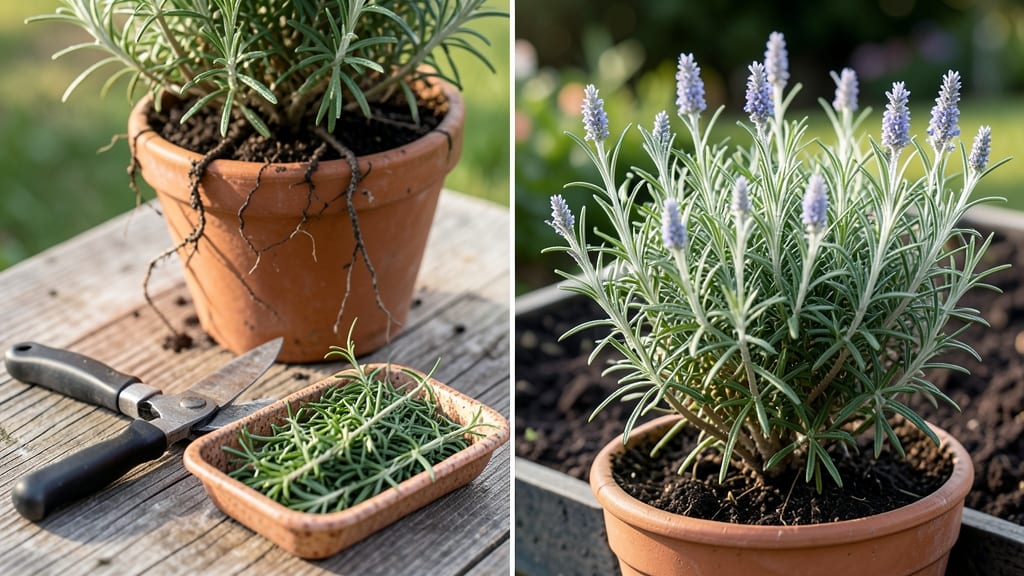
Harvesting rosemary without killing the plant starts with knowing exactly where—and when—to cut. ✂️ I’ve ruined more rosemary bushes than I’d like to admit by snipping the wrong stems, but this method keeps my plants thriving for years. The secret lies in timing, technique, and a little patience.
Always harvest from woody stems—never the soft, green tips—because those are where new growth emerges. Use clean, sharp pruners to make cuts just above a leaf node (that little bump where leaves grow out). This encourages fresh shoots to sprout below the cut, keeping your plant bushy and productive.
You’ll notice new growth within 2-3 weeks of proper harvesting, with the plant staying lush and fragrant year-round. The key is consistency: harvest lightly in spring and fall, and avoid heavy cuts in winter when the plant is dormant.
This method works for both potted rosemary and in-ground plants, so you can use it whether your herb garden is on a sunny windowsill or a Mediterranean-style patio. Let’s get those pruners sharp and keep that rosemary happy!
📚 In This Guide
- What you need
- Instructions
- Tips and common mistakes
- Wrapping up and next steps
What you need
- ● Sharp, clean pruning shears or scissors – Look for bypass pruners (5-7 inch blades) to avoid crushing stems.
- ○ Gloves (optional but recommended) – Garden gloves with grip to protect hands from prickly stems.
- ● Disinfectant (rubbing alcohol or bleach solution) – 1 part bleach to 9 parts water—sterilize tools before and after use.
- ● Container or basket – A shallow tray or mesh bag to collect harvested sprigs (avoid plastic that traps moisture).
- ● Markers or labels (if storing) – Small tags to note harvest dates for freshness tracking.
- ● Pruning saw (for woody stems) – Only needed if your rosemary has thick, mature branches.
- ● Spray bottle with water – Mist sprigs to preserve freshness during transport.
- ● Paper towels or cloth – Gently pat dry sprigs to prevent mold before storage.
- ● Drying rack or hanging twine – For long-term preservation (if you plan to dry the rosemary).
Step-by-Step pruning techniques for rosemary harvesting
Here's how to trim rosemary like a pro—keeping your plant thriving while getting fresh herbs all year.
✂️ Step 1: Identify the Right Time to Harvest
Wait until your rosemary plant has grown at least 6-8 inches tall and has 5-7 sets of leaves on each stem. This ensures you're not cutting back too aggressively and gives the plant enough energy to regrow. I always check for new growth at the tips—that's your signal the plant is ready for its first harvest.
Spring and early summer are ideal times because the plant is actively growing. Avoid harvesting in late fall or winter when growth slows down. You'll know it's the right time if the stems feel firm and the leaves are vibrant green, not yellowing or woody.
✂️ Step 2: Choose the Right Stems to Trim
Never cut the main central stem—this is the plant's backbone and removing it will stunt growth. Instead, focus on side branches that are at least 3-4 inches long. Look for stems with multiple sets of leaves—these are mature enough to cut without harming the plant.
I like to trim one-third of the plant's total growth at a time. For example, if your rosemary is bushy with many side branches, pick 3-4 of the longest stems to harvest. This keeps the plant balanced and encourages new growth from the base. Avoid cutting into old, woody stems—they won't regrow well.
✂️ Step 3: Use the Right Technique to Cut
Use clean, sharp pruning shears to make a 45-degree angle cut just above a leaf node (the point where leaves grow out). This angle helps water run off the cut and prevents rot. If you're using scissors, make sure they're sterilized to avoid introducing diseases.
Cut above the leaf node, not below it—this ensures new growth will sprout from the remaining stem. If you cut too close to the base or below the node, the plant may not regrow in that spot. I always trim just above a set of healthy leaves to encourage bushier growth.
🌿 Step 4: Encourage Regrowth After Harvesting
After harvesting, water the plant deeply to help it recover. Rosemary is drought-tolerant, but a good soak after pruning encourages new growth. Avoid overwatering, though—soil should dry out completely between waterings. You'll know it's time to water again when the top 1-2 inches of soil feel dry to the touch.
Place your rosemary in a sunny spot (at least 6 hours of full sun daily) and fertilize lightly with a balanced, water-soluble fertilizer every 4-6 weeks during the growing season. You'll see new shoots emerging within 2-3 weeks if the plant is healthy and well-cared-for.
⏰ Step 5: Maintain a Regular Harvesting Schedule
Once your rosemary is established, you can harvest every 4-6 weeks during the growing season. This keeps the plant compact and bushy rather than letting it grow leggy. I like to trim just the top sets of leaves for small amounts of fresh herbs without pruning the whole stem.
In late summer or early fall, reduce harvesting to allow the plant to prepare for dormancy. A light trim in early spring will wake it up for another growing season. If your rosemary starts looking woody or bare, it's time for a rejuvenation pruning—cut back one-third of the oldest growth to encourage new, tender shoots.
Tips & tricks for perfect rosemary harvesting
These simple yet game-changing techniques will help you harvest rosemary without harming your plant while keeping it thriving year after year.
Timing Secret: The 6 hours of full sun daily mentioned in Step 4 is non-negotiable for healthy regrowth. If your rosemary isn't getting enough sunlight, you'll notice slower recovery after pruning. Place it near a south-facing window or move it outside during peak sun hours. I've seen plants that struggled to bounce back after harvesting simply because they weren't getting proper light.
Visual Cue for Healthy Stems: In Step 1, when checking for 5-7 sets of leaves, look for stems where the leaves are arranged in a spiral pattern. These are called phyllotactic spirals, and they indicate healthy, mature growth. Avoid cutting stems where leaves are clustered too tightly—these often signal older growth that won't regenerate well.
Pruning Tool Upgrade: While clean scissors work, invest in small bypass pruners for precision cuts. The 45-degree angle mentioned in Step 3 becomes much easier with proper tools. Sterilize your pruners with rubbing alcohol between uses to prevent spreading disease—this is especially important if you're harvesting from multiple plants. I keep a small bottle of alcohol in my gardening toolkit for quick sanitizing.
Seasonal Adjustments: In Step 5, the 4-6 week harvesting schedule works best during spring and summer. In fall and winter, extend this to 8-10 weeks to give your plant time to recover before dormancy. I mark my calendar with reminders to reduce harvesting frequency as seasons change—this simple habit has prevented several over-pruned plants in my garden.
Pro Tips for Harvest Rosemary Without Killing The Plant
- These simple yet game-changing techniques will help you harvest rosemary without harming your plant while keeping it thriving year after year.
- Timing Secret: The 6 hours of full sun daily mentioned in Step 4 is non-negotiable for healthy regrowth.
- Visual Cue for Healthy Stems: In Step 1, when checking for 5-7 sets of leaves, look for stems where the leaves are arranged in a spiral pattern.
Frequently asked questions
Got questions about harvesting rosemary without harming your plant? Here are some of the most common concerns—and their answers—to keep your rosemary thriving while you enjoy its aromatic benefits.
When is the best time to harvest rosemary?
The ideal time to harvest rosemary is right before flowering, typically in early spring or late summer. This ensures the highest concentration of essential oils and flavor. Avoid harvesting after the plant flowers, as the oils become more bitter and the plant focuses on seed production.
Can I cut rosemary back hard without damaging it?
Rosemary is surprisingly resilient! You can prune up to one-third of the plant’s height at a time without harm. Just avoid cutting into old, woody stems—focus on the newer growth. Prune in early spring or after flowering to encourage bushier, fuller growth.
What if my rosemary looks sad after pruning?
If your rosemary appears wilted or stressed after harvesting, don’t panic! It’s normal for a few days. Ensure it gets full sun and consistent watering (but avoid soggy soil). Within a week or two, it should bounce back—especially if you’re pruning regularly to encourage new growth.
How do I store harvested rosemary so it lasts longer?
Fresh rosemary stays best in the fridge for up to 2 weeks—wrap stems loosely in a damp paper towel and place in a plastic bag. For long-term storage, dry it upside-down in a warm, dark place (like a cupboard) for 1–2 weeks until crisp. Alternatively, freeze it in an airtight container for up to 6 months.
Can I harvest rosemary in winter?
Yes, but with caution! If you live in a mild climate, you can harvest lightly in winter. In colder regions, rosemary may go dormant—wait until spring to prune. Always check for frost damage first; avoid harvesting if the plant looks limp or discolored.
Wrapping up and next steps
Harvesting rosemary doesn’t have to be stressful—with the right techniques, you can enjoy fresh sprigs all year while keeping your plant thriving! 🌿 The key is selective pruning, proper timing, and gentle handling to avoid damage.
Whether you’re trimming for flavor, fragrance, or aesthetics, remember: less is more—focus on new growth and avoid over-harvesting.
Now that you’re armed with these tips, give your rosemary plant some love and start harvesting with confidence! Next, experiment with drying or freezing your harvest to enjoy its benefits year-round—your taste buds (and plant) will thank you. Happy pruning! ✂️💚