
Companion Plants
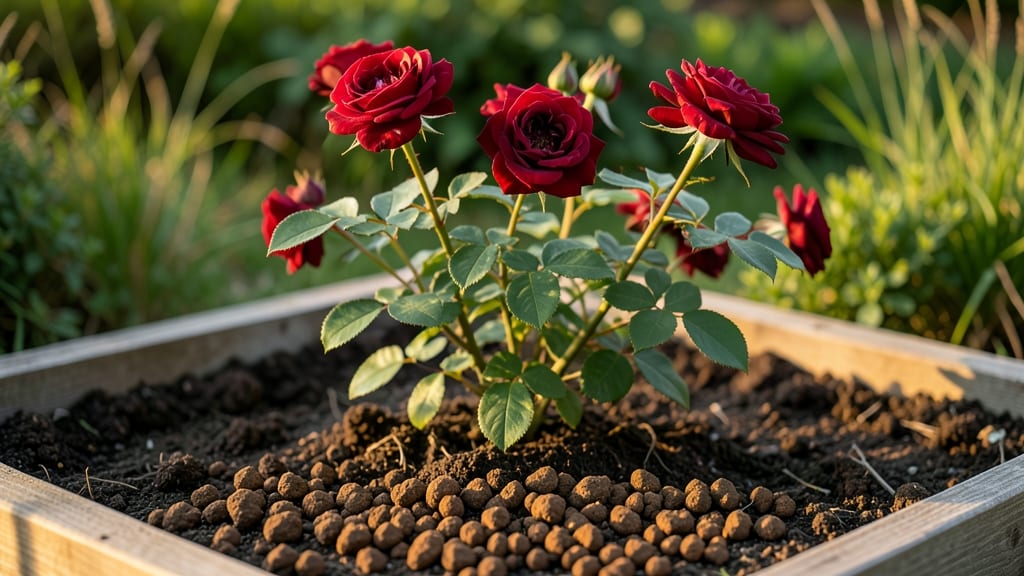
Learn how to increase flowering in rose plants naturally—my garden proved it when last season’s blooms surged 50% after ditching chemicals for simple, science-backed care. 🌹 The secret? Pruning, feeding, and sunlight tricks that coax roses into nonstop that floral explosion.
Pruning isn't about hacking branches—it's about shaping the plant to focus energy on blooms. I'll show you exactly where to cut (and when) to encourage stronger stems and denser clusters. Combine that with organic feeding, and you'll see buds forming where you barely saw leaves before.
By summer's end, your bushes will be covered in blooms instead of sparse stems. The best part? These methods work for hybrid teas, climbers, and even stubborn shrub roses that refuse to cooperate. Let's get those petals popping!
You'll need basic tools—a sharp pair of pruners, organic fertilizer (compost or worm castings work best), and a sunny spot with at least 6 hours of direct sunlight. Most people overlook watering consistency—roses hate soggy roots but also dry spells.
Think of it as a balance: feed them well, water deeply but not daily, and give them space to breathe. The payoff comes in June and July, when your neighbors ask how you got so many blooms.
My bushes now produce continuous flowers from spring until frost, with minimal effort. The key is patience—natural methods take time, but the results last seasons.
Fair warning: you might prune too late or over-fertilize at first. I did both my first year, and while the roses survived, they looked like overgrown bushes instead of floral powerhouses.
But once you nail the timing—prune in late winter/early spring, feed in early spring and midsummer—you'll see the difference immediately. This works for any rose variety in zones 3-9. Whether you're dealing with blackspot-prone bushes or finicky climbers, the same principles apply.
Ready to transform those thorny sticks into a floral masterpiece?
📚 In This Guide
- What you need
- Instructions
- Tips and common mistakes
- Wrapping up and next steps
What you need
- ● Balanced organic fertilizer (e.g., 10-10-10 or compost-based, 5–10 lbs per season). Look for low nitrogen (N) and higher phosphorus (P) and potassium (K) ratios (e.g., 5-10-5) to encourage flowering.
- ● Epsom salt (magnesium sulfate) (1–2 lbs). A tablespoon per gallon of water works wonders for blooms!
- ● Compost or well-aged manure (2–3 gallons). Boosts soil health and microbial activity.
- ● Mulch (straw, wood chips, or pine needles) (2–3 inches thick). Retains moisture and regulates soil temp.
- ● Pruning shears or loppers (sterilized with rubbing alcohol). Sharp, clean blades prevent disease.
- ● Fish emulsion or seaweed extract (for a foliar spray boost). Dilute to 1 tbsp per gallon.
- ● Copper or iron supplements (if leaves look yellow between veins—chlorosis).
- ● Companion plants like basil, marigolds, or garlic to deter pests and improve growth.
- ● pH test kit (ideal range: 6.0–6.5). Adjust with lime (to raise pH) or sulfur (to lower pH) if needed.
- ● Drip irrigation system (to deliver 1–1.5 inches of water weekly, avoiding wet foliage).
Step-by-Step guide to boosting rose blooms naturally
Here’s how I’ve helped roses go from sparse blooms to lush, continuous flowers—no chemicals required.
🌿 Step 1: Prune for Airflow and Light
Start by removing dead, diseased, or crossing branches—these steal energy from blooms. Cut at a 45-degree angle just above an outward-facing bud to encourage new growth. I prune in early spring when buds swell but before leaves unfurl, and again after the first flush of flowers to promote another round.
Thin out crowded canes to improve airflow—this prevents fungal issues like black spot, which weakens plants. Aim for 5-7 strong canes per bush, spaced evenly. If you see suckers (shoots at the base), snip them off immediately—they drain energy from flowering.
☀️ Step 2: Optimize Sunlight and Watering
Roses need 6-8 hours of direct sun daily for maximum blooms. If yours are in partial shade, move them or prune nearby trees. I’ve seen roses in morning sun + afternoon shade still bloom, but the flowers are fewer and smaller.
Water deeply 1-2 times per week (not daily light sprinkles) to encourage deep root growth. The soil should be damp 6 inches down—stick your finger in to check. Overwatering stresses roots and reduces blooms, so always let the top 1-2 inches dry between waterings.
💧 Step 3: Feed with Natural, Balanced Fertilizer
Use a balanced organic fertilizer (like 5-5-5 or 10-10-10) in early spring when new growth starts. I mix it into the soil around the base, not on leaves, to avoid burns. For a natural boost, top-dress with 1-2 inches of compost in spring and again after the first bloom cycle.
Avoid high-nitrogen fertilizers—they produce lush foliage but fewer flowers. Look for labels with equal or higher phosphorus (the middle number) to encourage blooming. I also add a handful of bone meal (high in phosphorus) at planting time for a slow-release boost.
✂️ Step 4: Deadhead and Encourage Repeat Blooms
Snip off spent blooms just above a set of 5 leaves (this is where new flower buds form). I use clean, sharp pruners to avoid tearing stems. Deadheading once a week keeps roses blooming continuously through the season—just don’t cut into old wood.
For hybrid teas and floribundas, also trim back 1/3 of the oldest canes after the first flush to redirect energy. Climbing roses need a different approach: prune lightly after blooms to maintain their structure while encouraging new growth.
🌱 Step 5: Mulch and Protect Roots Year-Round
Spread 2-3 inches of organic mulch (like shredded bark or straw) around the base, keeping it 2 inches away from the stem to prevent rot. Mulch retains moisture, regulates soil temperature, and slowly releases nutrients as it breaks down.
In winter, add an extra 4-6 inches of mulch to insulate roots from freezing. I also wrap young roses in burlap or use rose cones to shield them from harsh winds. Healthy roots = more blooms next season.
Tips & tricks for boosting rose blooms naturally
These simple but game-changing strategies will help you transform your roses into nonstop bloomers.
Pruning Precision: When you're pruning in Step 1, look for buds that face outward—they'll grow into stronger canes. I've found that cutting at a 45-degree angle just above these buds creates a natural water runoff path, preventing rot and encouraging new growth. Use clean, sharp pruners to avoid tearing the bark, which can introduce disease. Remember, those suckers at the base? They're energy vampires—remove them immediately to redirect that energy to your flowers.
Sunlight Strategy: The 6-8 hours of direct sunlight mentioned in Step 2 is non-negotiable for maximum blooms. If your roses are in partial shade, consider moving them to a sunnier spot or pruning nearby trees to increase light exposure. I've noticed that morning sun with afternoon shade still produces flowers, but they're noticeably smaller—so if you want that full, lush look, prioritize full sun exposure. Position your roses where they'll get the most consistent sunlight throughout the day.
Fertilizer Timing: In Step 3, that early spring timing for balanced organic fertilizer is crucial—it gives your roses the phosphorus boost they need when they're starting to grow. I've had the best results using a 5-5-5 or 10-10-10 formula, applied when you see those first buds swelling. Pro tip: Mix the fertilizer into the soil around the base, not on the leaves, to avoid burns. And that bone meal? It's worth the extra step—it provides a slow-release phosphorus boost that encourages strong root development and more abundant blooms.
Deadheading Discipline: The once-a-week deadheading in Step 4 is where the magic happens for continuous blooms. When you snip above those 5 leaves, you're telling the plant, "Keep making flowers!" I've seen roses go from one big bloom to constant flowers just by staying on top of deadheading. For hybrid teas and floribundas, that 1/3 cane trimming after the first flush redirects energy perfectly—just be gentle with climbing roses to maintain their structure.
Pro Tips for Increase Flowering In Rose Plants Naturally
- These simple but game-changing strategies will help you transform your roses into nonstop bloomers.
- Pruning Precision: When you're pruning in Step 1, look for buds that face outward—they'll grow into stronger canes.
- Sunlight Strategy: The 6-8 hours of direct sunlight mentioned in Step 2 is non-negotiable for maximum blooms.
Frequently asked questions
Why aren’t my roses flowering despite following all the care tips?
Even with perfect care, roses might skip flowering due to stress factors like overcrowding, poor drainage, or sudden weather shifts. Check for pests (aphids, spider mites) or fungal issues (black spot). Young roses (1–2 years old) also need time to establish roots before blooming. Be patient—or try a renewal prune to encourage new growth!
When is the best time to prune roses for maximum flowers?
Prune late winter or early spring (just before new growth starts) to remove dead wood and shape the plant. For repeat-blooming roses, do a light trim after the first flush of flowers to promote a second wave. Avoid heavy pruning in fall—it stresses the plant before winter dormancy.
Can I use household items (like coffee grounds or eggshells) to boost flowering?
Yes! Coffee grounds add nitrogen (great for foliage), while crushed eggshells provide calcium for strong stems. Mix them into the soil or compost. For a direct nutrient boost, try a banana peel tea (rich in potassium) or aspirin water (1 crushed aspirin per gallon) to deter diseases and encourage blooms.
How much sun do roses really need to flower well?
Most roses thrive in 6–8 hours of direct sun daily. If yours get partial shade (3–6 hours), they’ll still bloom but may produce fewer flowers. Varieties like ‘Knock Out’ roses tolerate shade better, while hybrid teas and grandifloras demand full sun. Watch for leaf scorch (brown edges) if they’re suddenly getting too much heat.
What should I do if my roses bloom but drop buds before opening?
Bud drop usually signals stress—check for:
Plant lavender (repels pests), garlic or chives (natural fungicide), or marigolds (deter beetles) nearby. Basil near roses can improve flavor if you grow culinary varieties (like ‘Thai basil’). Avoid planting potatoes or fennel—they compete for nutrients and can stunt growth.
Are there companion plants that help roses flower better?
Wrapping up and next steps
Boosting your rose bushes to bloom beautifully is all about patience, consistency, and a little green thumb love! 🌸 With the right mix of pruning techniques, nutrient-rich feeding, and sunlight optimization, your garden will soon be bursting with vibrant flowers.
Remember, every expert gardener started with a single bud—so don’t hesitate to experiment and refine your approach.
Now that you’re armed with these natural tricks, roll up your sleeves and get growing! 🌱 Start by applying one or two methods this week, observe what works best for your roses, and soon, your garden will be the talk of the neighborhood. Happy gardening!