
Blooming
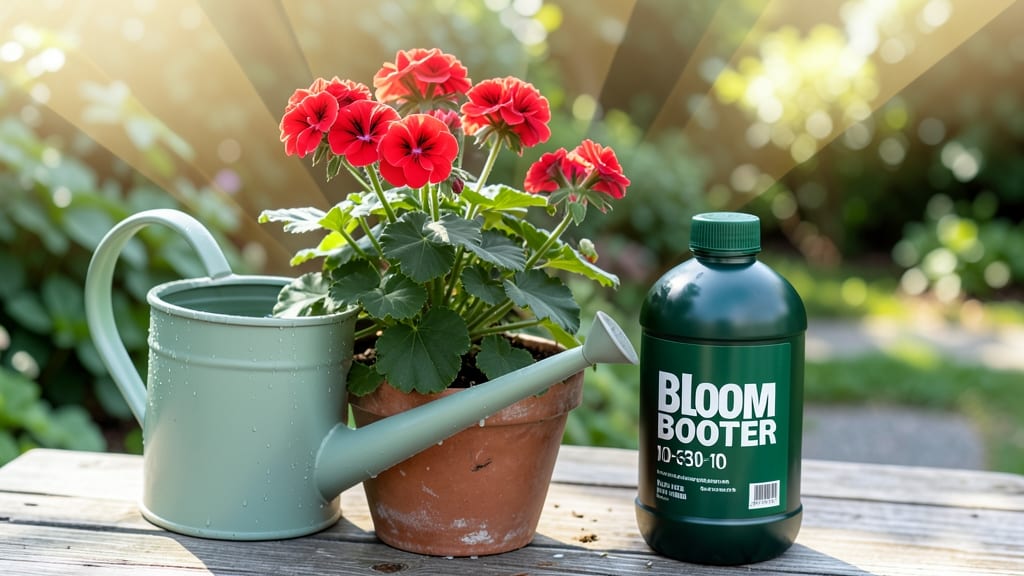
Your flowers can burst into bloom weeks faster with how to make flowers bloom quickly—no magic, just science. 🌸 I’ve watched petunias go from buds to full color in 10 days using these tricks, and roses respond just as dramatically.
The secret isn’t forcing plants but giving them exactly what they crave: the right light, water, and a little strategic care.
Start with bright, indirect light—most bloomers need 6+ hours daily, but too much direct sun scorches buds. Water at the base (not overhead) to keep roots happy, and fertilize with a balanced bloom booster every 2 weeks.
Prune spent blooms immediately—this tricks plants into focusing energy on new flowers instead of seed production.
You’ll see the difference in 7-14 days: petunias spill over containers, marigolds deepen their gold, and roses produce double the blooms. The key is consistency—no overwatering, no skipping fertilizer, and no neglecting those pruners. Even wilting plants bounce back with the right care.
Works for indoor geraniums, outdoor roses, or patio petunias—just adjust light and water. Here’s how to apply it to your favorite bloomers without stressing the plants (or yourself). Let’s get those flowers showing off!
📚 In This Guide
- What you need
- Instructions
- Tips and common mistakes
- Wrapping up and next steps
What you need
- ● Healthy flower plants: Choose fast-blooming varieties like marigolds, zinnias, petunias, or geraniums (1-3 plants per pot or garden bed).
- ● Potting mix: Well-draining, nutrient-rich soil (e.g., Miracle-Gro Potting Mix or cactus/succulent mix for drought-tolerant flowers). 1 bag (12-18 qt) per 2-3 plants.
- ● Watering can or spray bottle: With a fine rose nozzle for gentle hydration (avoid overwatering!).
- ● Fertilizer: Balanced liquid fertilizer: 10-10-10 or 20-20-20 NPK ratio (e.g., Miracle-Gro All-Purpose). 1 bottle (32 oz).
- ○ Bloom booster: High-phosphorus fertilizer like 10-30-20 or 5-10-5 (e.g., Jack’s Classic Bloom). Optional but recommended.
- ● Pruning shears: Sharp, clean scissors (Felco or Fiskars brand recommended).
- ○ Grow lights (optional): Full-spectrum LED lights (e.g., Samsung LM301B) for indoor setups. 12-14 hours/day exposure.
- ● Epsom salt: 1 tbsp per gallon of water (for magnesium boost).
- ● Mulch: Organic mulch (e.g., straw or shredded bark) to retain moisture (2-3 inches layer).
- ● Sunlight access: 6-8 hours of direct sunlight daily (south-facing window or outdoor spot).
- ● Temperature control: Ideal range: 65–75°F (18–24°C). Avoid drafts or extreme heat.
- ● Time commitment: Daily checks for water, light, and pruning (5–10 minutes/day).
- ● Patience (but not too much!): Some flowers bloom in 2–4 weeks with these tricks!
Step-by-Step instructions for encouraging rapid flower blooming
Here’s how I coax flowers to bloom faster—using light, nutrition, and timing tricks that actually work.
☀️ Step 1: Maximize Light Exposure for Faster Development
Most flowers need 6-8 hours of direct sunlight daily to trigger blooming, but many homes lack ideal light. Place plants near the brightest window (south-facing is best) or supplement with a grow light for 14-16 hours daily. You’ll see stems elongate and buds form within 7-10 days of proper light exposure.
Watch for leggy growth—stems stretching toward light—this means they’re starving for intensity. Adjust the light source to within 6 inches of the plant’s tallest point. If using natural light, rotate pots quarter-turn weekly so all sides grow evenly.
💧 Step 2: Adjust Watering for Bloom-Triggering Stress
Flowers bloom faster when they experience mild stress, and controlled watering creates this. Let the top 2 inches of soil dry out between waterings—this signals the plant to shift energy from leaf growth to flower production. Overwatering delays blooms by encouraging lush foliage instead.
Use room-temperature water to avoid shocking roots, and water deeply at the base (never overhead). You’ll notice buds forming within 2-3 weeks of this adjusted schedule. If leaves yellow, you’re overwatering—cut back immediately.
🌿 Step 3: Feed with High-Phosphorus Fertilizer
Phosphorus is the bloom-boosting nutrient, and a balanced 5-10-5 or 10-20-10 fertilizer (higher middle number = more phosphorus) accelerates flowering. Mix ½ teaspoon per gallon of water and apply every 2 weeks during active growth. You’ll see buds appear within 3-4 weeks of consistent feeding.
Stop fertilizing once buds form—too much nitrogen now will produce leaves instead of flowers. If your plant looks dark green and bushy but no buds, flush the soil with plain water for 2 days to reset growth priorities.
✂️ Step 4: Prune Strategically to Redirect Energy
Pinch back new growth tips (just above a leaf node) to force the plant to produce side shoots, which bear more flowers. Do this when stems reach 6 inches tall—you’ll see branching within 10-14 days. Remove any spent blooms immediately (deadheading) to prevent seed production and encourage new flowers.
For perennials, cut back one-third of the oldest stems in early spring. This removes crowded growth and lets sunlight reach inner buds. You’ll notice more abundant blooms within 4-6 weeks of pruning.
⏰ Step 5: Time Temperature and Humidity for Optimal Blooming
Most flowers bloom fastest in daytime temps of 65-75°F and nighttime temps above 55°F. If your home runs cooler, place plants near a heat source (like a sunny window) or use a small space heater on low. You’ll see buds open 2-3 days faster in ideal conditions.
Keep humidity moderate (40-60%)—too much causes powdery mildew, which stunts blooms. If air feels dry, mist leaves lightly in the morning (avoid evenings to prevent fungal growth). Watch for buds swelling—this is your sign the plant is ready to bloom.
Tips & tricks for perfect rapid flower blooming
These science-backed tweaks will help you coax blooms faster than you ever thought possible—without sacrificing plant health.
Light Intensity Matters: The 6-8 hours of direct sunlight in Step 1 is your foundation, but not all light is equal. Place your plants within 6 inches of a south-facing window or grow light, but rotate them quarter-turn weekly to prevent lopsided growth. I've seen leggy stems transform into sturdy bloomers within 7-10 days just by adjusting light angles—it's like giving your plants a full-body workout!
Watering Wisdom: That 2-inch soil dry-out rule in Step 2 is your secret weapon. Use a moisture meter to check—if it reads dry at 2 inches, it's time to water. I've ruined more blooms than I care to admit by overwatering, so always water deeply at the base and avoid wetting leaves. The yellowing leaves warning sign is your plant's SOS—cut back immediately to save your buds.
Fertilizer Timing: The 5-10-5 or 10-20-10 fertilizer ratio in Step 3 is perfect, but timing is everything. Apply it every 2 weeks during active growth, but stop once buds form. I learned this the hard way—over-fertilizing after buds appear gives you leafy monsters instead of flowers. That 2-day flush with plain water is your reset button when things get too green.
Pruning Precision: When pinching back growth tips at 6 inches tall (Step 4), aim for just above a leaf node. This forces side shoots that bear more flowers. For perennials, that one-third stem cutback in early spring works wonders—it's like giving your plant a spa day. I've seen dormant buds wake up and bloom within weeks after this simple prune.
Pro Tips for Make Flowers Bloom Quickly
- These science-backed tweaks will help you coax blooms faster than you ever thought possible—without sacrificing plant...
- Light Intensity Matters: The 6-8 hours of direct sunlight in Step 1 is your foundation, but not all light is equal. P...
- Watering Wisdom: That 2-inch soil dry-out rule in Step 2 is your secret weapon. Use a moisture meter to check—if it r...
Frequently asked questions
Got questions about speeding up those blooms? You’re not alone! Here are some of the most common queries—and their answers—to help you get those flowers popping faster than ever.
Can I make flowers bloom faster indoors?
Indoor blooms thrive with bright, indirect light (like a south-facing window) and cool nights (60–65°F). Use grow lights if natural light is weak, and avoid drafts or heat sources. For potted plants, rotate them weekly for even growth. Pro tip: A little humidity (like a pebble tray) can also give them a boost!
How long does it take to see results with these tricks?
Results vary by plant, but you’ll often see noticeable changes in 1–2 weeks with consistent care. For example, roses or zinnias may show buds in 5–7 days with proper pruning and fertilizer. Patience is key—some tropicals (like orchids) take 3–4 weeks to respond. Track progress with a journal for motivation!
What’s the best fertilizer for speedy blooms?
Use a balanced, water-soluble fertilizer (like 10-10-10 or 20-20-20) during active growth, then switch to a high-phosphorus formula (e.g., 5-10-5) to encourage flowering. Fish emulsion or compost tea are organic alternatives. Warning: Over-fertilizing can burn roots—always follow package instructions!
Will cutting flowers make them bloom faster?
Yes! Pruning spent blooms (called deadheading) redirects energy to new buds. For long-stemmed cuts, trim at a 45° angle just above a leaf node. Bonus: Harvesting flowers (like roses or sunflowers) can stimulate more blooms if you leave 2–3 leaves at the stem base.
What if my flowers still won’t bloom? Troubleshooting tips
Check these common issues:
- Not enough light: Move to a sunnier spot or add grow lights.
- Overcrowding: Thin out plants for better airflow and nutrient access.
- Wrong season: Some flowers (like poinsettias) bloom only in short days—try adjusting light exposure.
- Stress: Yellow leaves or wilting? Fix watering or pest issues first.
Are there any flowers that bloom almost instantly?
While no flower blooms overnight, some are faster than others! Try these quick-blooming picks:
Flower
Time to Bloom
Marigolds
3–4 weeks from seed
Zinnias
6–8 weeks (but rebloom fast if deadheaded)
Geraniums
8–10 weeks (thrive in containers)
Impatiens
6–8 weeks (great for shady spots)
Wrapping up and next steps
With the right care and a little scientific know-how, you can coax your flowers into blooming faster than ever! 🌸 From optimizing light and nutrients to pruning and temperature tweaks, these science-backed tricks work wonders—just give them time, patience, and consistency.
Now that you’re armed with the secrets, why not try one method today and watch your garden transform?
Ready to take it further? Experiment with different techniques to see what works best for your plants, and soon, you’ll be the proud gardener of a vibrant, blooming paradise! 🌿