
Blooming
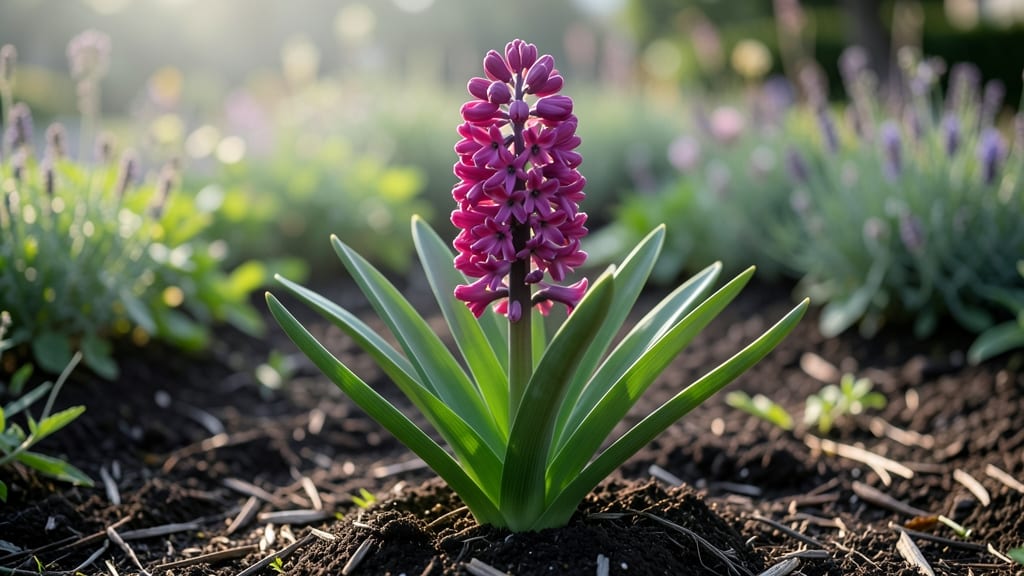
Hyacinths bloom in late winter to early spring 🌷, turning your garden into a fragrant masterpiece—but getting the timing right depends on more than just the calendar.
Picture this: You’ve waited months for those signature purple, pink, or white spikes to appear, only to find your hyacinths blooming weeks late—or worse, not at all. The secret lies in understanding how your USDA zone and bulb variety dictate when those first flowers will pop.
From the earliest bloomers like ‘Annette’ to late-season stars like ‘Delft Blue,’ each type has its own schedule. Throw in factors like soil temperature, sunlight, and even last year’s care, and you’ve got a puzzle worth solving.
Here’s how to predict your hyacinth bloom time by variety and zone, plus pro tips to ensure your bulbs deliver their best show—right when you want it.
Hyacinth bloom time by variety: when to expect flowers
Hyacinths are spring's fragrant superstars, but their bloom time varies dramatically by variety. Some burst into color as early as late February, while others wait until May. Understanding these differences lets you plan your garden for a sequential color show from winter's end to summer's start.
The key lies in their genetic chilling requirements—some need deep winter dormancy, while others bloom earlier with minimal cold exposure.
For gardeners in USDA Zones 5-8, most hyacinths bloom between March and April, but timing shifts based on your local frost dates and the specific cultivar. Early bloomers like 'Jan Bos' can appear in February in mild climates, while late varieties like 'Woodstock' may wait until May.
Let's break down the bloom windows for 12 popular varieties so you can strategically plant for a prolonged display.
The summary-table below organizes hyacinths by bloom period—early, mid, and late—along with their height, color, and fragrance intensity. Use this as your guide to mix varieties for a continuous parade of blooms from late winter through early summer.