
Blooming
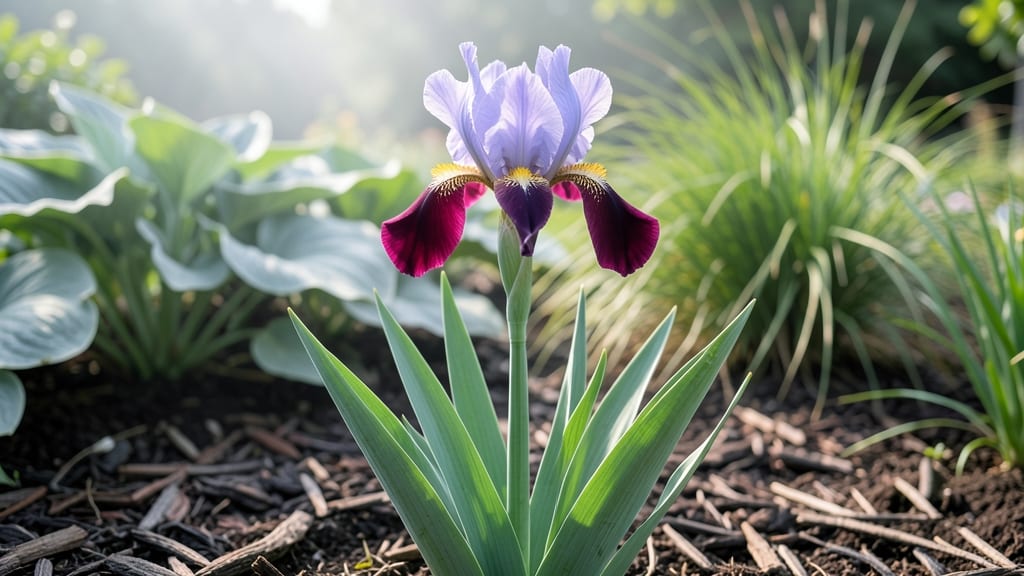
Understanding the iris bloom time is the secret to unlocking a garden that bursts into color every spring—no matter how many winters your 🌸 plants have weathered.
Picture this: You’ve just tucked your irises into the soil in late summer, and by spring, they seem to vanish—only to reappear with dramatic, sword-like leaves and stunning blooms that last for weeks. The magic? It’s all in the timing, and frost plays a bigger role than most gardeners realize.
Most irises bloom between early and mid-spring, but the exact window depends on your variety, climate, and how well they’ve recovered from winter. In USDA Zone 6a, for example, Siberian irises often bloom earlier than their bearded cousins, while Dutch irises might push the season just a little later.
Below, I’ll break down exactly when to expect those iconic blooms, how to coax your irises into reblooming after frost, and the simple care tweaks that turn a "maybe" spring into a guaranteed showstopper.
Iris bloom time by variety: when to expect flowers and key seasonal triggers
If you've ever waited eagerly for your irises to bloom, only to be disappointed by late or inconsistent flowers, you're not alone. Iris bloom time varies dramatically by variety, and understanding these differences is the secret to planning your garden's spring showcase.
Most gardeners assume irises bloom in early spring, but Siberian irises often surprise with late summer blooms, while Japanese irises prefer cooler, wetter conditions that may delay their display until early summer.
The key to predicting iris bloom time lies in two factors: variety-specific genetics and climate zone triggers. For example, bearded irises typically bloom in late spring (April-May in most of the U.S.), but their exact timing shifts 2-3 weeks earlier in USDA Zone 8 compared to Zone 5.
Meanwhile, Dutch irises—often grown as annuals—bloom 3-4 weeks earlier than their perennial cousins, making them perfect for forcing indoors.
Here's where it gets fascinating: frost resilience plays a crucial role. Most irises require winter chilling (40-60°F for 6-8 weeks) to trigger blooming. In warmer zones (USDA 9-10), gardeners often see delayed or reduced blooms because the plants don't get enough cold exposure.
The solution? Plant reblooming varieties like 'Blue Flag' bearded iris or use artificial chilling techniques for container-grown plants.
Let's break down the bloom windows for the four most popular iris types, including how to adjust your expectations based on your USDA hardiness zone. This comparison will help you plan companion plants and garden layouts for maximum visual impact.
| Variety | Primary Bloom Window (USDA 5-7) | Rebloom Window (If Applicable) | Frost Resilience | Zone Adjustments |
|---|---|---|---|---|
| Bearded Iris | Late April - Early May | July-August (rebloomers only) | High (survives -30°F) | Zone 8: 3 weeks earlier; Zone 3: 2 weeks later |
| Siberian Iris | Late June - July | None (single bloom) | Moderate (survives -40°F) | Zone 9: May-June; Zone 4: July-August |
| Japanese Iris | Early June - Late June | None (single bloom) | Low (survives -10°F) | Zone 7: May; Zone 5: July |
| Dutch Iris | March - April (forced) or April-May (outdoor) | None (annual cycle) | Low (survives -20°F briefly) | Zone 10: February-March; Zone 6: April-May |
Notice how Japanese irises bloom earlier in warmer zones than in cooler ones—a complete reversal of the typical pattern. This happens because they prefer cooler summer temperatures (ideal blooming range: 65-75°F).
If you're in USDA Zone 9 or 10, consider planting them in partial shade to mimic their native conditions and encourage earlier blooming.
The reblooming phenomenon in bearded irises is particularly magical. While most varieties bloom just once, reblooming cultivars like 'Imagination' or 'Shepherd's Crown' produce a second flush of flowers 60-75 days after the first bloom. The secret?
These varieties require consistent moisture during summer and fertile soil rich in organic matter. In my Zone 6 garden, I've seen reblooms extend the show until mid-August—a full 3 months longer than standard varieties!
One common misconception is that all irises bloom in spring. Siberian irises are the exceptions—they wait until late June or July to put on their show, often when many other perennials have already faded.
This makes them perfect for cut flower arrangements when other blooms are scarce. For maximum impact, plant them near late-summer bloomers like black-eyed Susans or Russian sage to create a seamless transition.
For gardeners in USDA Zones 3-4
How to encourage reblooming irises after frost: pruning, fertilizing, and care tips
After a harsh winter, your irises might look like they’ve given up—but with the right care, they’ll bounce back stronger than ever. The key to encouraging reblooming lies in understanding iris bloom time and how frost impacts their growth cycle.
Unlike many perennials, irises store energy in their rhizomes, which means they can recover if given the proper post-frost attention.
First, resist the urge to prune back all the foliage immediately after frost. While it’s tempting to tidy up, leaving the yellowing leaves until late spring allows the plant to continue photosynthesizing and storing energy for next year’s blooms.
This simple step can make a huge difference in your iris bloom time.
Wait until mid-June to cut back dead foliage. This timing ensures your irises have fully recharged their rhizomes for the next blooming season. Use clean, sharp shears to trim leaves 2-3 inches above the rhizome—never lower, or you risk damaging next year’s flower buds.
Once new growth appears in early spring, it’s time to fertilize. Irises thrive on a balanced fertilizer with a ratio like 5-10-10. Apply it when you see the first signs of fresh foliage, typically in March or April, depending on your climate zone.
A light feeding in late summer (around August) also encourages stronger root development for next year’s blooms.
Watering plays a crucial role in iris bloom time recovery. After frost, aim for deep watering once a week in the morning to prevent fungal issues. Avoid overhead watering, which can weigh down the leaves and promote rot.
Instead, water at the base of the plant to keep the rhizomes healthy and ready to produce flowers.
Don’t forget about soil health! Irises prefer well-draining, slightly alkaline soil (pH 6.0-7.0). If your soil is heavy or compacted, amend it with compost or sand to improve drainage. This simple step helps prevent root rot and ensures your irises have the energy they need to rebloom beautifully.
With these care tips, your irises will reward you with vibrant blooms year after year. Patience and proper timing are key—especially when it comes to pruning and fertilizing. Give them the attention they deserve, and you’ll enjoy a stunning display of color that rivals even the earliest spring blooms! 🌸