
Blooming
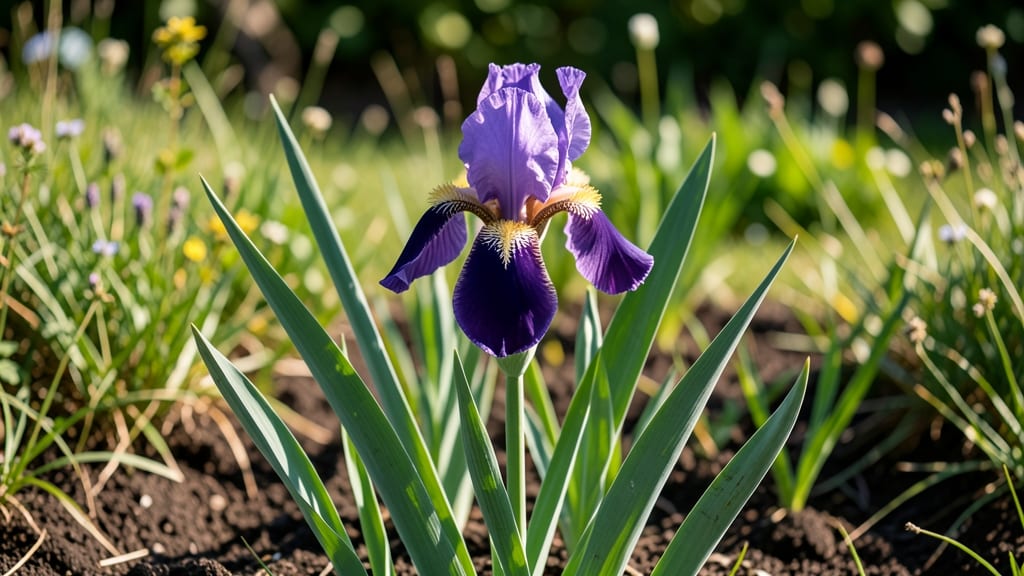
Irises do not bloom every year—most varieties bloom once per season, typically in late spring, though reblooming types (like Louisiana irises) may flower twice. Blooming frequency depends on the species, climate, and care, with some taking a seasonal rest to conserve energy for future growth.
Most irises follow a natural cycle where they focus their energy on root and foliage growth rather than flowering annually. 🌸 This seasonal rhythm helps them survive harsh winters or dry spells, especially in cooler climates where growth slows dramatically.
Louisiana irises are the exception—they thrive in warmer zones and can produce two stunning displays per year if given proper care, including consistent moisture and balanced fertilization.
Understanding your specific iris variety is key—bearded irises, for example, rarely rebloom naturally, while Siberian irises might surprise you with a second flush under ideal conditions. The right pruning timing and nutrient balance can make all the difference between a single spring show and multiple blooming seasons.
💡 In This Article
- Why Most Iris Varieties Bloom Just Once Per Season
- How to Encourage Reblooming in Iris Plants
Why most iris varieties bloom just once per season
Irises follow a biological rhythm where their energy shifts between growth phases. During late spring blooming, the plant allocates resources to produce flowers and seeds, but this process drains its reserves.
After flowering, irises enter a restorative phase where they focus on building root systems and storing nutrients for next year. This cycle is especially pronounced in bearded irises, which prioritize underground growth over repeat blooming.
The root system plays a crucial role in this pattern. Iris roots store carbohydrates like starches and sugars, which serve as energy reserves. When temperatures drop or daylight shortens (typically in late summer), these roots enter a dormancy period lasting 6-8 weeks.
This dormancy conserves energy for spring regrowth, making annual blooming more sustainable than frequent flowering. In USDA zones 3-6, this cycle is particularly strict due to colder winters.
Climate zones significantly influence blooming patterns. Louisiana irises, for example, thrive in zones 7-9 and can rebloom because their warmer environment allows continuous growth. Meanwhile, Siberian irises in zones 3-7 may produce a second flush of blooms if given proper care, as they're better adapted to cooler temperatures.
The key difference lies in how each variety balances photosynthesis and energy storage during different seasons.
Light exposure triggers these cycles. Most irises need 6-8 hours of direct sunlight daily to bloom well, but excessive heat or drought stress can disrupt their natural rhythm. When summer temperatures exceed 85°F for prolonged periods, many irises shut down flowering to prevent dehydration.
This is why gardeners in hot climates must provide afternoon shade and consistent moisture to encourage even a single seasonal bloom.
Another factor is the plant's age. Young iris rhizomes (the thick, fleshy roots) focus entirely on establishing themselves before flowering. It typically takes 2-3 years for a new plant to produce its first bloom.
Older rhizomes, however, may produce multiple flower stalks in a single season if they've built sufficient reserves, though this still usually happens just once per year.
Consider this comparison: A bearded iris might produce 5-10 flower stalks in its first bloom, then go completely dormant, while a Louisiana iris could produce 3-5 stalks twice annually under ideal conditions.
The trade-off is clear—annual bloomers invest heavily in root development, while rebloomers spread their energy more thinly across multiple cycles.
What most gardeners don't realize is that even reblooming varieties often need a 4-6 week rest period between bloom cycles to recharge. Skipping this rest by over-fertilizing or overwatering can lead to weak, sparse blooms or even no flowers at all.
The plant's wisdom lies in this careful balance between growth and reproduction.