
Pests
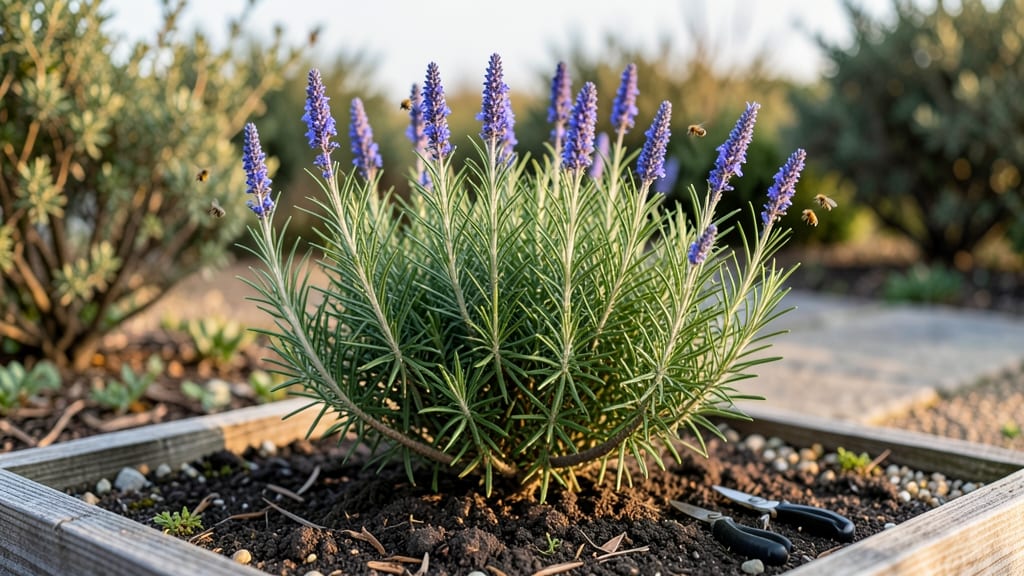
Rosemary can be harmful to cats when they ingest large amounts, as its essential oils—like eucalyptol and camphor—may trigger vomiting, diarrhea, and even neurological issues. While small accidental exposures are usually harmless, it's best to keep this herb out of their reach.
Cats process essential oils differently than humans because their livers metabolize compounds like eucalyptol and camphor much more slowly. 🐱 Even small amounts can cause digestive upset or lethargy, though severe reactions are rare.
The key risk factor is quantity—what might be safe for you could be dangerous for your curious feline. I recommend using cat-safe alternatives like catnip or wheatgrass if you want to grow herbs at home.
If your cat shows signs of distress after exposure—like drooling, tremors, or loss of coordination—contact your vet immediately. Most cases resolve with supportive care, but early intervention is crucial.
For gardeners, planting rosemary in hanging pots or elevated planters can help minimize accidental ingestion while still letting you enjoy its fragrance.
💡 In This Article
- Toxicity Mechanisms in Rosemary for Feline Health
- Cat-Safe Herbs and Rosemary Alternatives for Gardens
Toxicity mechanisms in rosemary for feline health
The core danger of rosemary for cats lies in its essential oils, particularly eucalyptol (1,8-cineole) and camphor, which make up about 20-30% of the plant's volatile compounds.
These oils act as central nervous system depressants in cats because their livers lack the enzymes (like cytochrome P450 2E1) needed to metabolize them efficiently. In humans, these compounds are processed differently, allowing us to tolerate rosemary in cooking without issues.
Cats metabolize eucalyptol at a rate 3-5 times slower than humans, leading to higher blood concentrations that can trigger vomiting, lethargy, or even tremors.
The LD50 threshold (lethal dose for 50% of test subjects) for rosemary essential oil in cats is estimated at just 0.5-1.0 mL per kg of body weight—meaning a 5 kg (11 lb) cat could experience toxicity from ingesting as little as 2.5-5 mL of concentrated oil.
Even fresh leaves contain enough oil to pose risks if eaten in large quantities.
The liver's role is critical here: cats' hepatic systems convert these oils into toxic byproducts like 1,8-cineole epoxide, which damages cellular membranes. This explains why some cats develop hepatic lipidosis (fatty liver disease) after repeated exposure.
The nervous system depression occurs because these oils interfere with GABA receptors, similar to how some sedatives work—but without the controlled dosage.
Sensory clues can help identify potential issues: if your cat shows excessive drooling, dilated pupils, or uncoordinated movements after nibbling plants, these are red flags. The aroma itself (which we find pleasant) can be overwhelming for cats, whose sense of smell is 14 times more sensitive than ours.
This heightened sensitivity makes even small exposures more impactful.
Consider this comparison: while humans might safely consume 1-2 teaspoons of dried rosemary in cooking, a cat's equivalent would be just 1/8 teaspoon—about the amount on a single sprig. The difference in tolerance highlights why pet-safe gardening practices are essential for multi-pet households.
For context, studies on feline essential oil toxicity published in the Journal of Veterinary Internal Medicine show that even 0.1 mL of eucalyptol can cause clinical signs in cats weighing 4.5 kg (10 lbs).
This underscores why accidental ingestion—like a curious cat knocking over a rosemary pot—should never be dismissed as harmless.