
Blooming
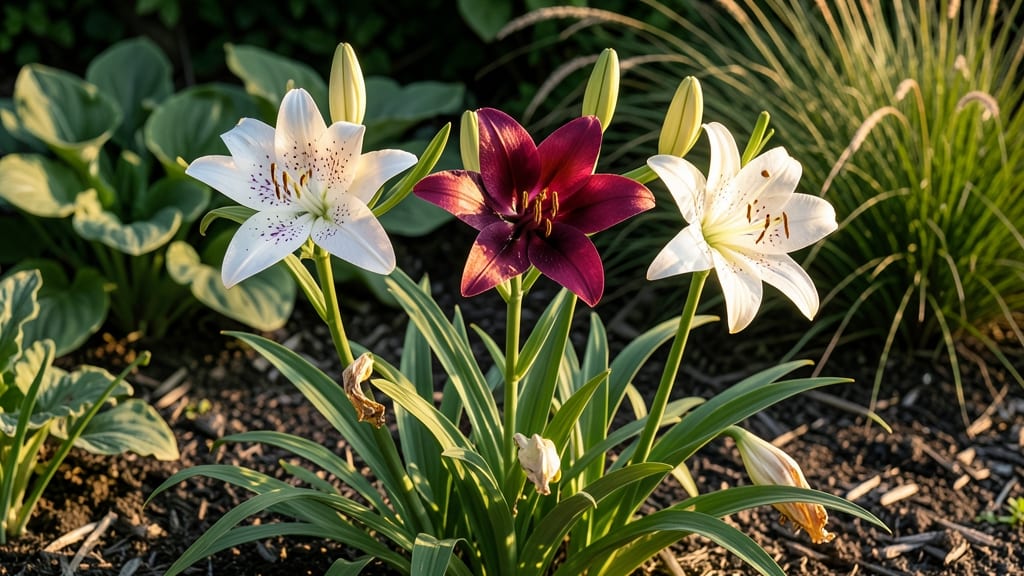
The lily bloom season transforms your garden into a parade of color—but only if you know when to expect those showstopping 🌸 moments and how to stretch them longer.
Picture this: a single Asiatic lily lighting up your yard in June, followed by a second wave of Trumpet lilies in August. Most gardeners miss the second act because they don’t realize variety timing is everything.
Some lilies bloom once and call it quits, while others—with the right care—can put on a repeat performance.
In this guide, I’ll break down the peak bloom windows for your favorite lilies (from early spring Asiatics to late-summer Orientals), plus the three key tricks to coax extra flowers—no matter your USDA zone.
Whether you’re in Zone 6a or further south, you’ll learn how sunlight, soil, and deadheading work together to turn a one-time burst into a season-long display.
Ready to turn your lilies into garden superstars? Let’s dive into the exact timing and care secrets that keep them blooming longer than ever.
Lily bloom season by variety: timing and color codes for peak flowers
Lilies are nature’s fireworks—each variety bursts into bloom at different times, creating a cascading display from early summer to late fall. Asiatic lilies kick off the show in June and July, while Oriental lilies peak in July and August with their intoxicating fragrance. Trumpet lilies shine brightest in mid-to-late summer, and Daylilies offer a prolonged summer-to-fall spectacle.
Understanding these timelines lets you plan your garden like a pro, ensuring no dead zones between blooms.
Color trends matter too! Asiatic lilies dominate with vibrant pinks, oranges, and yellows, while Oriental lilies bring deep purples, whites, and rich reds. Trumpet lilies often feature bold reds and golden hues, and Daylilies offer every color under the sun, including rare blues and blacks.
Pairing varieties by bloom time and color creates a nonstop rainbow in your garden.
Regional adjustments are key—USDA zones 3-5 see lilies bloom 2-3 weeks later than zones 8-10.
For example, Asiatic lilies in zone 4 may wait until late June, while zone 9 gardens enjoy them by mid-June. Oriental lilies in cooler zones might bloom in August instead of July. Always check your last frost date—most lilies need consistent warmth before flowering.
Here’s your quick-reference guide to lily bloom seasons, color codes, and regional tweaks:
For Asiatic lilies, early bloomers like 'Yellow Magic' and 'Red Fox' often start in late May in warm zones, while 'Stargazer' (an Oriental) waits until mid-July for its fragrant purple blooms. Trumpet lilies such as 'Regale' (golden trumpet) peak in August, while Daylilies like 'Happy Returns' rebloom every 2-3 weeks from summer to frost.
Pro tip: Plant Asiatic lilies first for early color, followed by Oriental lilies and Trumpet varieties to stagger blooms. Daylilies are the workhorses of reblooming—choose reblooming cultivars like 'Pardon Me' (pink) or 'Happy Returns' (yellow) for nonstop summer-to-fall flowers.
Mix heights too: dwarf Daylilies (12–18 inches) pair well with tall Trumpet lilies (3–6 feet).
In cooler climates (zones 3-5), extend the season by planting Oriental lilies in south-facing beds where they get extra warmth. Mulch heavily in fall to protect bulbs from early frost, which can stunt next year’s blooms. In hot zones (8-
How to trigger repeat blooms in lilies: pruning, deadheading, and seasonal tricks
Lilies reward patient gardeners with stunning, repeat blooms—if you know the right triggers. Most varieties produce one main flush of flowers, but with strategic pruning, deadheading, and seasonal care, you can coax a second (or even third!) bloom cycle.
The secret lies in balancing energy between foliage growth and flower production, while avoiding common pitfalls like over-pruning or nutrient imbalances.
For hybrid lilies (Asiatic, Oriental, Trumpet), timing is everything. These varieties need 6-8 weeks of foliage growth after their first bloom to store energy for reblooming. Meanwhile, Daylilies (Hemerocallis) are more forgiving, often reblooming naturally if given proper soil nutrition and water.
Let’s break down the exact steps to extend your lily bloom season—without sacrificing plant health.
Your Step-by-Step Guide to Repeat Lily Blooms
- 1 Deadhead spent blooms immediately—but leave the seed pod intact. This redirects energy from seed production to foliage growth, which fuels future blooms. Use clean, sharp pruners to avoid damaging stems.
- 2 Prune foliage strategically: After blooming, trim only wilted leaves—never more than 1/3 of the plant. For hybrid lilies, wait until 6-8 weeks post-bloom before removing any remaining foliage to ensure energy storage. Daylilies can handle slightly earlier pruning.
- 3 Fertilize with phosphorus and potassium in a 10-10-10 or 5-10-10 ratio to boost root and flower development. Apply 1 tbsp per plant every 4-6 weeks during the growing season (spring to early fall), but avoid nitrogen-heavy fertilizers after mid-summer.
- 4 Water deeply but infrequently: Aim for 1 inch of water per week, delivered in the morning to reduce fungal risks. Reduce watering in late summer to encourage dormancy and energy storage for next season’s blooms.
- 5 Mulch with compost or aged bark to retain moisture and regulate soil temperature. A 2-3 inch layer also suppresses weeds and adds organic matter, which improves soil structure over time for better nutrient uptake.
- 6 Divide clumps every 3-5 years to prevent overcrowding, which reduces bloom quality. Dig up bulbs in early fall or spring, separate offsets, and replant with fresh compost for a nutrient boost. This rejuvenates plants and often triggers more vigorous reblooming.
One of the biggest mistakes gardeners make is pruning too aggressively after the first bloom. Hybrid lilies, in particular, need that foliage to photosynthesize for 6-8 weeks to build energy reserves. If you cut back stems too soon, you’ll starve the plant and eliminate any chance of reblooming.
For Daylilies, you’ve got a little more flexibility—they’re hardier and often reward you with spontaneous second blooms if given consistent care.
For maximum impact, combine these steps with seasonal adjustments. In spring, focus on light feeding and watering to encourage new growth. By mid-summer, shift to lower nitrogen fertilizers to promote flowering.
And in fall, reduce watering to prep plants for dormancy, ensuring they’ll bounce back stronger next year. With these tricks, your lilies could bloom twice (or even three times!) in one season—turning a single burst of color into a year-long garden highlight. 🌸
Pro tip: Keep a gardening journal to track which varieties rebloom best in your climate. Some Oriental lilies and