
Blooming
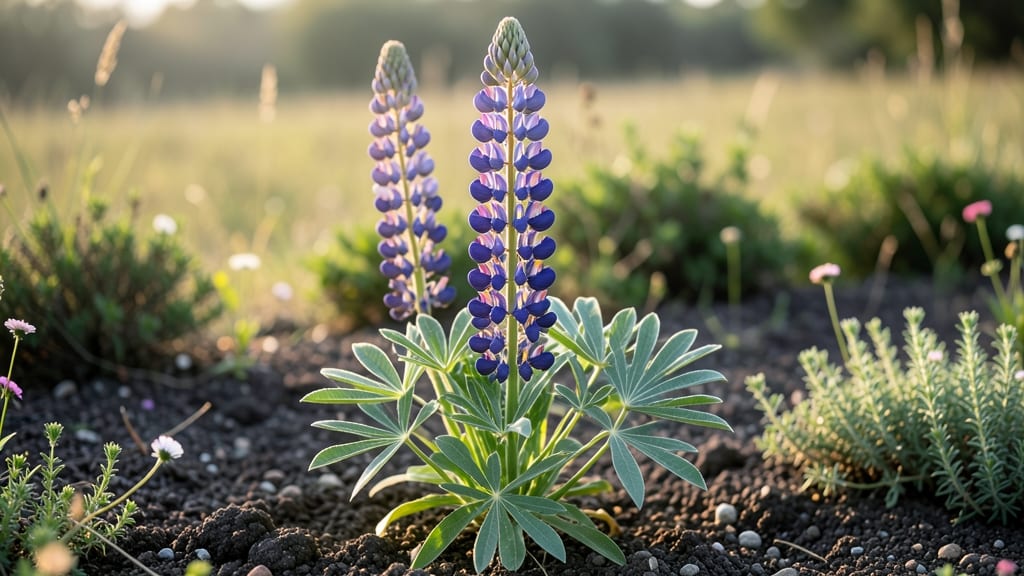
Lupines bloom in spring and summer 🌸 when they’ve had enough cold exposure to trigger their stunning floral displays, but timing varies wildly by variety and climate.
Wondering why your lupines refuse to bloom when they should—or how to coax them back after a late frost? Understanding lupine bloom time isn’t just about patience; it’s about mastering the delicate balance of heat, light, and cold exposure that unlocks their showstopping colors.
In Zone 6a, most lupines kick off blooms in late spring, but some varieties wait for summer’s heat to fully open. Annual lupines like Lupinus texensis often bloom faster than perennials, which need cold stratification to break dormancy.
Meanwhile, a late frost can set blooms back for weeks—sometimes even killing off tender buds.
Below, I’ll break down exactly when to expect blooms by variety, how to protect them from frost damage, and 5 pro tips to extend their flowering season—so you can enjoy those iconic spikes of color for as long as possible.
Lupine bloom time by variety: heat requirements & seasonal triggers
Lupines are stunning garden perennials, but their bloom times vary dramatically depending on the variety and temperature triggers. Some varieties burst into color in early spring, while others wait for summer heat to trigger their floral displays.
Understanding these differences helps you choose the right lupines for your climate and maximize their blooming potential.
The key to unlocking lupine blooms lies in their vernalization requirements—a process where cold exposure signals the plant to flower. Annual lupines like Lupinus texensis often bloom earlier, while perennials like Lupinus polyphyllus may need a full winter's chill before producing their iconic spikes.
Let's break down how heat and cold shape their bloom cycles.
🌱 Comparison Table: Lupine Bloom Time by Variety
Annual lupines like Lupinus texensis (Texas bluebonnet) thrive in warmer climates and often bloom as early as late winter or early spring, provided they receive consistent moisture.
These varieties are less dependent on cold stratification and will flower within 60-90 days of planting, making them ideal for gardeners in USDA Zones 7-10.
Perennial lupines, however, require a more structured temperature cycle. For example, Lupinus polyphyllus (Russell lupine) needs 6-8 weeks of cold stratification before it will produce its signature purple-blue flower spikes in late spring.
If you live in a warmer zone, you can mimic this process by refrigerating seeds for 6 weeks before planting.
Some varieties, like Lupinus 'My Castle', wait until summer heat to bloom, often producing their second flush of flowers in July or August. These late bloomers require consistent warmth and may struggle in cooler climates.
If you're in Zone 5 or below, consider growing them in containers so you can move them to a sheltered spot during unexpected cold snaps.
Heat tolerance varies widely among lupines. While most varieties thrive in 60-80°F temperatures, some like Lupinus 'My Castle' can handle up to 90°F without stress. However, prolonged exposure to temperatures above 85°F can cause buds to drop prematurely.
To prevent this, provide afternoon shade during peak summer months and ensure the soil remains consistently moist but not waterlogged.
For gardeners in cooler climates, understanding the vernalization process is crucial. Lupines need a period of cold to break dormancy and trigger flowering. If your winters are mild, you may need to artificially stratify seeds by placing them in a plastic bag
How late frost & temperature swings affect lupine blooming cycles
Lupines are resilient perennials, but their blooming cycles can stall dramatically when hit by late frosts or rapid temperature swings. Unlike tropical flowers, lupines rely on vernalization—a cold exposure process—to trigger their stunning spring/summer blooms.
When nights dip below 32°F, their delicate buds can suffer irreversible damage, delaying or preventing flowering entirely.
Understanding how lupines respond to frost helps gardeners in Zones 5-7 protect their plants and even stimulate dormant growth. For example, Lupinus polyphyllus (the classic blue lupine) often needs 4-6 weeks of cold exposure before blooming, while Lupinus texensis (Texas bluebonnet) may bloom earlier with shorter vernalization periods.
⚠️ Critical Frost Thresholds for Lupines
Sub-32°F nights can kill emerging buds, while 32-36°F may cause dormancy. Lupines in Zone 5-7 often face late spring frosts (after March 15), which can reset their bloom cycle. Actionable tip: Monitor forecasts and cover plants with frost cloth if frost is predicted within 48 hours of bud formation.
When lupines experience frost damage, their growth hormones shift from flowering to survival mode. The plant may produce fewer blooms or delay them by 2-4 weeks while recovering. This is especially true for perennial varieties, which store energy in their roots.
To mitigate this, I’ve found that light pruning (removing only dead foliage) after frost helps redirect energy to new growth.
For gardeners in Zone 6-7, where late frosts are common, I recommend stratifying seeds indoors 6-8 weeks before the last frost date. This mimics natural cold exposure and ensures lupines enter their bloom cycle on schedule.
Place seeds in a moist paper towel in the fridge for 30-45 days before sowing outdoors.
Another key strategy is mulching with straw or wood chips (2-3 inches thick) after the last frost. This insulates roots from temperature swings and maintains soil warmth, which lupines need to resume growth. Avoid organic mulches like grass clippings, as they can mat down and suffocate young shoots.
If your lupines miss their primary bloom window (typically May-July), don’t despair—many varieties produce a secondary flush in late summer if given proper care. After frost damage, I fertilize with a low-nitrogen, high-phosphorus blend (like 5-10-10) to encourage root recovery and flower production.
Water deeply once a week during dry spells to prevent stress.
For a quick reference, here’s my post-frost lupine recovery checklist: ☑️ Remove only dead or brown foliage ☑️ Apply 2-3 inches of mulch around the base ☑️ Fertilize with phosphorus-rich food after new growth appears ☑️ Monitor for pests (aphids, spider mites) that thrive on stressed plants ☑️ Protect from further frosts with row covers if needed 🌱