
Blooming
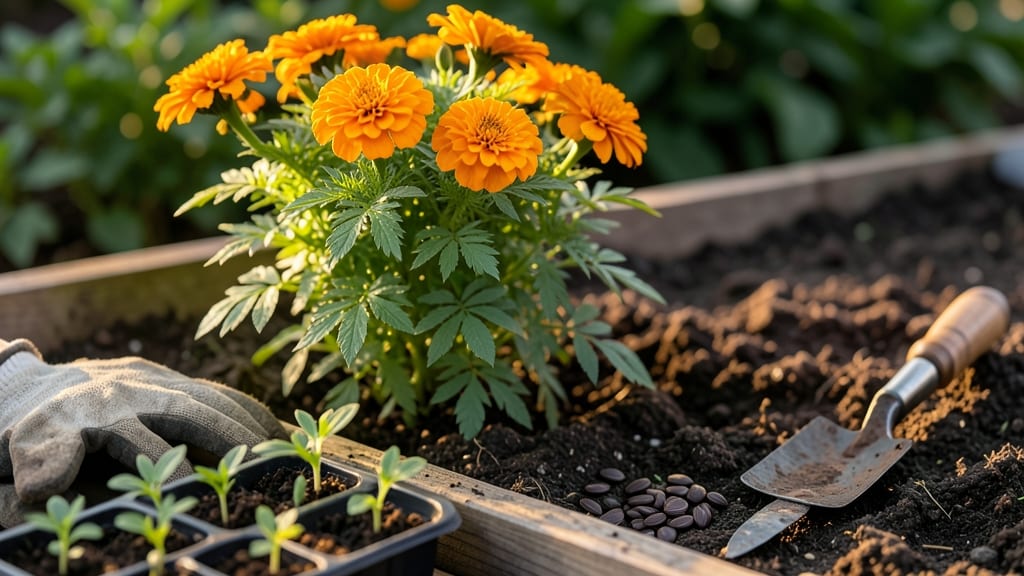
From marigold seed to bloom time takes between 45 and 75 days, but the wait can feel like forever if you’re planting in cooler zones or choosing the wrong varieties.
Picture this: you’ve tucked those tiny seeds into the soil in early spring, only to watch them creep along for weeks before finally bursting into color. The good news? Some marigolds—like the cold-hardy 'Bonanza' or 'Tangerine Gem'—can bloom in as little as 4-6 weeks when given the right conditions.
The secret? Timing, soil warmth, and picking the right type for your climate.
If you’re in USDA Zone 6a or later, you might be tempted to rush planting after your last frost (around April 15 for most regions). But soil temperature matters more than calendar dates—wait until the ground reaches at least 60°F for faster germination and blooming.
And don’t forget: direct-sown seeds in warm soil often outpace nursery starts, cutting weeks off your wait.
In this guide, I’ll break down the fastest marigold varieties, how to speed up blooming, and the 3 biggest mistakes that turn a 60-day job into a 90-day slog. Ready to turn those seeds into bright, cheerful blooms sooner than you thought?


How long do marigold seeds take to bloom: fastest varieties and conditions
If you've ever impatiently waited for marigold seeds to bloom, you're not alone. The good news is that with the right variety and growing conditions, you can see vibrant blooms in as little as 4-6 weeks.
Understanding the differences between French, African, and Mexican marigolds will help you choose seeds that fit your timeline and climate.
Marigolds are beloved for their bright colors and pest-repelling properties, but their bloom time varies widely. Soil temperature, sunlight exposure, and even your planting method can speed up or delay flowering. Let’s break down what you need to know to get those cheerful blooms faster.
| Variety | Germination Time | Bloom Time | Cold Tolerance | Best For |
|---|---|---|---|---|
| French Marigold | 5-10 days | 6-8 weeks | Moderate | Borders, containers |
| African Marigold | 7-14 days | 8-12 weeks | Low | Cut flowers, heat zones |
| Mexican Marigold | 4-7 days | 4-6 weeks | High | Early blooms, cold zones |
| 'Bonanza' Series | 5-9 days | 6-9 weeks | Moderate | Long-lasting blooms |
| 'Tangerine Gem' | 4-6 days | 4-5 weeks | High | Early spring planting |
French marigolds are the fastest bloomers, often producing flowers in just 6-8 weeks after sowing. They thrive in cooler temperatures, making them ideal for gardeners in USDA zones 3-10.
If you're in a cooler climate, look for Mexican marigolds, which can bloom in as little as 4-6 weeks and are more frost-tolerant than other varieties.
African marigolds, while stunning with their large blooms, take longer to flower—typically 8-12 weeks. They prefer warmer soil temperatures and are best suited for summer planting in regions with hot summers.
If you're planting in early spring, opt for cold-hardy varieties like 'Tangerine Gem' to avoid delays caused by chilly soil.
To speed up blooming, ensure your marigolds get at least 6-8 hours of full sun daily. Poor sunlight can stretch out the time to bloom by 2-4 weeks.
I always plant mine in the sunniest spot in my garden, and it makes a noticeable difference in their growth rate.
Soil temperature plays a critical role in germination and early growth. Marigold seeds germinate best in soil that's at least 60°F (15°C). If your spring is slow to warm up, consider using black plastic mulch or a seed heating mat to raise the soil temperature faster.
This can shave off 1-2 weeks from your bloom time.
Watering consistently but not excessively is key. Overwatering can lead to root rot, while underwatering stresses the plant. Aim for 1 inch of water per week, adjusting for rainfall. I water mine in the morning to reduce fungal risks and encourage stronger growth.
Pinching back the tips of young marigold plants encourages bushier growth and more blooms. Do this when the plants are about 6 inches tall, and you’ll see a noticeable increase in flower production. This simple trick can help you enjoy blooms 1-2 weeks sooner than unpinched plants.
If you're eager to see marigolds bloom faster, start seeds indoors 4-6 weeks before your last frost date. Transplant them outdoors after the soil has warmed up. This head start can give you blooms 2-3 weeks earlier than direct sowing in the garden.
For gardeners in cooler climates, Mexican marigolds are your best bet for early blooms. Varieties like 'Tangerine Gem' and 'Mexican Sun' are designed to handle cooler temperatures and still produce flowers in 4-6 weeks. Pair them with French marigolds for a mix of early and long-lasting blooms.
Remember, every garden is unique, and factors like soil quality, local climate, and even your watering habits can influence bloom time. Experiment with different varieties and conditions to find what works best for your space.
With the right approach, you could be enjoying marigold blooms in as little as 4 weeks!
Cold-hardy marigold varieties that bloom faster in frost-prone zones
When frost delays threaten your garden, choosing the right marigold varieties can mean the difference between waiting months or enjoying blooms in just 4-6 weeks. Cold-hardy marigolds like 'Bonanza' and 'Tangerine Gem' thrive in cooler temperatures, resisting frost damage while still delivering vibrant color.
These varieties are perfect for gardeners in USDA zones 3-7, where chilly springs can stall growth.
The key to faster blooms in frost-prone areas is selecting varieties bred for early flowering and cold tolerance. Unlike traditional marigolds that wait 8-10 weeks to bloom, these cold-hardy types often flower in half that time—even when planted in late April or early May.
Their secret? A combination of compact growth, fast germination, and resilience to temperature fluctuations.
For fastest blooms, start with 'Tangerine Gem', a dwarf variety that reaches 6-12 inches tall and blooms in just 4-5 weeks from seed. Its orange-yellow flowers thrive in partial shade, making it ideal for early spring plantings before full sun arrives.
Another top pick is 'Bonanza', a dwarf French marigold that blooms in 5-6 weeks and produces double flowers in shades of gold and orange.
To extend your growing season in cold climates, use row covers or cold frames to protect young seedlings from late frosts. Plant seeds indoors 4-6 weeks before your last frost date, then transplant outdoors once soil temperatures reach 55°F (13°C).
For extra warmth, add a 2-inch layer of mulch around seedlings to insulate roots and encourage faster growth.
Don’t overlook 'French Marigold Mix' for its compact size (12-18 inches) and 6-8 week bloom time. This variety handles cooler temperatures better than African marigolds, which typically take 8-10 weeks to flower and struggle in frost-prone zones.
French marigolds also repel pests like aphids and nematodes, adding functional benefits to their beauty.
For a late-season boost, try 'Golden Gem', a cold-tolerant variety that blooms in 6-7 weeks and continues producing flowers until first frost. Its golden-yellow blooms attract pollinators and deter pests, making it a dual-purpose choice for extended-season gardens.
Pair it with 'Bonanza' for a colorful, low-maintenance display that thrives in cooler weather.
Remember: soil temperature is critical for fast germination. Use a seedling heat mat if your soil stays below 60°F (15°C) for more than a week. With the right variety and a little extra care, you can enjoy marigold blooms in frost-prone zones—no waiting required! 🌼