
Pests
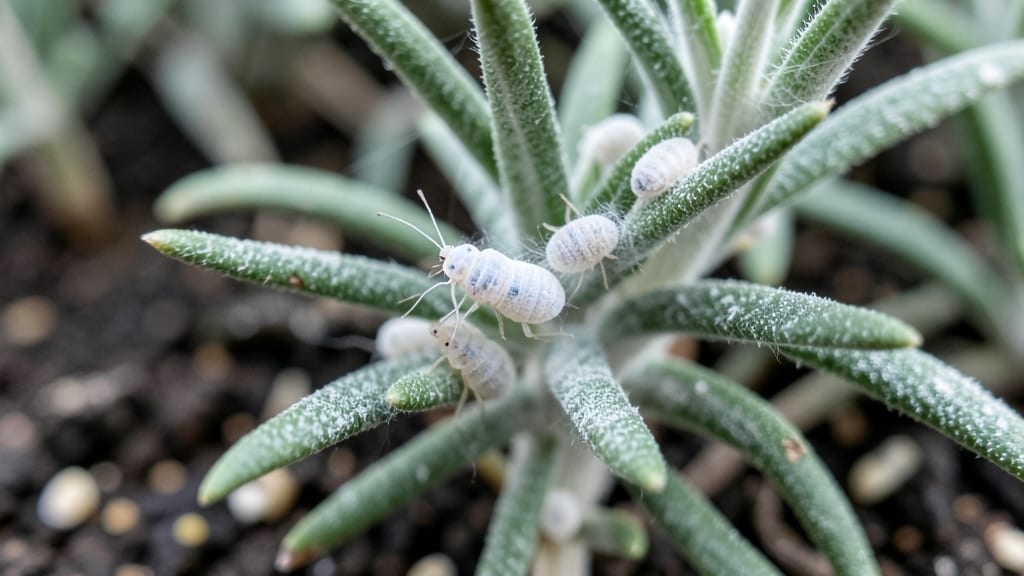
Mealybugs on rosemary turn your fragrant bushes into sticky, white-cottoned messes—but you can eliminate them in 3 simple steps without harsh chemicals. 🌿 I’ve battled these pests on my rosemary for years, and the key is acting fast before they spread to your entire herb collection.
These tiny invaders suck the life out of your plants, leaving behind a sticky residue that attracts ants and weakens growth. The first step is identifying them correctly—look for cottony clusters in leaf crevices or under stems. Once you spot them, isolate the affected plant to prevent cross-contamination.
Most gardeners make the mistake of waiting too long, but early action means the difference between saving your rosemary and losing it entirely. With neem oil, soapy water, or rubbing alcohol, you’ll smother these pests in minutes.
Spray the undersides of leaves where they hide, and repeat every 5-7 days until they’re gone. The best part? Your rosemary will bounce back with stronger, healthier growth than before. Prevention is just as simple: inspect new plants, keep your garden clean, and encourage natural predators like ladybugs.
If the infestation spreads beyond control, it’s time to call in a professional—but with these steps, you’ll likely have them under control in 2-3 weeks.
Root Causes of Rosemary Pests
If your rosemary plant is suddenly hosting a fluffy, cotton-like infestation, mealybugs are likely the culprits. These sap-sucking pests don’t just appear out of nowhere—they thrive due to specific conditions that weaken your rosemary, making it an easy target.
Understanding why they show up is the first step to stopping them for good. Let’s break down the science behind their invasion.
Mealybugs love warm, stagnant environments—think of them as the pests equivalent of a jacuzzi party. Rosemary, a Mediterranean native, prefers well-draining soil and good airflow, but when it’s crowded in a pot or baked under full sun without hydration, it becomes stressed. Here’s how it plays out:
- Heat stress: Rosemary thrives in USDA zones 7-10, but extreme heat (above 90°F/32°C) weakens its defenses. Mealybugs detect this stress via volatile organic compounds (VOCs) released by the plant, signaling, “All you can eat buffet here!”
- Stagnant air: Potted rosemary with poor airflow (e.g., tucked in a corner or under dense foliage) traps humidity. Mealybugs prefer relative humidity above 70%—ideal for their egg-laying and growth. Without airflow, natural predators like ladybugs can’t patrol effectively.
- Root bound stress: If roots are circling in a small pot, they can’t absorb water efficiently, leading to wilting and nutrient deficiencies. Weakened plants are 3x more attractive to mealybugs, according to entomological studies.
💡 Pro Tip: If your rosemary is in a container, check for roots growing in circles at the pot’s edge. Repot in fresh, gritty soil (mix potting soil with perlite or sand) to improve drainage and airflow.
Rosemary is naturally resistant to many pests due to its aromatic oils (like camphor and eucalyptol), which repel insects. But when its immune system is compromised, mealybugs waltz right in. Here’s what strips away its protection:
| Cause | How It Attracts Mealybugs |
|---|---|
| Over-fertilizing | Too much nitrogen (e.g., from synthetic fertilizers) promotes soft, lush growth—mealybugs’ favorite snack. They prefer tender, new shoots over woody stems. |
| Underwatering | Drought-stressed rosemary reduces sap flow, but mealybugs still detect the plant’s distress signals. Plus, sticky honeydew (their waste) attracts ants, which protect mealybugs like bodyguards. |
| Fungal/bacterial infections | Diseases like powdery mildew create entry points for mealybugs. Their saliva also transmits pathogens, worsening the cycle. |
🔥 Key Insight: Mealybugs don’t randomly attack healthy rosemary. They’re opportunistic—they wait for the plant to show signs of weakness first.
Mealybugs are master travelers. They don’t just fly (they’re wingless!)—they hitch rides on tools, soil, or even your gardening clothes. Here’s how they infiltrate your rosemary:
- Infested plants nearby: Mealybugs spread via wind-blown cottony fibers or crawling. If you have lavender, citrus, or other herbs nearby, they’re likely suspects.
- Garden tools: Pruners, trowels, or even your hands can transfer mealybugs from one plant to another. A single adult female can lay 600 eggs in her lifetime—so one accidental touch can turn into an outbreak.
- New soil or compost: Contaminated potting mix is a common source. Mealybugs hide in organic matter, waiting to feast on your rosemary’s roots.
🚫 Prevention Tip: Always disinfect tools with rubbing alcohol (70% or higher) before and after use. And quarantine new plants for 2 weeks before introducing them to your herb garden.
Mealybugs are year-round pests, but they peak in warm months (spring to fall) when rosemary is actively growing. Here’s how seasons play a role:
- Greenhouse effect: If your rosemary is in a container on a patio or balcony, trapped heat can create a microclimate with high humidity—mealybug heaven.
- Dormancy disruption: In winter, rosemary slows growth. If you overwater or fertilize during this time, you’re tricking it into thinking it’s spring, making it vulnerable.
- Urban heat islands: City gardens can be 10°F (5.5°C) hotter than rural areas, accelerating mealybug reproduction.
✨ Science Note: Mealybugs produce more offspring in heat—their development time drops from 30 days in cool weather to just 10 days above 80°F (27°C).
Natural Ways to Remove Pests
Once you’ve identified mealybugs on your rosemary, it’s time to act—but don’t reach for harsh chemicals just yet! These fluffy, cottony pests respond well to natural, plant-safe solutions.
Below, we’ll break down the best methods based on the cause of the infestation and how to fix it, plus tips to keep your rosemary thriving long-term.
If mealybugs are thriving because your rosemary is stressed (from overcrowding, poor drainage, or weak growth), the first step is to give it a fresh start.
🍳 Step 1: Trim Infested Growth
- Use clean, sharp pruning shears to remove heavily infested stems. Dispose of clippings in a sealed bag (not your compost bin) to prevent spreading.
- Focus on new growth, as mealybugs love tender shoots.
👨🍳 Step 2: Improve Airflow & Spacing
- Space plants 12–18 inches apart to reduce humidity in the foliage (mealybugs adore damp, sheltered spots).
- If growing in pots, ensure they have drainage holes and aren’t sitting in saucers of water.
⏰ Step 3: Fertilize for Strength
- Feed your rosemary with a balanced, organic fertilizer (like fish emulsion or compost tea) to boost its natural defenses.
- Pro tip: 💡 Over-fertilizing can attract pests—stick to a diluted solution every 4–6 weeks.
For small clusters of mealybugs, a hands-on approach combined with gentle sprays can eliminate them without harming your plant.
🔪 Step 1: Wipe Them Off
- Dampen a cotton swab or soft cloth with rubbing alcohol (70% isopropyl) and gently dab each mealybug. They’ll dissolve instantly!
- For stubborn clusters, use a soft toothbrush to scrub them off stems and undersides of leaves.
🌿 Step 2: Apply Natural Sprays
Choose one of these DIY treatments and reapply every 5–7 days until the bugs are gone:
- Neem Oil Solution: Mix 1 tsp neem oil + 1 tsp mild soap + 1 quart water. Spray evenly (including undersides) and avoid spraying in direct sunlight.
- Soapy Water: Combine 1 tsp castile soap or dish soap (like Dawn) with 1 quart water. This suffocates mealybugs on contact.
- Horticultural Oil: A refined oil spray (like Safer Brand) smothers pests without residue. Apply in early morning or evening to avoid leaf burn.
Pro tip: 🌡️ Test sprays on a small leaf first—some rosemary varieties are sensitive to soap.
🎯 Step 3: Introduce Beneficial Insects
- Release ladybugs or cryptolaemus beetles (sold at garden centers) to hunt mealybugs naturally. They’re rosemary-safe and won’t harm your plant!
If mealybugs have spread aggressively or your rosemary is in a high-risk environment (like a greenhouse or indoor garden), you’ll need a two-pronged attack:
✨ Step 1: Systemic Treatment (For Stubborn Cases)
- Use a systemic insecticide like Azadirachtin (derived from neem) or Spinosad (from fermentation bacteria). These are organic, OMRI-listed, and absorbed into the plant’s system.
- Follow label instructions precisely—overuse can harm beneficial insects.
🛡️ Step 2: Prevent Reinfestation
- Quarantine new plants for 2 weeks before introducing them to your rosemary.
- Inspect regularly (especially undersides of leaves and leaf axils) with a magnifying glass.
- Rotate sprays to prevent resistance—alternate between neem oil, soapy water, and horticultural oil weekly.
With consistency, your rosemary will bounce back stronger. Prevention is key: healthy plants, good airflow, and proactive checks will keep mealybugs from crashing your herb garden again!
Frequently asked questions
What do mealybugs on rosemary look like?
Mealybugs appear as small, white, cotton-like clusters on stems, leaf axils, or undersides of leaves. They resemble fluffy tufts of cotton or tiny balls of wax. Adults are about 1/8 inch long and leave behind a sticky residue called honeydew.
How do I know if my rosemary has mealybugs?
Check for white, powdery spots (especially in leaf crevices) and sticky residue on leaves. Look for ants too—they farm mealybugs for honeydew. Gently run your finger along stems to feel the waxy texture of these pests.
Can I save my rosemary if it has mealybugs?
Yes! With early treatment, you can fully recover your rosemary. Start by pruning infested areas and applying neem oil or soapy water. Repeat every 5-7 days until all signs disappear. Severe cases may need systemic treatments like Azadirachtin.
Will mealybugs kill my rosemary plant?
While they won't kill rosemary immediately, mealybugs weaken the plant by sucking sap, leading to yellowing leaves and stunted growth. Left untreated, they can attract ants and fungal infections. Act within 2 weeks for best results.
How do I prevent mealybugs from coming back?
Keep your rosemary healthy and well-spaced for airflow. Inspect new plants before adding them to your garden, and disinfect tools with rubbing alcohol. Introduce ladybugs or cryptolaemus beetles as natural predators for long-term protection.