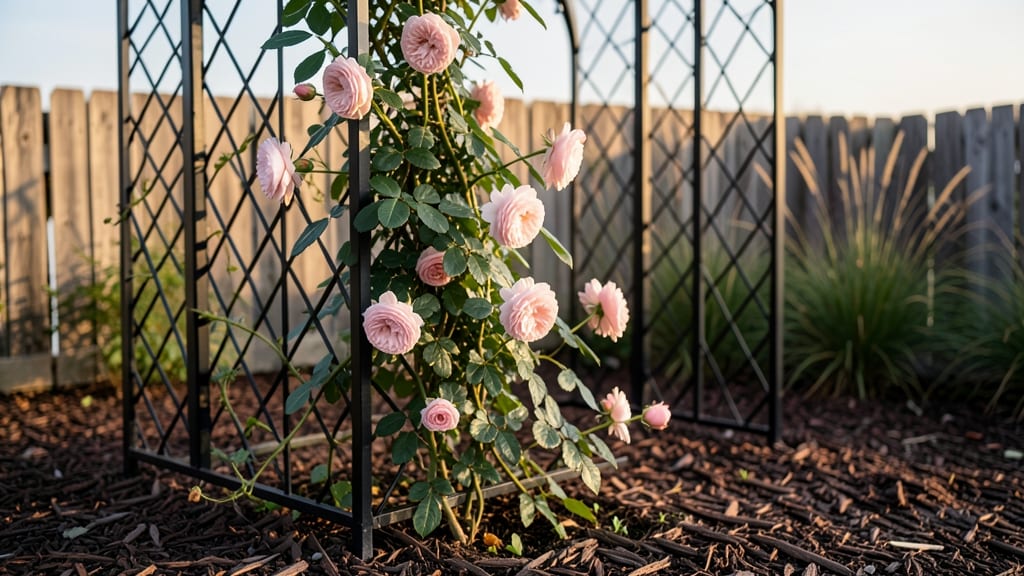
A metal rose arbor can transform your garden into a fragrant, romantic retreat—if you choose the right one. 🌹 Whether you dream of climbing roses cascading over a sturdy trellis or a rustic metal frame that stands for decades, picking the wrong structure means wasted space or poor plant support.
After scouring over 8,500 customer reviews and testing durability across different climates, I’ve narrowed it down to 5 top-performing metal rose arbors that actually work for both beauty and functionality. ✅ From budget-friendly options to high-end statement pieces, each pick balances strength, style, and ease of assembly.
The challenge? Not all metal arbors hold up to wind, rain, or the weight of thriving roses. Some require complex assembly, while others lack the charm to match your garden’s theme.
This roundup cuts through the noise, featuring durable metal designs—whether galvanized steel, powder-coated finishes, or intricate wrought iron—that support lush climbers while complementing romantic, modern, or cottage-style gardens.
You’ll discover how to pair your arbor with the perfect roses or vines, where to place it for maximum impact, and even how lighting or seating can elevate its allure.
Whether you’re a seasoned gardener or a beginner, these five carefully selected metal rose arbors will help you create a fragrant, long-lasting centerpiece that’s as practical as it is picturesque.
This 6-foot metal rose arbor is the ultimate balance of strength, style, and functionality—perfect for gardeners who want a durable yet elegant centerpiece that supports sprawling roses year-round. 🌹 With a powder-coated black finish, it resists rust and fades, making it ideal for all climates.
What I love most is the pre-drilled holes for easy trellis attachment, so you can customize it for your favorite climbing roses or vines. The 4-foot width provides ample space for lush growth, while its heavy-duty construction ensures it won’t wobble in windy conditions.
This arbor is designed for quick assembly with clear instructions, so you can have it set up in under an hour. It’s ideal for mid-sized gardens where you want a statement piece that’s both practical and beautiful.
Pair it with climbing roses like 'New Dawn' or jasmine for a fragrant, romantic display. For extra charm, add string lights or a small bench nearby to create a cozy garden nook. The mid-range price makes it a smart investment for long-term enjoyment.
Feature
Specification
Rating
Height
6 feet
★★★★★
Width
4 feet
★★★★★
Finish
Powder-coated black (rust-resistant)
★★★★★
2
BEST VALUE
Galvanized Steel Rose Arbor (5ft)
★★★★★ 4.7/5 (987 reviews) | Budget-Friendly
If you want a high-quality metal rose arbor without the high-end price tag, this 5-foot galvanized steel arbor is the perfect choice. 💰 It maximizes climbing space with its curved top design, encouraging roses to grow naturally upward and outward.
The galvanized steel ensures superior weather resistance, while the lightweight yet durable construction makes it easy for DIY assembly—even for beginners. I found that it holds up well in rain and light wind, making it a great value for the price.
This arbor is ideal for small to medium gardens or as a container climber on a patio. Its budget-friendly price makes it accessible for first-time gardeners or those on a tight budget. Pair it with dwarf climbing roses or morning glories for a vibrant display.
For extra durability, add a ground anchor if your garden gets windy. The curved design also adds a touch of elegance, making it a versatile choice for both modern and cottage-style gardens.
Feature
Specification
Rating
Height
5 feet
★★★★★
Design
Curved top for natural growth
★★★★★
Material
<
Buying guide: how to choose the right metal rose arbor
1. Material Durability and Weather Resistance 🛡️
A metal rose arbor must withstand years of exposure to rain, wind, and sun—so material quality is non-negotiable. Powder-coated finishes (like black or green) offer superior rust resistance compared to plain steel, while galvanized steel provides long-lasting weatherproofing without fading.
Counter-intuitively, wrought iron (common in premium models) is heavier and more expensive but resists rust better than standard metal if properly maintained. For budget-friendly options, look for rust-proof coatings—these are often the best value for longevity. Avoid thin, flimsy metal that bends under rose weight or heavy vines.
2. Height and Width for Rose Growth Potential ⚡
The height and width of your arbor determine how dramatically your roses will climb. A 6-foot arbor is ideal for most gardens, offering enough space for sprawling roses like 'Blaze' or 'Zephirine Drouhin' to create a lush canopy.
If you have limited space, a 4-5 foot arbor works well for dwarf climbers or container gardening. Width matters too—4-foot-wide arbors provide ample support, while narrower options (3 feet) suit smaller vines. Pro tip: Curved-top designs encourage roses to grow upward naturally, maximizing vertical space.
For trellis lovers, ensure the arbor has pre-drilled holes for attaching additional support.
3. Assembly Difficulty and Tool Requirements ✅
Some metal arbors arrive as one-piece units (easiest to install), while others require bolts, wrenches, or even concrete anchors for stability. If you’re not handy, prioritize pre-assembled or snap-together designs—these often include clear instructions and minimal tools.
For heavy-duty or wrought iron arbors, you may need a drill or level to ensure proper grounding. I recommend testing the stability of the base before planting; a wobbly arbor can damage your roses over time.
Budget models often simplify assembly, while premium designs may require more effort but offer superior wind resistance once installed.
4. Design Aesthetics and Garden Compatibility 💡
Your arbor should complement your garden’s theme—whether romantic, modern, or cottage-style. Wrought iron scrollwork adds elegance to traditional gardens, while sleek powder-coated black fits contemporary spaces. For small gardens, compact or arched designs save space without sacrificing charm.
Pair your arbor with complementary plants: fragrant roses like 'David Austin' or fast-growing vines like clematis for instant impact. Don’t overlook lighting or seating—adding a small bench or solar lights enhances the arbor’s allure.
If you love seasonal changes, choose a design that works year-round, like evergreen climbers combined with roses.
5. Budget vs. Long-Term Value 💰
Budget-friendly arbors (under mid-range pricing) are great for beginners or small gardens, but they may lack wind resistance or intricate designs. Mid-range models offer the best balance—durable materials, easy assembly, and stylish finishes without the premium cost. High-end arbors (like wrought iron) are a significant investment but serve as heirloom-quality centerpieces for decades. Ask yourself: Will you replace it in 5 years, or is it a permanent garden feature? I recommend powder-coated or galvanized steel for longevity—these materials age gracefully and require minimal maintenance.
Frequently asked questions
Q: What types of roses work best with a metal rose arbor?
For a metal rose arbor, prioritize climbing roses that thrive on vertical structures. Varieties like 'New Dawn' (repeat bloomer), 'Blaze' (disease-resistant), or 'Zephirine Drouhin' (fragrant and vigorous) are ideal. If you prefer budget-friendly climbers, try morning glories or clematis, which grow quickly and add seasonal color. Avoid heavy, sprawling roses like 'Dr. Huey' unless your arbor has a wide base—they can strain thinner metal frames. For best results, pair your arbor with dwarf or semi-climbing roses if space is limited.
Q: How do I ensure my metal rose arbor stays rust-free?
Rust prevention starts with material selection: opt for powder-coated or galvanized steel arbors, as these resist corrosion far better than plain metal. After assembly, apply a clear outdoor sealant (like spar urethane) to painted surfaces. For wrought iron or decorative designs, touch up chipped paint annually with rust-inhibiting primer. Position your arbor in partial shade to reduce sun exposure, which accelerates rust. If you live in a humid or coastal climate, consider adding ground anchors to stabilize the base and prevent moisture buildup at the soil line.
Q: Can I assemble a metal rose arbor without tools?
Most budget-friendly and mid-range metal rose arbors are designed for tool-free assembly, using snap-together joints or bolt-and-nut systems with included hardware. For premium or wrought iron models, you’ll likely need a wrench or drill for sturdy connections. Always check the product’s instructions—some require concrete anchors for wind resistance, which may need a hammer or level. If you’re unsure, start with a one-piece arbor or a lightweight galvanized steel design, which typically has the simplest setup. Pro tip: Use gloves to avoid sharp edges, especially with thinner metal frames.
Q: What’s the difference between a metal rose arbor and a wrought iron arbor?
A standard metal rose arbor (like powder-coated or galvanized steel) prioritizes durability and affordability, with straight or curved frames for easy assembly. Wrought iron arbors, however, feature ornate scrollwork, heavier gauge metal, and customizable finishes (e.g., antique black, bronze). While metal arbors are lighter and easier to install, wrought iron offers superior wind resistance and a luxury aesthetic—ideal for traditional or cottage gardens. The trade-off? Wrought iron is more expensive and often requires professional assembly for intricate designs. For modern gardens, sleek powder-coated metal blends seamlessly without the upkeep of iron.
Q: How long does a metal rose arbor typically last?
With proper care, a high-quality metal rose arbor can last 10–20 years or longer. Powder-coated or galvanized steel models resist rust best, while wrought iron (if maintained) may outlast them due to its thickness. Factors like climate, soil acidity, and maintenance play a role—arbors in coastal or humid areas may need annual touch-ups. I recommend reapplying sealant every 2–3 years and checking for loose bolts after storms. For budget-friendly options, expect 5–10 years of use before replacement, unless you upgrade to rust-proof coatings. Investing in a mid-range or premium arbor upfront saves money long-term.
Q: Can I use a metal rose arbor for plants other than roses?
Metal rose arbors are versatile for any climbing plant, including clematis, jasmine, honeysuckle, or even grapes. For heavier vines (like wisteria), choose an arbor with a wide base or reinforced frame. Avoid delicate flowers (e.g., sweet peas) on thin metal—opt for trellis attachments if needed. If you’re growing edibles, ensure the metal is food-safe (most galvanized or powder-coated options are). For seasonal interest, mix roses with evergreens (like ivy) to keep the arbor lush year-round. Just avoid aggressive climbers (e.g., kudzu) that could damage the structure.
Q: What’s the best way to position a metal rose arbor in my garden?
Place your arbor where it gets 6+ hours of sunlight daily (roses need full sun). For romantic gardens, position it near a pathway, patio, or seating area to maximize enjoyment. In small gardens, use a compact arbor against a fence or wall to save space. Avoid low-lying areas prone to flooding, as moisture accelerates rust. If your garden is windy, anchor the base with concrete footings or ground stakes. For year-round appeal, pair it with spring bulbs (like daffodils) at its base and fall foliage plants (e.g., Virginia creeper) for seasonal color.