
Planting
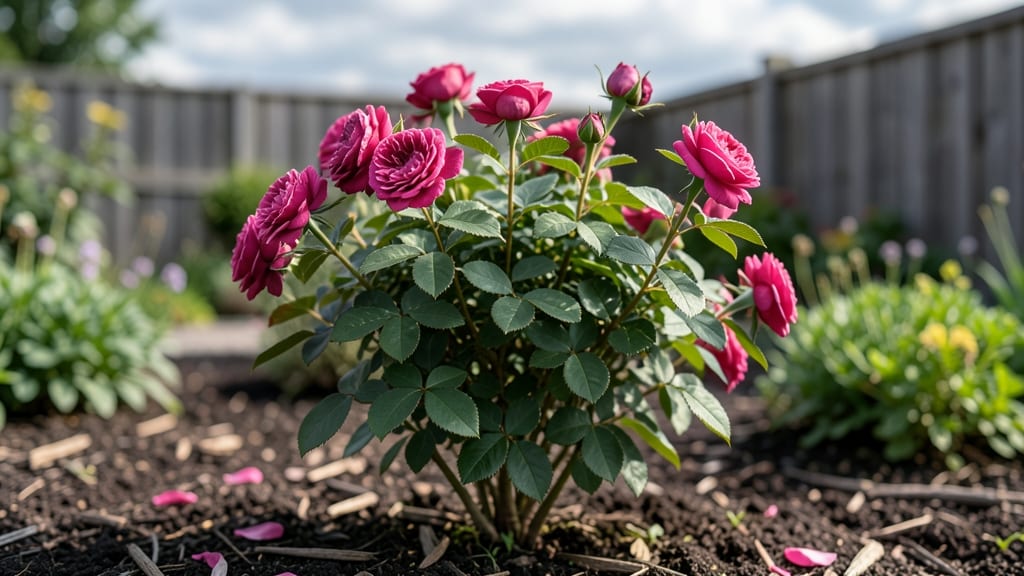
Growing a miniature rose plant outdoors transforms your patio into a fragrant, low-maintenance garden showpiece. 🌹 These tiny powerhouses pack the same intoxicating scent as their larger cousins but thrive in containers, making them perfect for small spaces or urban balconies.
My first batch surprised me with continuous blooms from spring until frost, and they’ve become the centerpiece of my outdoor decor.
The secret lies in their simple needs: bright sunlight, well-draining soil, and regular watering without soggy roots. Unlike full-size roses, miniature varieties resist pests and diseases better, and their compact size means pruning takes just 10 minutes every few months.
I’ve even overwintered mine in unheated garages with just a little extra care—no fancy equipment required.
You’ll end up with clusters of delicate blooms in every color, all perfuming the air with that classic rose scent. The foliage stays lush and disease-free when you follow a few key rules, and the plants reward you with longer bloom seasons than most garden roses.
Plus, their dwarf size means you can grow them in pots as small as 6 inches across.
Works beautifully on decks, windowsills, or even hanging baskets—just adjust sunlight exposure based on your climate. Whether you’re a beginner or a seasoned gardener, these roses deliver big impact with minimal effort. Let’s get yours planted and blooming!
📚 In This Guide
- What you need
- Instructions
- Tips and common mistakes
- Wrapping up and next steps
What you need
- ● Miniature rose plants: Choose disease-resistant varieties like 'Fairy' or 'Tom Thumb' (3–6 plants for a small container, 6–12 for larger displays).
- ● Containers: 1–2 gallon pots (with drainage holes) per plant, or a raised bed (minimum 12" deep). Pro tip: Terracotta or fiberglass pots help regulate soil temperature!
- ● Potting soil: Well-draining rose-specific mix (or a blend of 60% potting soil, 30% perlite, and 10% compost). ✨ Avoid heavy garden soil!
- ● Organic fertilizer: Slow-release rose fertilizer (10-10-10 or 5-10-5 NPK ratio).
- ● Mulch: 1–2 inches of bark or wood chips to retain moisture.
- ● Gloves & pruners: Sterilized pruners (sharp, clean) and gardening gloves.
- ● Drainage layer: Small gravel or broken pottery pieces (1–2 inches at the pot’s bottom).
- ● Watering can: With a narrow spout for precise hydration.
- ○ Optional but helpful: Rose trellis or cage (for climbing varieties).
- ● Epsom salt (1 tbsp/month for magnesium boost).
- ● Pest control: Neem oil or insecticidal soap (for aphids/black spot).
- ● Sunlight: 6+ hours of direct sun daily (south or west-facing spots ideal).
- ● Hardiness: Most miniature roses thrive in USDA Zones 5–10; use winter protection (burlap wraps) in colder zones.
- ● Wind protection: Shelter from harsh winds to prevent stress.
Step-by-step guide to planting miniature roses outdoors
Here’s how to give your miniature roses the perfect start for vibrant, fragrant blooms all season.
🪴 Step 1: Choose the Right Containers and Soil Mix
Select containers with drainage holes—5-7 gallon pots work best for miniature roses, as they provide enough space for roots while keeping the plant manageable. I like terracotta because it breathes and helps regulate moisture. If using plastic, add a layer of gravel at the bottom to prevent waterlogging.
Fill the pot with a well-draining mix: combine 60% potting soil, 30% perlite or coarse sand, and 10% compost. Miniature roses hate soggy roots, so this blend ensures excess water drains quickly while retaining enough moisture. Tap the pot gently to settle the soil—it should feel like a damp sponge, not a muddy mess.
☀️ Step 2: Plant at the Correct Depth and Position
Dig a hole in the pot slightly deeper than the rose’s root ball but no deeper than 2 inches below the graft union (the bump near the base of the stem). This prevents the plant from sinking too low and rotting. Gently loosen the roots if they’re circling, then place the rose in the hole and backfill with soil, pressing lightly to remove air pockets.
Position your miniature roses in a spot with 6-8 hours of morning sun and gentle afternoon shade—especially in hotter climates. Too much midday sun can scorch delicate petals. If you’re unsure, watch the area for a few days: if leaves wilt by noon, they need more shade.
💧 Step 3: Water Deeply and Mulch for Retention
Water the newly planted rose until water runs freely from the drainage holes—this ensures roots make full contact with moist soil. After the first watering, let the top inch of soil dry out before watering again. Overwatering is the fastest way to kill miniature roses, so I always check soil moisture with my finger rather than on a schedule.
Spread a 1-2 inch layer of mulch around the base, keeping it 2 inches away from the stem to prevent rot. I use shredded bark or pine needles—they insulate roots in winter and keep soil cool in summer. Mulch also slows evaporation, so you’ll water less frequently once established.
✂️ Step 4: Prune for Shape and Encourage Blooms
After the first flush of blooms, trim back leggy stems by one-third to encourage bushier growth. Use clean, sharp pruners and cut just above a leaf node at a 45-degree angle. This prevents water from pooling on the cut and reduces disease risk. Deadhead spent blooms regularly—it redirects the plant’s energy into new flowers instead of seed production.
In late winter, prune again to remove any dead or crossing branches. Miniature roses respond well to light pruning, so don’t overdo it. Aim for an open center that allows airflow—this keeps foliage dry and reduces fungal issues like black spot.
🌿 Step 5: Feed and Protect Through the Seasons
Start fertilizing in early spring with a balanced 10-10-10 formula, applying it every 4-6 weeks until mid-summer. Switch to a low-phosphorus feed (like 5-10-5) in late summer to promote root growth rather than blooms. Always water the soil first—never feed dry roots, or you’ll burn them.
In winter, move containers to a sheltered spot or wrap them in burlap if temperatures drop below 20°F. Miniature roses are hardy but can suffer from frost heave (when roots freeze and expand, damaging stems). A thick layer of mulch and a protective cover will keep them thriving until spring.
Tips & tricks for perfect miniature rose planting
Here's what I wish I knew before planting my first miniature roses—these small details make all the difference for thriving, fragrant blooms.
Container Selection: While 5-7 gallon pots are ideal, don't overlook self-watering containers for busy gardeners. These maintain consistent moisture without the risk of overwatering. If using plastic pots, add a layer of gravel at the bottom to prevent waterlogging—this mimics the natural drainage of terracotta while offering more insulation for roots in cold weather.
Soil Mix Precision: The 60-30-10 soil blend is perfect, but here's the secret: sterilize your potting soil first by baking it at 200°F for 30 minutes to kill pathogens. This prevents fungal diseases that often plague miniature roses. Also, avoid garden soil—it compacts too easily and can introduce weeds or pests that overwhelm delicate rose roots.
Sunlight Strategy: That 6-8 hours of morning sun guideline works beautifully, but here's the pro move: position your containers on a wheeled dolly or plant stand. This lets you rotate them daily to ensure even sun exposure on all sides—critical for miniature roses that can develop uneven growth when one side gets more light.
Winter Protection: When temperatures drop below 20°F, don't just move containers indoors—wrap them in bubble wrap first. This creates an insulating air pocket that prevents frost heave. I also place pots on wooden boards rather than cold concrete, which helps regulate temperature fluctuations that can stress the roots.
Pro Tips for Miniature Rose Plant Outdoor
- Here's what I wish I knew before planting my first miniature roses—these small details make all the difference for thriving, fragrant blooms.
- Container Selection: While 5-7 gallon pots are ideal, don't overlook self-watering containers for busy gardeners.
- Soil Mix Precision: The 60-30-10 soil blend is perfect, but here's the secret: sterilize your potting soil first by baking it at 200°F for 30 minutes to kill pathogens.
Frequently asked questions
Got questions about keeping your miniature rose plant outdoor thriving? Here are some of the most common ones—plus quick answers to help you grow confidently!
When is the best time to plant a miniature rose outdoors?
Plant your miniature rose in early spring after the last frost (when soil temps hit 60°F+) or in early fall (6-8 weeks before frost). Avoid summer heatwaves—roots need time to establish before stress. Pro tip: If planting in containers, ensure they have drainage holes to prevent root rot!
How do I protect my outdoor miniature rose from extreme weather?
Miniature roses are hardy but need shelter from harsh winds and freezing temps. In winter, mulch heavily (3-4 inches) around the base and wrap containers in burlap or frost cloth. For summer heat, provide afternoon shade and water deeply in the morning to reduce evaporation.
Can I grow miniature roses in containers year-round, or do they need winter dormancy?
Yes! With proper care, container-grown miniature roses can bloom year-round in mild climates (Zones 7-10). In colder zones, move pots to a sheltered spot (like a garage or under eaves) and reduce watering. Key trick: Prune lightly in late winter to encourage fresh growth when temps rise.
Why aren’t my miniature roses blooming as much as I expected?
Overly lush foliage (from too much fertilizer) or lack of sunlight (6+ hours daily) can stunt blooms. Fix it: Deadhead spent blooms, feed with a balanced rose fertilizer (half-strength) every 4-6 weeks, and ensure containers aren’t overcrowded. Yellow leaves? Check for overwatering or nutrient deficiencies (like iron).
What’s the best companion plant for miniature roses in containers?
Pair them with low-growing, drought-tolerant plants like thyme, lavender, or creeping Jenny to save water and deter pests. Avoid heavy feeders (e.g., petunias) that compete for nutrients. Bonus: Marigolds repel aphids—plant them nearby for natural pest control!
Wrapping up and next steps
Growing miniature rose plants outdoors in containers is a rewarding way to enjoy fragrant blooms year-round with minimal space! Whether you're a beginner or a seasoned gardener, these charming roses thrive with the right care—sunlight, well-draining soil, and consistent watering.
Their compact size makes them perfect for patios, balconies, or even windowsills, adding a touch of elegance without the fuss.
Ready to dive in? Start small—pick your favorite variety, gather your supplies, and give these delicate beauties the love they deserve. With patience and a little attention, you’ll be rewarded with bursts of color and intoxicating fragrance that brightens every season. 🌸✨