
Flowers
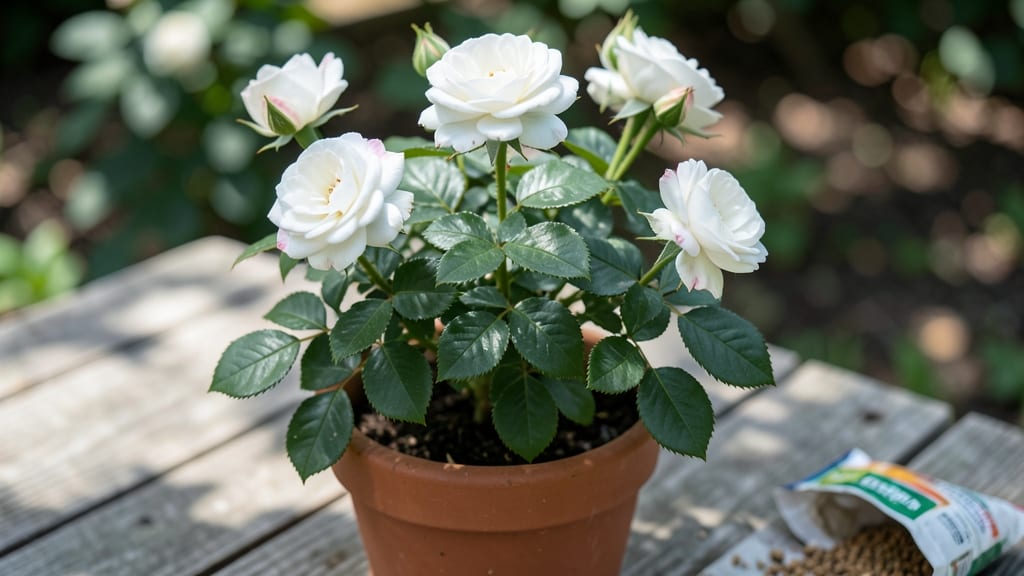
Growing miniature white roses in containers is like having a delicate, fragrant cloud that blooms all season long. 🌸 These tiny powerhouses pack the same romance as their larger cousins but stay compact enough for patios, balconies, or even sunny windowsills. The secret to their success?
Understanding their specific needs—from soil that drains like a dream to sunlight that makes them glow. You’ll need well-draining potting mix, a container with drainage holes (at least 12 inches deep), and a spot where they get 6-8 hours of sunlight daily.
Prune spent blooms regularly to encourage more flowers, and protect them from harsh winter winds with a cozy burlap wrap. Within weeks, you’ll have lush, snow-white blooms that smell like a spring morning—without taking up garden space.
📚 In This Guide
- What you need
- Instructions
- Tips and common mistakes
- Wrapping up and next steps
What you need
- ● Miniature white rose bare-root plants or potted cuttings: 3–5 plants (check for disease-free, healthy roots/stems).
- ● Well-draining potting mix: 5–10 gallons (look for a blend labeled for roses or amend garden soil with perlite/sand for drainage).
- ● Containers: 1–2 gallon pots per plant (ensure drainage holes!). Pro tip: Terracotta or fabric pots work best! 🌡️
- ● Organic fertilizer: Balanced 10-10-10 or rose-specific fertilizer (follow label instructions).
- ○ Slow-release granules: Optional but helpful for steady nutrition.
- ● Pruning shears: Sharp, sterilized shears (disinfect with rubbing alcohol between cuts).
- ● Mulch: 2–3 inches of organic mulch (e.g., shredded bark or straw) to retain moisture.
- ● Watering can or hose with gentle spray nozzle: Avoid wetting foliage to prevent fungal issues.
- ● Epsom salt: 1 tablespoon per gallon of water (monthly foliar spray for magnesium boost).
- ● Rose tonic: Liquid supplement like fish emulsion or compost tea for extra nutrients.
- ● Support stakes or cages: For taller varieties (6–12 inches tall).
- ● Grow lights: If indoors, provide 6–8 hours of bright light daily.
- ● Humidity tray: For indoor setups (pebbles + water to increase moisture).
Step-by-step instructions for cultivating miniature white roses in containers
Here’s how to coax those delicate white blooms into thriving, repeat-flowering plants—even in small spaces.
🪴 Step 1: Select the Right Container and Drainage
Miniature white roses need at least a 5-gallon container per plant to support their root systems without becoming root-bound. I opt for unglazed terra cotta pots because they wick away excess moisture, preventing the soggy soil that invites fungal diseases like black spot. Ensure the pot has multiple drainage holes—if not, drill them yourself. Place a 2-inch layer of gravel or broken pottery at the bottom to create an air pocket and improve drainage.
Here’s the thing—container size matters more than you’d think. A pot that’s too small stresses the plant, leading to stunted growth and fewer blooms. If you’re planting multiple roses, space them at least 12 inches apart to allow airflow and prevent overcrowding. Real talk: I’ve seen gardeners cram three miniature roses into a single large pot, and within a season, the center plant always succumbs to mildew.
🌱 Step 2: Prepare the Soil and Plant Your Rose
Fill the container with a well-draining potting mix designed for roses—avoid garden soil, which compacts and suffocates roots. I blend my own using equal parts potting soil, perlite, and compost to ensure aeration and nutrients. Before planting, soak the root ball of your miniature rose in lukewarm water for 10-15 minutes to hydrate the roots without shocking them.
Position the rose so the graft union (the bump where the rose was attached to its rootstock) sits about 1 inch below the soil line. This protects the plant from temperature fluctuations and disease. Backfill with soil, pressing gently to eliminate air pockets, and water deeply until it drains from the bottom. You’ll know it’s right when the soil surface looks slightly damp but not glistening—this prevents both drought stress and waterlogged roots.
☀️ Step 3: Position for Optimal Light and Airflow
Miniature white roses crave full sun—at least 6 hours daily—but they’ll tolerate 4-5 hours in partial shade if you’re in a hotter climate. Place your containers where they’ll receive morning sun and afternoon shade to prevent leaf scorch. I’ve found that east-facing windowsills or patios work perfectly, as they avoid the harsh midday rays.
Airflow is just as critical as light. Without it, humidity lingers, promoting powdery mildew. Space your containers 6-12 inches apart and use a small fan on low setting near them for 10-15 minutes daily during humid weather. You’ll notice the leaves stay crisp and vibrant—no yellowing or spotting, which is your sign the airflow is working.
💧 Step 4: Water and Fertilize for Continuous Blooms
Water your miniature roses deeply once a week, allowing the top 2 inches of soil to dry out between waterings. Overwatering is the fastest way to kill these delicate plants—roots need oxygen, not a swamp. I use a self-watering system (a saucer with a wick) for my indoor roses to maintain consistent moisture without soggy soil. In containers, morning watering is ideal—it gives the plant time to dry out before evening, reducing fungal risks.
Feed your roses every 4-6 weeks during the growing season (spring through fall) with a balanced, water-soluble fertilizer (10-10-10 or 20-20-20). I halve the recommended dose to avoid burning the roots—miniature roses are sensitive to salt buildup. Stop fertilizing in late summer to encourage hardening off before winter. Watch for new growth and buds after feeding—that’s your cue the plant is thriving.
✂️ Step 5: Prune and Overwinter for Year-Round Success
Prune your miniature roses twice a year: once in early spring to shape the plant and remove dead wood, and again in late fall to prepare for dormancy. Use clean, sharp pruners and cut just above a leaf node (the bump where leaves or buds form). This encourages bushier growth and more blooms. I also deadhead spent flowers regularly to redirect the plant’s energy into new growth rather than seed production.
For winter care, move containers to a protected location (like a garage or under an eave) where temperatures stay above 20°F. Reduce watering to once every 2-3 weeks and avoid fertilizing. In spring, resume watering and fertilizing as new growth appears. You’ll see tender green shoots within 2-3 weeks—that’s your signal it’s time to bring them back into full sun.
Tips & tricks for perfect miniature white roses in containers
Here’s what nobody tells you about keeping these delicate beauties thriving year-round—details that make all the difference between wilting disappointment and lush, repeat blooms.
Container Size and Material: While the instructions specify a 5-gallon container, I’ve found that wider, shallower pots actually work better for miniature roses. The extra surface area helps roots spread out, preventing that root-bound stress. Unglazed terra cotta isn’t just about drainage—it also helps regulate soil temperature. In summer, it stays cooler than plastic, and in winter, it retains warmth better than glazed ceramic. For extra insurance against fungal diseases, I dip new pots in a 1:10 bleach-water solution before planting.
Soil Mix Secrets: The equal parts potting soil, perlite, and compost blend is perfect, but here’s the upgrade: add a handful of sand (not too fine) to improve drainage further. I also incorporate 1 tablespoon of Epsom salt per gallon of mix at planting time—this magnesium boost prevents yellowing leaves and supports vibrant blooms. The 10-15 minute root ball soak is crucial, but I like to add a few drops of seaweed extract to the water to give the roots a gentle growth hormone kick right from the start.
Light Positioning Nuances: That 6-hour sun minimum is non-negotiable, but the morning sun/afternoon shade recommendation can be tricky in different climates. In hot southern regions, I’ve had success moving containers to dappled shade by noon—even under a sheer curtain if needed. For indoor growers, a grow light on a timer (12-14 hours daily) works wonders, but position it 12-18 inches above the plants to prevent heat stress. Watch for leaves stretching toward light—this tells you they’re not getting enough.
Winter Care Extension: The 20°F minimum is a good guideline, but I’ve kept my miniature roses thriving in 15°F conditions by wrapping containers in bubble wrap and moving them to a north-facing garage. For extra protection, I place them on insulated trays with heating cables during extreme cold snaps. The key is monitoring—if you see buds forming in winter, they’re getting too warm and will likely freeze. A simple thermometer in the soil prevents this.
Pro Tips for Miniature White Roses
- Here’s what nobody tells you about keeping these delicate beauties thriving year-round—details that make all the difference between wilting disappointment and lush, repeat blooms.
- Container Size and Material: While the instructions specify a 5-gallon container, I’ve found that wider, shallower pots actually work better for miniature roses.
- Soil Mix Secrets: The equal parts potting soil, perlite, and compost blend is perfect, but here’s the upgrade: add a handful of sand (not too fine) to improve drainage further.
Frequently asked questions
Got questions about growing miniature white roses? You’re not alone! Here are some of the most common queries—and their easy answers—to help you nurture perfect blooms year-round.
How long does it take for miniature white roses to bloom after planting?
With proper care, you can expect the first buds to appear in 6–8 weeks after planting. For container-grown roses, consistent watering, sunlight (6+ hours daily), and balanced fertilizer (like 10-10-10) speed up the process. Patience pays off—your first flush of delicate white blooms will steal the show!
Can miniature white roses survive winter in containers?
Yes, but they need protection! Move pots to a sheltered spot (like a garage or under eaves) before temps drop below 20°F (-6°C). Wrap containers in bubble wrap or use frost cloths. Mulch the soil with straw or leaves for extra insulation. In mild climates, a thick layer of mulch may suffice.
Why aren’t my miniature white roses blooming?
Lack of blooms often signals one of three issues: over-fertilizing with nitrogen (promotes leaves, not flowers), inconsistent watering (drought stress), or pruning at the wrong time (never cut back after mid-summer). Try a low-nitrogen, high-phosphorus fertilizer (like 5-10-5) and deadhead spent blooms to encourage new growth.
Are miniature white roses better in pots or ground planting?
Both work, but containers offer more control—ideal for small spaces, urban gardens, or renters. For ground planting, choose a spot with well-draining soil and full sun. Pots need larger drainage holes and frequent watering (they dry out faster). Pro tip: Use a lightweight potting mix with perlite to prevent root rot.
How do I prevent pests like aphids or black spot on miniature white roses?
Prevention is key! Neem oil (spray weekly) deters aphids, while copper fungicide stops black spot. Ensure good air circulation (space plants 12–18 inches apart) and avoid overhead watering. For severe infestations, introduce ladybugs (natural predators) or use insecticidal soap. Healthy soil = resilient roses!
Can I train miniature white roses to climb a trellis or wall?
These roses thrive as climbers too. Plant near a trellis or wall and tie stems gently to supports with soft ties (like old tights or horticultural tape). Prune in late winter to shape growth. Just ensure the structure is sturdy—miniature roses can reach 3–5 feet tall with proper training!
Wrapping up and next steps
Miniature white roses are a dream come true for gardeners who love elegance and low-maintenance beauty! 🌸 Whether you’re a beginner or a seasoned green thumb, their compact size and delicate blooms make them perfect for containers, balconies, or even sunny windowsills.
With the right care—like well-draining soil, consistent watering, and a dash of love—they’ll reward you with year-round charm and fragrant blooms.
Ready to dive in? Start small: pick your favorite variety, grab your supplies, and plant your first miniature white rose today! Before you know it, you’ll be the proud owner of a lush, fragrant mini garden that turns heads (and noses!) everywhere. Happy growing! 🌱✨