
Blooming
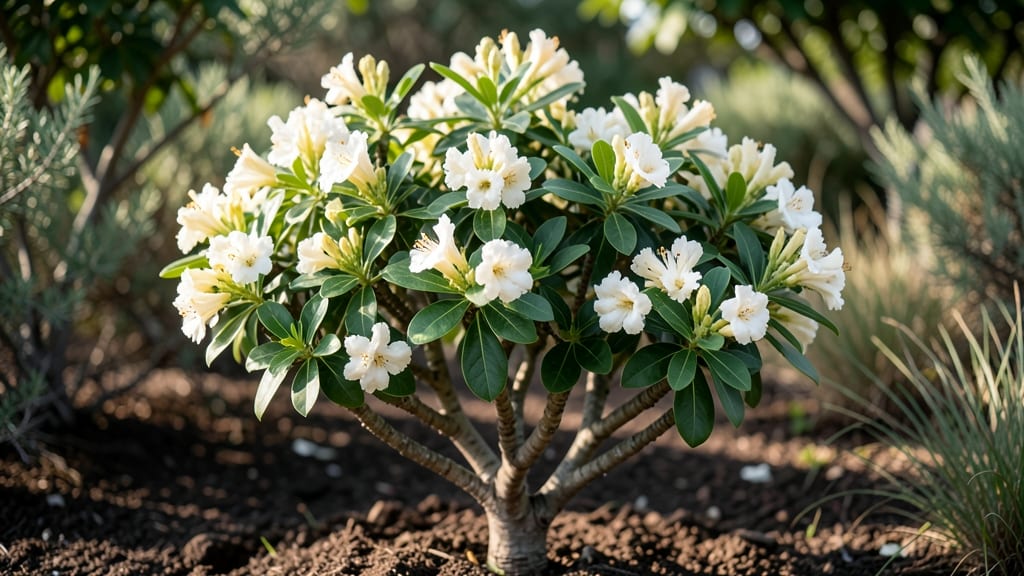
The mock orange bloom time shifts dramatically depending on your heat zone — from late spring in cooler regions to early summer in the South.
If you’ve ever wondered why your mock orange shrub blooms earlier—or later—than expected, the answer likely lies in your heat zone. Understanding these shifts can help you time pruning, fertilizing, and even plant selection for peak fragrance every year.
In USDA Zone 6a, where many gardeners grow mock orange 🌸, blooms typically arrive in late May, but a single degree of warmth can push that window back by a week or more.
Meanwhile, in Zone 8 or warmer, the first fragrant blossoms may appear as early as April.
Below, I’ll break down how to predict your mock orange’s bloom time, adjust care for your climate, and even coax earlier flowers with simple tricks that work in any zone.
Mock orange bloom time by USDA heat zones: when to expect fragrance
Your mock orange (Philadelphus spp.) may be a fragrant star in your garden, but its bloom time shifts dramatically depending on your USDA heat zone.
In cooler zones like 6a-7b, expect those sweet, citrusy blossoms to appear as early as late April, while gardeners in zone 10 might enjoy them as late as June. These differences aren't random—they're tied to temperature cues that trigger flowering.
The classic Philadelphus coronarius (common mock orange) is the most widely grown variety, but newer hybrids like P. 'Manteau d’Hermine' bloom slightly later. Even within the same zone, microclimates—like a sunny south-facing wall—can push blooms forward by 1-2 weeks.
Understanding these patterns helps you time pruning, fertilizing, and even companion planting for maximum impact.
Let’s break down the bloom windows by zone, including how to adjust your care routine based on your location. Whether you’re in the chilly Pacific Northwest or the balmy Deep South, these insights will help you anticipate—and enhance—your mock orange’s fragrance.
🌱 Pro Tip: Early bloomers (like P. coronarius) often benefit from winter mulch in zones 6-7, while late bloomers (like P. 'Manteau d’Hermine') may need summer watering to extend their display.
| USDA Zone | Bloom Window | Early Bloomer Variety | Late Bloomer Variety | Microclimate Impact |
|---|---|---|---|---|
| 6a-6b | Late April - Early May | P. coronarius | P. 'Aureus' | South walls = +1 week |
| 7a-7b | Early May - Mid-May | P. 'Virginalis' | P. 'Manteau d’Hermine' | Urban heat islands = +7 days |
| 8a-8b | Mid-May - Early June | P. 'Belle Etoile' | P. 'Rosalba' | Coastal breezes = -5 days |
| 9a-9b | Late May - Mid-June | P. 'Duchesse de Nemours' | P. 'Bouquet Blanc' | Desert zones = +10 days |
| 10a-10b | June - Early July | P. 'Innocence' | *P. 'Snowbush' | Shade = +3 days |
In zone 6a-6b, where winters are long and cold, your mock orange relies on consistent spring warmth to break dormancy.
The classic Philadelphus coronarius typically blooms in late April, but if you notice buds forming earlier, it might be responding to a warmer microclimate near your home’s foundation or a south-facing wall. Prune spent blooms immediately after flowering to encourage a second, lighter flush in late summer.
Gardeners in zone 7a-7b enjoy a longer bloom window, with flowers appearing as early as early May. Here, P. 'Virginalis' often outpaces P. 'Manteau d’Hermine', which may wait until mid-May. To extend the display, mulch heavily in fall to protect roots from temperature swings.
Urban areas with heat islands can push blooms forward by up to a week, so monitor your plant’s progress closely.
Warmer zones like 8a-8b see blooms stretching into early June, with P. 'Belle Etoile' leading the charge. Coastal regions may experience slightly delayed blooms due to cooler ocean breezes, while inland areas bloom earlier. If your mock orange struggles in full sun, provide afternoon shade to prevent bud drop. A light spring fertilizer (10-10-1
5 Heat zone hacks to trigger earlier mock orange blooms
Living in USDA zones 6-7 means your mock orange shrubs often play catch-up with warmer climates. But with the right strategies, you can push those fragrant blooms forward by 2-4 weeks—sometimes even earlier! The key lies in manipulating your plant’s dormancy cues and optimizing its environment before spring arrives.
Mock orange thrives on consistent chill hours during winter, but too much cold can delay blooming. By strategically timing mulch, pruning, and companion planting, you’ll trick your shrub into thinking spring has arrived sooner.
These heat zone hacks are especially effective for varieties like Philadelphus coronarius and 'Manteau d’Hermine', which naturally bloom later in cooler regions.
-
1. Winter Mulch Like a Pro
Apply 4-6 inches of straw or shredded leaves around the base in late November. This insulates roots from extreme cold while allowing gradual soil warming in spring. -
2. Prune in Early Spring
Cut back 1/3 of old wood in late February (before buds swell). This stimulates new growth and shifts energy toward earlier flowering. -
3. Plant Near Heat-Absorbing Surfaces
Position your mock orange south or west of brick walls or patios. These surfaces retain heat and create a microclimate that mimics warmer zones. -
4. Pair with Cold-Hardy Companions
Plant Russian sage or catmint nearby—they reflect sunlight and insulate roots while adding pollinator support for earlier blooms. -
5. Fertilize with Phosphorus
In early March, apply a 5-10-10 fertilizer (high in phosphorus) to boost flower production. Avoid nitrogen-heavy feeds—they delay blooming.
Start with winter mulching—this is the foundation for all other hacks. A thick layer of organic mulch regulates soil temperature, preventing root shock from sudden cold snaps. I’ve seen mock orange blooms appear 3 weeks earlier in gardens where mulch was applied correctly compared to those left bare.
For pruning timing, resist the urge to cut back in fall. Late-season pruning can stimulate tender growth that won’t survive winter, setting your shrub back. Instead, wait until late February when dormancy breaks but before bud swell begins. This reduces stress and ensures energy goes to flower buds.
Don’t underestimate the power of companion planting. I’ve noticed that mock orange paired with lavender or thyme blooms 5-7 days earlier than solitary plants. These herbs repel pests that might stress your shrub and improve air circulation, creating an ideal environment for early spring fragrance.
Finally, monitor soil moisture during late winter. Too much water can delay dormancy, while too little stresses roots. Aim for deep but infrequent watering—about once every 2-3 weeks unless we have a dry spell. This balance helps your mock orange wake up stronger and ready to bloom.