
Shrubs
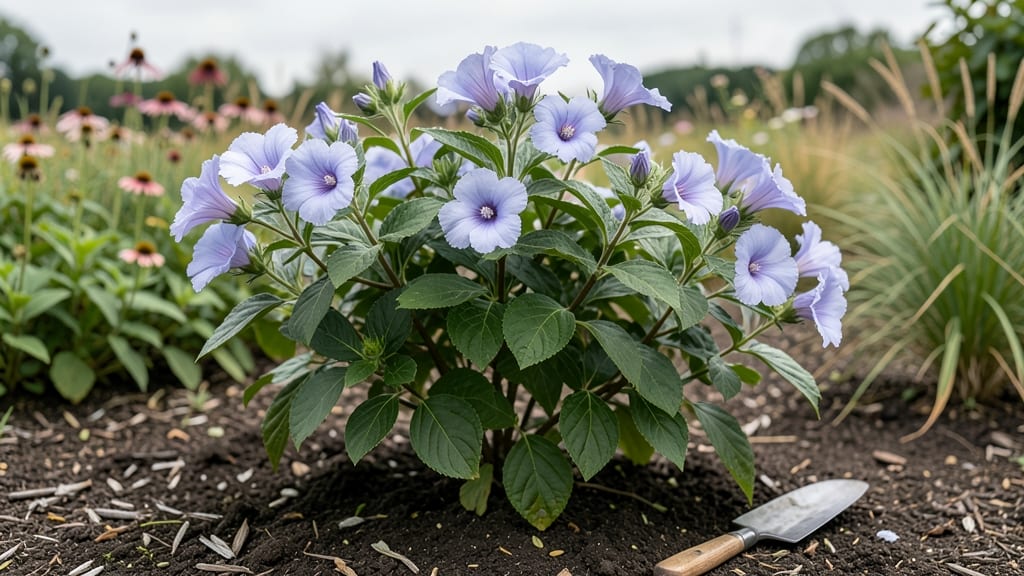
The multi-colored Rose of Sharon turns your garden into a living canvas that never stops painting. 🌸 Its dramatic blooms—shades of pink, purple, white, and blue—create a showstopping display that lasts from midsummer through fall, with occasional winter blooms in milder climates.
I planted mine as a mixed hedge last spring, and now neighbors stop to ask what "magic" I used. This isn’t just a shrub; it’s a year-round star that thrives in full sun or partial shade, handles urban pollution, and grows 8-12 feet tall with minimal fuss.
Pair it with lavender for texture, black-eyed Susans for contrast, or boxwood for structure—the combinations are endless. The key is spacing plants 6-10 feet apart to let them spread naturally without crowding.
By summer’s end, you’ll have a privacy screen that doubles as art, with blooms changing color as the seasons shift. The fragrance? Lightly sweet, like a summer breeze through a florist’s shop. Even better: deer and rabbits leave it alone, so you won’t lose sleep over nibbling pests.
Works as a bold border, a privacy hedge, or a backyard focal point. Once established, it’s drought-tolerant and low-maintenance—perfect for busy gardeners who still want drama. Let’s make your yard the talk of the neighborhood!
📚 In This Guide
- What you need
- Instructions
- Tips and common mistakes
- Wrapping up and next steps
What you need
- ● Multi-colored Rose of Sharon plants: Choose from: 1–3 established shrubs (3–5 feet tall, for quick impact)
- ● OR 5–10 seedlings (if starting from scratch)
- ● OR 3–5 rooted cuttings (propagate your own!)
- ● Well-draining soil: Mix garden soil with compost (ratio: 2:1) or use potting mix for containers.
- ● Sunlight: Full sun (6+ hours/day) or partial shade (4–6 hours).
- ● Watering can or hose: With a gentle spray nozzle (avoid harsh streams).
- ● Pruning shears: Sharp, bypass-style (for clean cuts).
- ● Gloves: Heavy-duty gardening gloves (protects from thorns!).
- ● Mulch: Organic mulch (wood chips or straw) to retain moisture.
- ● Fertilizer: Balanced 10-10-10 or slow-release granular (spring/fall).
- ○ Stakes or cages: (Optional) For support if planting in windy areas.
- ○ pH test kit: (Optional) Ideal soil pH: 6.5–7.5.
- ● 🌡️ Best planting time: Early spring or fall (avoid extreme heat).
- ● ✨ Container gardening? Use a 5-gallon pot minimum with drainage holes.
- ● 🔥 Thorny warning: Wear long sleeves when pruning!
How to plant and maintain a lush multi-colored Rose of Sharon hedge
This hardy shrub thrives with minimal fuss—here’s how to establish vibrant, year-round blooms.
🌱 Step 1: Choose the Right Location and Prepare the Soil
Select a site with full sun to partial shade—at least 6 hours of sunlight daily ensures the most vibrant blooms. Rose of Sharon tolerates a range of soil types but prefers well-draining, slightly acidic soil with a pH between 6.0 and 7.0. If your soil is heavy clay, amend it with 2-3 inches of compost mixed into the top 12 inches of soil.
Dig a hole twice as wide as the root ball but no deeper. The shrub’s roots spread horizontally, so space plants 6-8 feet apart for a dense hedge. Loosen the roots gently if they’re circling the root ball—this encourages outward growth. Here’s the thing: if your soil drains poorly, add a layer of gravel or sand at the bottom of the hole to prevent root rot.
🪴 Step 2: Plant and Water Deeply for Establishment
Place the shrub in the hole so the top of the root ball sits 1 inch above ground level. This prevents water from pooling around the stem, which can cause rot. Backfill with native soil, tamping gently to remove air pockets. Water immediately after planting to settle the soil and eliminate gaps.
Give the shrub 1-2 gallons of water per plant to encourage deep root growth. You’ll know it’s getting enough moisture when the soil feels damp 6 inches down after watering. Mulch around the base with 2-3 inches of organic mulch, keeping it 3 inches away from the stem to prevent moisture buildup. This retains soil moisture and suppresses weeds—just don’t let it pile up against the trunk.
☀️ Step 3: Prune Strategically for Year-Round Blooms
Prune in late winter or early spring before new growth appears. Remove dead, diseased, or crossing branches first—this improves airflow and reduces pest risks. Then, cut back one-third of the oldest stems to the ground to encourage new growth. The reason we do this is that Rose of Sharon blooms on both old and new wood, so selective pruning keeps the hedge lush and flowering continuously.
Shape the hedge by trimming the remaining stems to your desired height. Use clean, sharp pruners to make cuts just above a bud or leaf node. Avoid shearing—it creates a dense, bushy look but weakens the plant. Instead, focus on thinning out crowded branches. You’ll see new growth emerge within 4-6 weeks, signaling successful pruning.
💧 Step 4: Maintain Water and Fertilize for Vibrant Growth
Water deeply once a week during the first growing season to establish roots. After that, Rose of Sharon is drought-tolerant but still benefits from 1 inch of water per week, especially during hot spells. Check soil moisture by sticking your finger 2 inches down—if it’s dry, it’s time to water. Overwatering is the real enemy here; soggy soil leads to root rot and weak stems.
Fertilize in early spring with a balanced, slow-release fertilizer (10-10-10 or similar). Apply ½ cup per plant and water it in well. Skip fertilizing in fall—this encourages tender new growth that won’t survive winter. Real talk: if your blooms look sparse, a light application of phosphorus-heavy fertilizer in spring can boost flowering, but don’t overdo it.
✂️ Step 5: Monitor for Pests and Diseases Year-Round
Inspect your hedge regularly for signs of Japanese beetles, aphids, or powdery mildew—common issues for Rose of Sharon. Japanese beetles chew leaves, leaving a skeletonized appearance, while aphids cluster on new growth. Spray with neem oil or insecticidal soap if you spot them early. For powdery mildew, prune for better airflow and apply fungicide if needed.
Remove any diseased branches immediately—don’t leave them on the plant or in the yard. Burn or dispose of them in the trash, not the compost. Here’s the moment that matters: if you catch issues early, your hedge stays healthy and continues blooming year after year. A little vigilance now saves hours of cleanup later.
Tips & tricks for perfect multi-colored Rose of Sharon hedges
Between us, these small adjustments make all the difference between a hedge that merely survives and one that thrives with vibrant, year-round color.
Sunlight Strategy: While the instructions mention 6 hours of sunlight daily, I’ve found that morning sun paired with afternoon shade works best in hot climates. The reason? Intense afternoon sun can scorch the delicate blooms, especially in summer. If you notice leaves curling or wilting, it’s a sign your plants are getting too much direct heat—consider moving them slightly or providing afternoon shade cloth.
Soil pH Precision: Testing your soil’s pH before planting is worth the small investment. Rose of Sharon prefers 6.0-7.0, but many soils fall outside this range. If your test shows a pH below 6.0, add lime (about ½ cup per square yard) to raise it. For acidic soils above 7.0, work in sulfur or peat moss—just a few handfuls mixed into the planting hole makes a difference. The goal is to mimic the plant’s natural growing conditions, which translates to more vibrant blooms.
Watering Wisdom: The 1-2 gallons per plant recommendation is spot-on, but timing matters just as much. Water in the early morning so the foliage has time to dry before evening. Wet leaves overnight invite fungal issues like powdery mildew, which we’ll talk about in the FAQs. Also, avoid getting water on the blooms themselves—they’ll last longer if kept dry. A soaker hose buried slightly in the soil is my go-to for even moisture distribution without waste.
Pruning Pro Tip: When you’re cutting back one-third of the oldest stems in Step 3, look for stems that are thicker than a pencil—they’re the ones that need to go. These older stems often produce fewer blooms and can become woody. Cut them down to the ground, and you’ll notice fresh, vigorous growth emerging within those 4-6 weeks. Pro tip: Sterilize your pruners with rubbing alcohol between cuts to prevent spreading disease from any infected branches you might encounter.
Pro Tips for Multi Colored Rose Of Sharon
- Between us, these small adjustments make all the difference between a hedge that merely survives and one that thrives with vibrant, year-round color.
- Sunlight Strategy: While the instructions mention 6 hours of sunlight daily, I’ve found that morning sun paired with afternoon shade works best in hot climates.
- Soil pH Precision: Testing your soil’s pH before planting is worth the small investment.
Frequently asked questions
Got questions about keeping your multi-colored Rose of Sharon thriving? You’re not alone! Here are some of the most common concerns—plus quick, expert-backed answers to help you grow a showstopping hedge with minimal stress.
How do I encourage more vibrant blooms in my multi-colored Rose of Sharon?
For bold, multi-hued flowers, prioritize full sun (6+ hours/day) and well-draining soil. Prune lightly after blooming to shape the plant, but avoid heavy cuts—this shrub blooms on new wood. A balanced 10-10-10 fertilizer in early spring and mid-summer keeps it lush. Pro tip: Deadhead spent blooms to redirect energy into fresh growth!
When is the best time to plant a multi-colored Rose of Sharon?
Plant in early spring or fall (4–6 weeks before frost) for the best root establishment. Avoid extreme heat or cold—your shrub needs time to acclimate. Dig a hole twice as wide as the root ball but no deeper, then water deeply. Warning: These shrubs hate soggy soil, so amend heavy clay with compost or sand.
Can I grow a multi-colored Rose of Sharon in a pot?
Yes! Choose a large container (20+ gallons) with drainage holes and a fast-draining potting mix (add perlite or sand). Expect to water daily in summer—potted shrubs dry out quicker. Move pots to partial shade if your climate hits 90°F+ to prevent leaf scorch. Size note: Dwarf varieties (like ‘Avalanche’) stay manageable in pots, while standard types may outgrow containers in 3–5 years.
What pests or diseases should I watch for with this shrub?
Rose of Sharon is drought-tolerant and pest-resistant, but keep an eye out for:
- Spider mites: Tiny webs on leaves? Spray with water or use neem oil.
- Powdery mildew: White dust on foliage? Improve airflow and fungicide spray.
- Japanese beetles: Handpick or use milky spore for long-term control.
Are there alternatives to multi-colored Rose of Sharon for year-round color?
If you love long-blooming shrubs, try these low-maintenance picks:
Plant
Color Range
Key Perk
Butterfly Bush (Buddleia)
Pink, purple, white, yellow
Drought-tolerant; attracts pollinators
Abelia (Abelia x grandiflora)
White/pink blooms + red stems
Blooms spring to frost; deer-resistant
Weigela
Pink, red, white, or variegated
Fast-growing; thrives in partial shade
Wrapping up and next steps
The multi-colored Rose of Sharon is a stunning, low-maintenance shrub that brings year-round beauty to your garden with its vibrant blooms and lush foliage.
Whether you’re drawn to its easy care, versatile colors, or wildlife-friendly appeal, this hardy plant is a game-changer for hedges, borders, or even container gardens.
Ready to transform your outdoor space? Start by choosing your favorite variety, gathering the right tools, and planting with confidence. Your vibrant, blooming oasis awaits—just a few steps away! 🌸