
Blooming
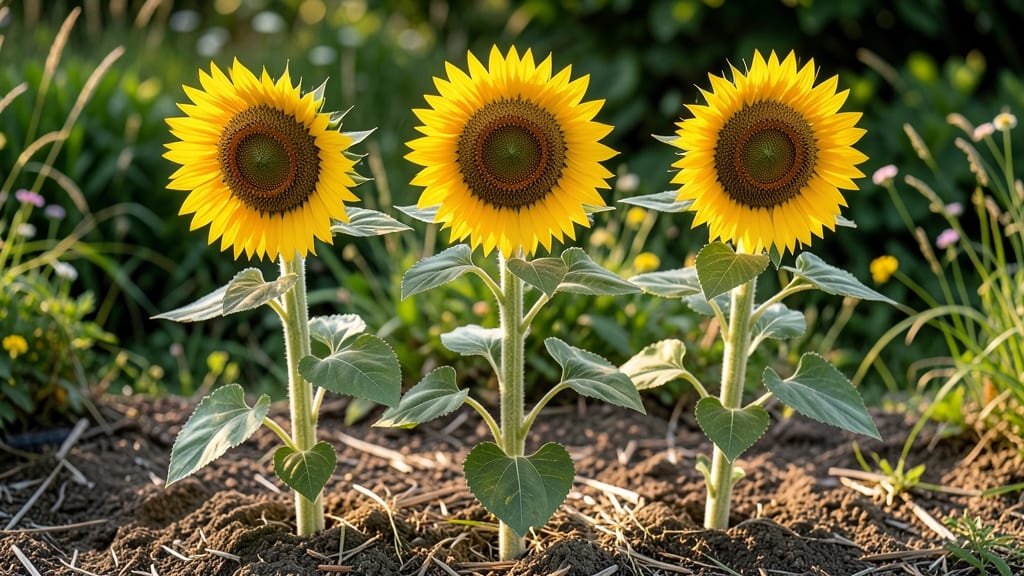
Growing sunflowers that keep blooming all season is easier than you think. 🌻 I've grown these cheerful giants for years, and the secret to multiple bloom sunflowers lies in choosing the right varieties and giving them exactly what they need to keep producing flowers.
The payoff? A sunflower patch that looks like a golden waterfall from early summer through fall.
Start with reblooming varieties like 'Moulin Rouge' or 'Autumn Beauty'—these aren't your typical single-stem giants. They'll send up multiple branches, each topped with bright blooms. Give them full sun (6+ hours daily) and well-draining soil mixed with compost.
Plant seeds ½ inch deep, 6 inches apart, and watch for sprouts in 7-14 days. The key to continuous blooms? Consistent watering (1-2 inches per week) and regular deadheading—snip off spent blooms to encourage new ones.
You'll see the first flowers in 6-8 weeks, but the magic happens when you keep the plants healthy. Healthy foliage means more energy for blooms, so fertilize lightly with a balanced 10-10-10 mix every 4-6 weeks.
Watch for powdery mildew (common in humid areas)—space plants properly and water at the base to prevent it. With these steps, you'll have sunflowers blooming until the first frost, and maybe even into winter in mild climates.
This method works for garden beds, containers, or even cut flower arrangements. The only real challenge is staying on top of deadheading, but trust me—once you see that second (or third!) flush of blooms, you'll never go back to single-stem sunflowers. Let's get those seeds in the ground!
📚 In This Guide
- What you need
- Instructions
- Tips and common mistakes
- Wrapping up and next steps
What you need
- ● Multiple Bloom Sunflower Seeds: Choose reblooming varieties like ‘Autumn Beauty,’ ‘Moulin Rouge,’ or ‘Teddy Bear’ (3–5 seeds per pot or 10–15 seeds per garden bed).
- ● Well-draining potting mix: 5–10 gallons (for containers) or 1–2 cubic yards (for in-ground planting). Mix in perlite or compost for fertility.
- ● Slow-release fertilizer: 10–20-10 NPK blend (1 tbsp per plant at planting + monthly top-ups).
- ● Organic mulch: Straw or shredded leaves (2–3 inches thick) to retain moisture and suppress weeds.
- ● Watering can or drip irrigation: 1–2 gallons capacity (sunflowers hate soggy roots!).
- ● Gloves & pruning shears: Sharp, sterilized shears (for deadheading and harvesting).
- ● Garden stakes or trellis: 4–6 ft tall (tall varieties may need support).
- ● Sunlight access: Full sun (6+ hours daily)—no compromises!
- ○ pH test kit (optional): Aim for 6.0–7.5; amend soil with lime or sulfur if needed.
- ○ Spray bottle (optional): For misting seedlings or deterring pests like aphids.
How to grow multiple-bloom sunflowers for continuous color
Here's my foolproof method for coaxing sunflowers to rebloom all season long—no fancy tricks, just smart timing and care.
🌱 Step 1: Select the Right Varieties for Reblooming
Not all sunflowers rebloom, so choose Moulin Rouge or Autumn Beauty varieties—they're bred for continuous flowering. These types grow 12-18 inches tall and produce 3-5 blooms per stem when properly managed. I always buy certified organic seeds to avoid disease-prone hybrids that fail to rebloom.
Start seeds indoors 8-10 weeks before last frost in 3-inch pots filled with sterile seed-starting mix. Keep soil at 70-75°F for fastest germination, which typically takes 7-14 days. Watch for first true leaves—that's your cue to move seedlings to a sunny windowsill or under grow lights.
☀️ Step 2: Plant in Full Sun with Proper Spacing
Transplant outdoors after all frost danger has passed, when soil reaches 55°F and nighttime temperatures stay above 50°F. Space plants 12-18 inches apart in rows 24 inches apart to allow airflow and prevent mildew. I always add 2 inches of compost to planting holes for extra nutrients that support continuous blooming.
Sunflowers need 6+ hours of direct sun daily—no compromises. If your garden gets only partial sun, plant them in the sunniest spot available. You'll notice stems grow thick and sturdy when conditions are right, while weak stems signal insufficient light or overcrowding.
💧 Step 3: Water Deeply and Deadhead for Reblooms
Water at the base 1 inch per week, letting soil dry slightly between waterings. Overhead watering encourages mildew, so I use a soaker hose or drip irrigation instead. When the first bloom opens, cut the spent flower head 1 inch below the base using clean pruners. This shock triggers the plant to produce new side shoots.
Real talk: Don't skip deadheading. Without it, sunflowers put all their energy into seed production and stop blooming. After cutting, watch for new buds forming along the stem within 2-3 weeks. These will open as your second, third, and even fourth blooms of the season.
✂️ Step 4: Fertilize and Prune for Continuous Growth
Feed plants with 5-10-10 fertilizer every 4-6 weeks starting when they reach 12 inches tall. I mix a tablespoon of fertilizer into the soil around each plant's base. Too much nitrogen makes plants grow leafy but flowerless—stick to the recommended amounts. Organic options like fish emulsion work too.
Pinch back the main stem 6 inches above the first set of true leaves when seedlings are 4-6 inches tall. This forces the plant to branch out, creating more stems that will each produce their own flowers. You'll see new side shoots emerge within 10-14 days—that's your reward for the pinch.
🌿 Step 5: Extend the Season with Cold Protection
To keep sunflowers blooming into fall, protect them from early frosts. I wrap young plants with frost cloth when nighttime temperatures drop below 40°F. For established plants, cut back all foliage after the first frost, leaving 6 inches of stem. Water deeply, then cover with 4-6 inches of mulch to insulate roots.
In spring, the mulch will break down and feed the soil while protecting roots from sudden temperature swings. You'll often see new growth emerging by late April—proof that your sunflowers are ready to bloom again. This method lets me enjoy sunflowers from June through October in most climates.
Tips & tricks for year-round sunflower blooms
Here's what I've learned after years of growing sunflowers that keep blooming all season—these tricks make the difference between a single summer show and months of vibrant color.
Variety Matters: While Moulin Rouge and Autumn Beauty are the proven rebloomers, don't overlook 'Teddy Bear' varieties—they're slightly shorter (12-18 inches) but produce 3-5 blooms per stem when given proper care. The key is choosing seeds labeled specifically for continuous flowering. I've tried other varieties that looked promising but never rebloomed, so always check the seed packet description.
Soil Temperature Secret: The 70-75°F soil temperature range for germination isn't just about speed—it's about consistency. Use a seedling heat mat if your home stays cooler than this, especially in spring or fall. I've seen germination times stretch to 21 days when soil was only 65°F, and those seedlings always struggled to catch up. Once your seedlings have their first true leaves, move them to a sunny windowsill or under grow lights immediately to maintain this warmth.
Deadheading Precision: When you cut that spent bloom head 1 inch below the base, you're not just removing the old flower—you're signaling the plant to redirect energy. I use clean pruners and make the cut at a 45-degree angle to prevent water from pooling. Watch for those new buds to appear within 2-3 weeks along the stem, and resist the urge to cut them off too early. The plant needs time to establish these new growth points before they'll produce full blooms.
Frost Protection Strategy: That 40°F threshold for frost cloth isn't arbitrary—it's when sunflower leaves start showing frost damage. I've learned to check the 5-day forecast and apply frost cloth the night before temperatures drop below 40°F, rather than waiting until it's too late. For established plants, cutting back to 6 inches of stem after the first frost creates a clean slate that often surprises me with new growth by late April.
Pro Tips for Multiple Bloom Sunflowers
- Here's what I've learned after years of growing sunflowers that keep blooming all season—these tricks make the difference between a single summer show and months of vibrant color.
- Variety Matters: While Moulin Rouge and Autumn Beauty are the proven rebloomers, don't overlook 'Teddy Bear' varieties—they're slightly shorter (12-18 inches) but produce 3-5 blooms per stem when given proper care.
- Soil Temperature Secret: The 70-75°F soil temperature range for germination isn't just about speed—it's about consistency.
Frequently asked questions
Got questions about keeping your multiple bloom sunflowers flowering all season long?
Here are the answers to the most common queries—from timing tricks to troubleshooting tips—so you can enjoy nonstop color without the guesswork.
How do I encourage my sunflowers to rebloom after the first flowers die?
After the first bloom fades, deadhead (snip off) the spent flower heads just above the next set of buds. This redirects energy to side shoots, triggering new blooms. For extra reblooms, fertilize lightly with a balanced, low-nitrogen formula (like 10-10-10) every 3–4 weeks. Avoid overwatering—sunflowers hate soggy roots!
Why aren’t my sunflowers reblooming, even after deadheading?
Reblooming can stall due to heat stress, poor nutrition, or overcrowding. Check these fixes:
- Shade cloth (30–50%) during peak summer heat (90°F+).
- Test soil pH—aim for 6.0–7.0. Amend with lime if too acidic.
- Space plants 12–18 inches apart for airflow and light.
- Try a rebloom booster like fish emulsion or compost tea mid-season.
Can I grow multiple bloom sunflowers in containers? What’s the best setup?
Use large pots (12–18 inches wide/deep) with drainage holes and well-draining soil (mix potting soil with perlite). Choose dwarf varieties like ‘Moulin Rouge’ or ‘Autumn Beauty’ (3–5 ft tall). Place containers in full sun (6+ hours/day) and water deeply 2–3x/week (let soil dry slightly between waterings). Fertilize monthly with a half-strength liquid feed.
Do multiple bloom sunflowers need special care in cold climates?
These sunflowers are annuals, but you can extend blooms in cooler zones (USDA 3–8) by:
- Starting seeds indoors 6–8 weeks before last frost for early blooms.
- Using row covers or cold frames to protect tender new growth from late frosts.
- Choosing late-season varieties like ‘Russian Giant’ (blooms in 90–100 days).
- Harvesting seeds from the first blooms to save for next year’s garden!
What’s a good alternative if my sunflowers refuse to rebloom?
If reblooming proves tricky, try these low-maintenance, long-blooming alternatives:
- Zinnias (‘Benary’s Giant’): Rebloom like crazy with deadheading; drought-tolerant.
- Cosmos (‘Sensation’): Self-seeds, thrives in poor soil, and blooms all summer.
- Sunflower ‘Teddy Bear’: Compact (18–24 inches), produces multiple small blooms per stem.
- Marigolds (‘French’ or ‘African’): Pest-repellent and prolific bloomers.
Pro Tip:
For maximum reblooms, pinch back young plants when they’re 12–18 inches tall—this encourages bushier growth and more flower heads! Use clean scissors and snip just above a leaf node.
Wrapping up and next steps
Multiple bloom sunflowers aren’t just a seasonal splash of color—they’re a year-round joy waiting to happen! With the right care, deadheading, and seasonal adjustments, you can turn your garden into a nonstop sunflower paradise.
Whether you’re a beginner or a seasoned gardener, these secrets make it easier than ever to enjoy their cheerful faces from spring to frost.
Ready to dive in? Start by planting a few varieties this season and experiment with the techniques you’ve learned. Before you know it, your garden will be buzzing with pollinators—and you’ll be the proud host of endless summer vibes! 🌻✨