
Blooming
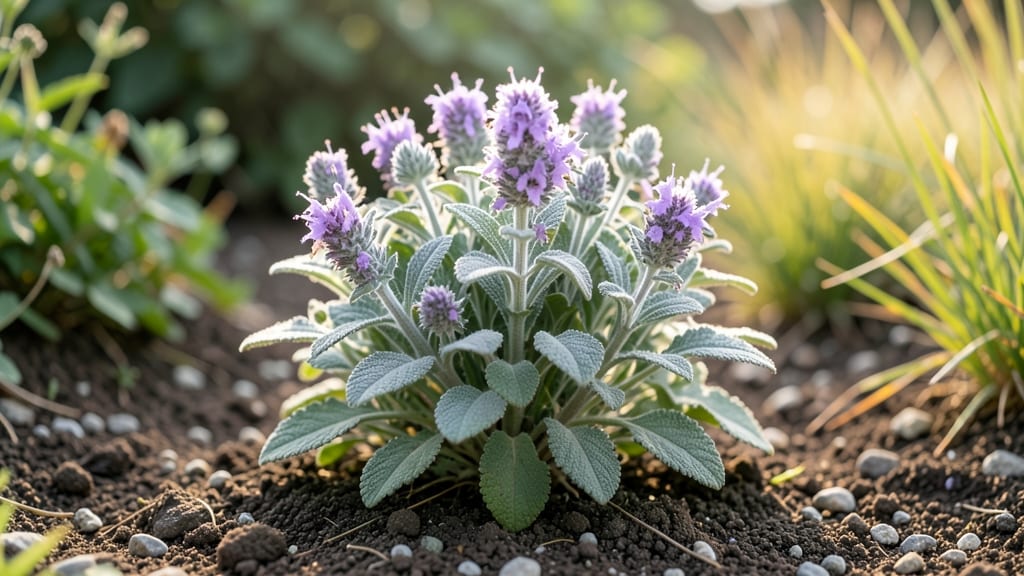
The nepeta bloom time arrives when the sun starts to dip, filling your garden with lavender haze and the hum of bees at dusk. 🌿 I’ve watched mine transform from fuzzy green bushes into fragrant clouds of purple—usually kicking off in late spring (May-June in most zones) and stretching through summer until frost.
The timing varies wildly depending on where you live, but the show is always worth the wait.
The secret to extending that bloom time? Deadheading spent flowers keeps them coming, and giving your nepeta full sun plus well-drained soil makes all the difference.
My plants in zone 6 often rebloom in fall if I cut back after the first flush—though they never quite match that initial spring burst. The fragrance alone makes it worth the effort, but the pollinators? That’s the real magic.
Pair it with catnip, Russian sage, or lavender for a purple-drenched garden that hums with life. The combination creates a bee-friendly haven while keeping deer and rabbits away—nature’s own security system.
You’ll end up with a garden that smells like a meadow at golden hour, long after your neighbors’ flowers have faded.
For those in cooler climates, start with hardy varieties like ‘Walker’s Low’—it handles heat and humidity better than most. In hotter zones, shade afternoons can prevent early burnout. Either way, your nepeta will reward you with color and scent that lasts far longer than you’d expect.
📚 In This Guide
- What you need
- Instructions
- Tips and common mistakes
- Wrapping up and next steps
What you need
- ● Nepeta plants: Choose Nepeta × faassenii (hardy to USDA Zones 3–8) or Nepeta grandiflora (Zones 5–9). Start with 3–5 plants for a pollinator-friendly cluster.
- ● Well-draining soil: Mix 60% garden soil with 30% compost and 10% perlite/sand (1 cubic yard per 10 sq ft). Nepeta hates soggy roots!
- ● Sunlight: Full sun (6+ hours daily) for peak blooms. Partial shade (3–4 hours) tolerates drier climates.
- ● Water: 1 gallon per plant weekly (deep soak, not frequent light watering). Reduce to every 10–14 days once established.
- ● Garden gloves (nitrile for prickly stems) and hand pruners (sterilized with rubbing alcohol).
- ● Slow-release fertilizer (10–10–10, ½ cup per plant in spring). Skip high-nitrogen—it stunts blooms!
- ● Mulch (2–3 inches of shredded bark or straw) to retain moisture and deter weeds.
- ● Bee-friendly companions: Plant Salvia nemorosa or Echinacea nearby for extended dusk activity. 🐝 Pro tip: Avoid pesticides—neonicotinoids repel bees!
- ● Test soil pH (6.0–7.0 ideal). Adjust with lime (to raise) or sulfur (to lower) if needed.
- ● Check local frost dates: Plant after last frost (spring) or 6–8 weeks before first frost (fall).
- ● Ensure no overhead irrigation—wet foliage invites fungal diseases like powdery mildew.
How to time nepeta blooms for maximum fragrance and pollinator activity
Here's how I coax those signature lavender-blue spikes to appear right when bees are most active—late afternoon through dusk.
🌱 Step 1: Plant in Late Winter for Ideal Spring Growth
Start by planting nepeta in late winter or early spring, about 6-8 weeks before your last frost date. This timing ensures strong root establishment before summer heat arrives. I always choose a spot with full sun (6+ hours daily)—even partial shade delays blooming and weakens fragrance intensity.
Dig holes twice as wide as the root ball but only as deep. The crown should sit just below soil level—burying too deep suffocates the plant, while planting too high stresses it. Water deeply right after planting to settle the soil and eliminate air pockets around roots. You'll see new growth in 2-3 weeks if conditions are right.
☀️ Step 2: Provide Consistent Sun and Balanced Moisture
Nepeta thrives in full sun, but afternoon shade in hot climates prevents scorched foliage. If your summers are brutal, I recommend dappled shade after 3 PM—this keeps plants lush without sacrificing bloom time. Water deeply once a week during establishment, then reduce to every 10-14 days once established, letting the soil dry slightly between waterings.
Here's the thing—overwatering is the #1 killer. You'll know moisture is right when the top 1-2 inches of soil feel dry to touch. Yellowing leaves or wilted stems signal either too much water or not enough. Once blooms appear, cut back to watering every 2 weeks—drier conditions actually enhance fragrance and prolong bloom duration.
✂️ Step 3: Prune Strategically to Encourage Repeated Blooming
The secret to prolonged bloom time is light pruning after each flush. As soon as the first blooms fade (usually late spring), trim back one-third of the plant using clean, sharp shears. This removes spent flowers and stimulates second flushes that appear 6-8 weeks later, often right around late summer to early fall—prime dusk-pollinator time.
Don't cut into old wood—always leave 2-3 sets of leaves above the cut. I make my pruning cuts at a 45-degree angle just above a leaf node to encourage bushier growth. After pruning, give plants a light feeding with balanced 10-10-10 fertilizer to support new growth. You'll see fresh shoots emerge within 10-14 days, setting up the next bloom cycle.
🌿 Step 4: Support Pollinators with Late-Season Care
To maximize dusk blooming, focus on late-season care starting in mid-summer. Deadhead faded blooms weekly to redirect energy to new flowers. I also add a thin layer of compost around the base in early fall—this provides slow-release nutrients without overwhelming the plant. The goal is to keep nepeta healthy but slightly stressed—just enough to trigger those signature twilight fragrance bursts.
Watch for aphids or spider mites on new growth—these pests weaken plants and delay blooming. Spray with neem oil at the first sign of infestation. If your nepeta starts blooming too early (before July), it's likely getting too much water or partial shade. Adjust care immediately to push blooms into the late summer/fall window when bees are most active at dusk.
Tips & tricks for perfect nepeta bloom timing
These practical insights will help you coax those signature lavender-blue blooms to appear exactly when bees are most active.
Planting Precision: Timing your late winter planting is everything—aim for 6-8 weeks before your last frost date, but don't wait until spring. I've found that planting in early February (Zone 5-7) gives roots enough time to establish before summer heat arrives. For southern climates, push to January to avoid early summer blooms. The key is getting those roots deep before the heat sets in—think of it like giving your nepeta a head start on the gardening season.
Sunlight Strategy: While nepeta loves full sun, I've learned that afternoon shade in hot climates is actually a game-changer. If your summers hit 90°F+, move plants to dappled shade after 3 PM to prevent scorched foliage while still getting that critical morning sun. This balance keeps leaves lush and maintains the energy needed for strong, fragrant blooms. I've seen plants in full afternoon sun wilt dramatically by late July—don't make my mistake!
Pruning Payoff: That one-third pruning after first blooms might seem drastic, but it's what triggers those second flushes in late summer/early fall. Here's what I've noticed: if you cut back too much (more than one-third), you'll sacrifice foliage density. If you don't prune enough, you'll get leggy stems. The 45-degree angle cut above leaf nodes is crucial—it creates those perfect growth points for bushier plants. After pruning, I always give plants a light feeding with 10-10-10 fertilizer to support that new growth spurt.
Watering Wisdom: The 1-2 inch dry soil test before watering is your best friend. I've ruined more nepeta plants through overwatering than anything else—yellowing leaves and wilted stems are classic signs you're giving too much love. Once blooms appear, cut back to every 2 weeks to enhance fragrance. The slightly drier conditions actually concentrate those essential oils that make nepeta so irresistible to pollinators. Think of it as training your plants to be more resilient.
Pro Tips for Nepeta Bloom Time
- These practical insights will help you coax those signature lavender-blue blooms to appear exactly when bees are most active.
- Planting Precision: Timing your late winter planting is everything—aim for 6-8 weeks before your last frost date, but don't wait until spring.
- Sunlight Strategy: While nepeta loves full sun, I've learned that afternoon shade in hot climates is actually a game-changer.
Frequently asked questions
When does Nepeta typically bloom, and how long do the flowers last?
Nepeta, or catmint, usually blooms in late spring to early summer, with some varieties reblooming in fall. Individual flowers last 2–3 weeks, but with proper deadheading, the plant can extend its bloom time by 4–6 weeks. Choose late-season varieties like 'Six Hills Giant' for extended dusk fragrance!
Why does Nepeta bloom best in the evening, and how can I encourage more dusk flowers?
Nepeta’s evening blooms attract pollinators like bees and butterflies, which are most active at dusk. To boost dusk blooms:
- Plant in full sun (6+ hours/day).
- Water deeply but avoid soggy soil—drought-tolerant plants bloom better.
- Deadhead spent blooms to redirect energy to new flowers.
- Fertilize lightly with low-nitrogen plant food in early spring.
What should I do if my Nepeta isn’t blooming at all?
If your catmint skips blooms, check these fixes:
- Over-fertilizing? Too much nitrogen = leafy growth, no flowers. Switch to bloom-boosting fertilizer (high phosphorus).
- Shady spot? Move to sunny location (even partial shade may reduce blooms).
- Crowded roots? Prune back 1/3 of the plant in early spring to encourage new growth.
- Old plant? Nepeta lives 3–5 years—revitalize with a rejuvenation prune or propagate cuttings.
Are there Nepeta varieties that bloom later in the season for fall interest?
Yes! For fall rebloom, try:
- 'Walker’s Low' – Classic, drought-tolerant, blooms June–September.
- 'Six Hills Giant' – Tall (36"), fragrant, reblooms in late summer/fall.
- 'Dwarf Catmint' – Compact, blooms May–October, great for containers.
Is Nepeta safe for cats, despite its name?
While non-toxic to cats, Nepeta contains nepetalactone, which can cause temporary hyperactivity or drooling if ingested in large amounts. Keep it away from curious kitties—opt for cat-safe alternatives like coleus or cat grass if needed!
Wrapping up and next steps
Nepeta’s dusk-blooming magic is all about timing, care, and patience—but the rewards are worth it! 🌙 With the right soil, sunlight, and a little pruning love, you’ll enjoy fragrant lavender-blue blooms that turn your garden into a bee-friendly haven.
Whether you’re a seasoned gardener or just starting, every bud is a step toward a thriving, pollinator-friendly space.
Ready to watch your Nepeta flourish? Start by planting your first batch this season—or share your progress with fellow gardening enthusiasts! 🌱🐝