
Neem Oil
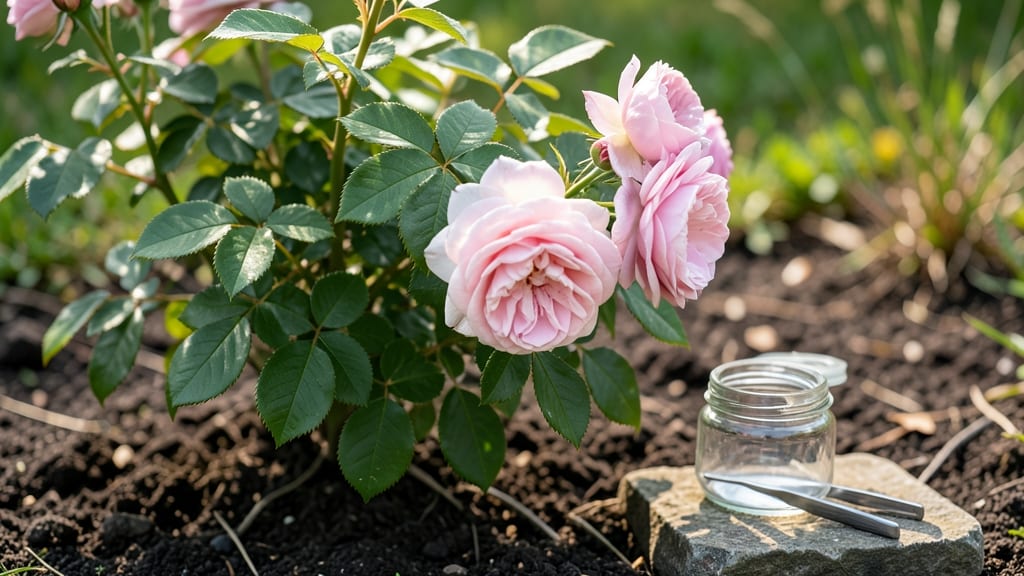
Oil from a rose is extracted from rose petals through steam distillation or solvent methods, capturing the plant’s aromatic compounds for therapeutic and cosmetic uses. Its high concentration delivers potent fragrance and skin benefits, but purity varies by extraction technique.
This ultra-concentrated liquid captures the essence of roses through precise extraction methods like steam distillation, which gently preserves delicate floral compounds. 🌹 The result is a powerful elixir used in everything from luxury perfumes to natural skincare treatments, though its potency means proper dilution is essential for safe use.
Unlike diluted rosewater, rose oil maintains the plant's full aromatic profile, making it ideal for high-end formulations where subtle floral notes elevate the final product.
What sets rose oil apart is its versatility—it's not just for beauty routines. Many gardeners swear by it as a natural pest repellent when mixed with water, while aromatherapists recommend it for stress relief due to its calming lavender-like properties.
The key difference between rose essential oil and rose absolute lies in their extraction processes: absolute uses solvents to capture even more compounds, resulting in a richer but sometimes more expensive product.
💡 In This Article
- How Rose Oil Extraction Preserves Petal Fragrance
- Best Organic Rose Oil Uses in Gardening and Wellness
How rose oil extraction preserves petal fragrance
The magic of rose oil begins with capturing the plant's volatile aromatic compounds, which are responsible for its signature scent. Steam distillation—one of the most common methods—works by passing steam through rose petals at 95-100°C (203-212°F).
This heat causes the petals to release their essential oils, which then condense and separate from the water. The result is a delicate balance of compounds like geraniol, citronellol, and phenylethyl alcohol, each contributing to the oil's complex floral aroma. 🌹
In contrast, solvent extraction creates what's called "rose absolute," a far more concentrated product. This method uses solvents like hexane to dissolve the oils from the petals, followed by evaporation to remove the solvent.
The remaining oil contains a broader spectrum of compounds, including waxes and resins that aren't captured in steam distillation. Rose absolute typically yields 1-3% oil per 100 grams of petals, compared to just 0.02-0.05% for steam-distilled essential oil, making it significantly more potent and expensive.
The extraction process directly impacts the oil's quality and stability. Steam distillation preserves the oil's natural composition but may lose some heavier compounds, while solvent extraction captures everything but can introduce trace solvent residues if not properly refined.
Temperature control is critical—too high, and the delicate compounds degrade; too low, and the yield suffers. This is why reputable producers carefully monitor pressure and temperature throughout the process. 🔥
Rose oil's potency also depends on the rose variety used. Damask roses, the most prized for extraction, contain 25-35% essential oil content in their petals, while other varieties may produce only 10-15%**.
The oil's color, which ranges from pale yellow to deep amber, can indicate its age and quality—fresh oil is typically lighter in hue. Over time, exposure to light and air causes oxidation, which alters the scent profile and reduces effectiveness.
Understanding these differences helps you choose the right product for your needs. For example, steam-distilled rose oil is ideal for aromatherapy due to its balanced composition, while rose absolute is preferred in high-end perfumery for its richer depth.
The extraction method isn't just about scent—it affects how the oil interacts with skin, its shelf life, and even its therapeutic properties. 💫
When selecting rose oil, look for labels that specify the extraction method and rose variety. Organic certification ensures no synthetic solvents or pesticides were used, which is especially important for skincare applications.
The concentration of active compounds can vary widely, so always check the dilution guidelines—typically 1-2% for skincare and 2-5% for aromatherapy—to avoid skin irritation or overpowering fragrances.