
Flowers
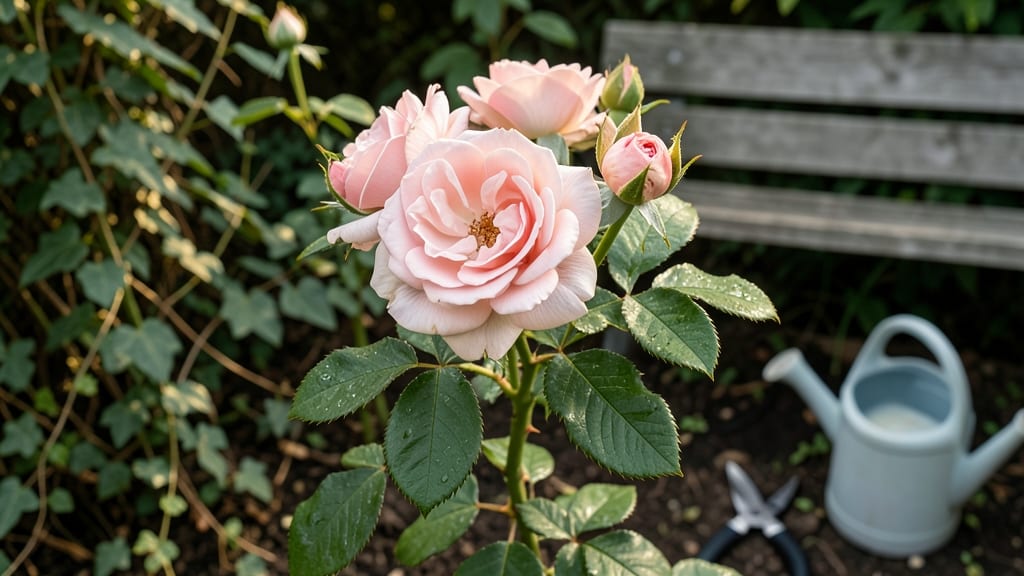
The parts of a rose flower include five essential components—the petals, sepals, stamens, pistil, and receptacle—that work together to support pollination, reproduction, and overall plant health. Each part serves a unique function in the flower's life cycle.
The rose flower's anatomy is a masterpiece of nature's design, where every part has a specific job. 🌹 The petals aren't just decorative—they're the flower's calling cards, luring bees, butterflies, and other pollinators with vibrant colors and sweet fragrances.
Meanwhile, the sepals act as protective shields for the developing bud, ensuring the flower's delicate inner workings stay safe until it's time to bloom.
What's fascinating is how the stamens (male reproductive organs) and pistil (female reproductive organ) work together: stamens produce pollen, while the pistil's sticky stigma captures it to fertilize the ovary, eventually forming seeds.
Even the receptacle plays its part by anchoring the flower and providing nutrients through its connection to the stem.
Understanding these components helps gardeners make better decisions about care and pruning. For example, knowing where stamens and pistils are located can prevent accidental damage during trimming, while recognizing petal patterns helps identify healthy blooms ready for pollination.
The interplay between these parts is what makes roses so resilient—and so rewarding to grow.
💡 In This Article
- How Each Rose Flower Part Contributes to Pollination
- Identifying Rose Flower Parts for Better Gardening
How each rose flower part contributes to pollination
The petals are the flower's primary pollinator magnets, designed with a combination of color, scent, and texture that signals availability. Take the classic red rose—its deep hue isn't just visually striking but also absorbs heat, increasing scent volatility to release more fragrance molecules into the air.
This scent contains volatile organic compounds like phenylethyl alcohol, which mimics the smell of fruit to bees, making them more likely to investigate.
The petals' texture also plays a role: their slightly waxy surface provides grip for pollinators like butterflies, while their delicate veins create patterns that guide insects toward the flower's center where the reproductive organs reside. 🌸
Beneath the petals, the sepals form a protective green cup around the bud before it opens. These modified leaves shield the flower's vulnerable reproductive parts from physical damage, excessive moisture, and even some pests.
In roses, sepals often remain attached to the stem even after the petals fall, creating the familiar "rose hip" fruit that forms after pollination. The sepals also play a subtle role in photosynthesis during the bud stage, providing energy for the developing flower.
Their position at the base of the flower creates a natural funnel that directs pollinators inward, increasing the chances of successful contact with the reproductive structures.
The stamens represent the male reproductive system, consisting of two main parts: the anther (which produces pollen) and the filament (the stalk that holds it). In roses, stamens are typically arranged in a circular pattern around the central pistil, with each anther containing thousands of pollen grains.
These grains are released when pollinators brush against them—a process called buzz pollination when bees vibrate their flight muscles. The pollen's sticky surface contains proteins that help it adhere to pollinators' bodies.
What's fascinating is that rose pollen often contains lipids that make it more likely to stick to fuzzy insects like bumblebees, increasing transfer efficiency to other flowers. 🐝
At the flower's center, the pistil serves as the female reproductive organ, composed of three critical parts: the stigma (a sticky surface that captures pollen), the style (a slender stalk), and the ovary (which contains ovules).
The stigma's surface area is dramatically increased by tiny papillae that create a textured landing zone for pollen grains. Once captured, pollen tubes grow down the style over 24-48 hours, carrying sperm cells to fertilize the ovules in the ovary.
This entire process requires precise timing—rose flowers often open at specific times of day when pollinators are most active, typically between 8 AM and 11 AM when temperatures are optimal (around 70-80°F).
The receptacle might seem like a simple support structure, but it's actually the flower's lifeline. This swollen part of the stem contains vascular bundles that transport water, nutrients, and sugars to all other flower parts.
The receptacle's shape varies by rose variety—some are flat while others are conical—which affects how petals and reproductive organs are arranged. In climber roses, the receptacle often develops into a hip after pollination, which contains the seeds and provides nourishment for new plants.
The receptacle's position also creates a stable platform that prevents the flower from toppling over during wind or when pollinators land heavily. 🌿
What makes rose pollination particularly efficient is the flower's self-compatibility—many rose varieties can fertilize themselves, though cross-pollination often produces stronger offspring. The flower's anatomy creates a three-stage pollination system: first attracting pollinators with petals, then capturing pollen on the stigma, and finally ensuring fertilization through the ovary.
This multi-layered approach explains why roses are among the most successful flowering plants, with some varieties producing 50-100 flowers per stem during peak blooming seasons.