
Blooming
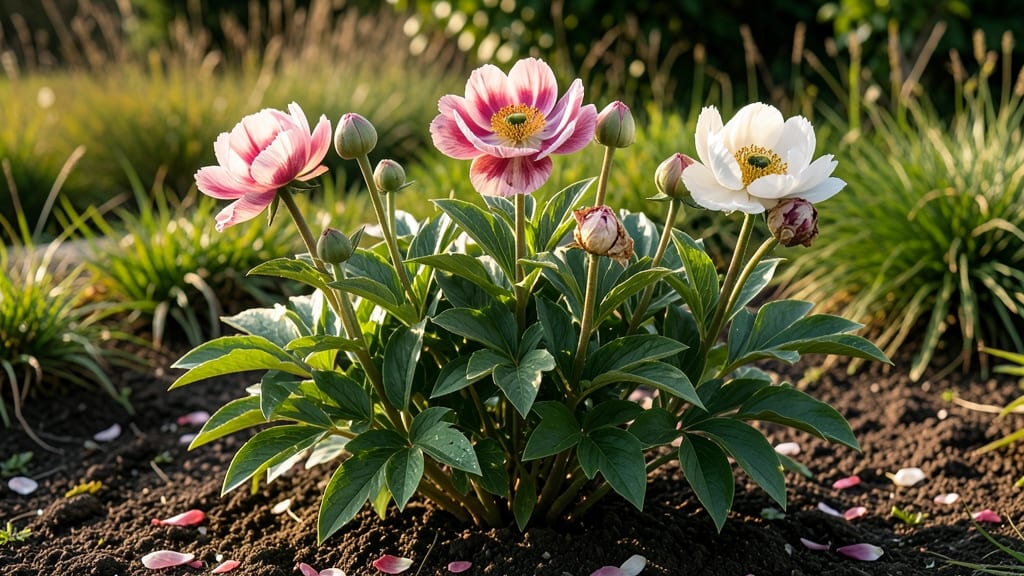
Peony blooms don’t just open—they perform a heat-triggered ballet that turns your garden into a showstopper. 🌸 From tight buds in May to velvety petals by June, each stage reveals how these old-fashioned beauties time their grand entrance with the warming soil beneath.
What most gardeners miss is how to read these cues and adjust care to keep them blooming longer.
The first sign is those fuzzy green buds in late spring, when soil hits 50°F. That’s when they’re most vulnerable to frost—cover them if nights dip below 32°F, and you’ll protect weeks of growth.
Water deeply here, but avoid soggy soil, which causes buds to rot before they even open. The real magic happens when buds swell to golf-ball size—that’s when pruning mistakes (like cutting too early) can ruin the show.
By stage three, those buds burst into rosy pink or creamy white, and the fragrance hits you like a wave. This is peak bloom, lasting 7-10 days if you’ve been watering consistently (deep soaks, not light sprinkles).
The secret? Mulch around the base to keep roots cool—hotter than 85°F and blooms wilt faster. Even better, deadhead spent blooms to encourage a second flush in some varieties.
After the petals fall, don’t prune yet—wait until after the first frost when foliage yellows. Those leaves feed next year’s blooms, and cutting too soon starves your peonies. Mark your calendar: late fall is when you shape them, and by then, you’ll recognize every stage like an old friend.
📚 In This Guide
- What you need
- Instructions
- Tips and common mistakes
- Wrapping up and next steps
What you need
- ● Peony plants: Choose Paeonia lactiflora or Paeonia officinalis varieties (3-5 mature plants for clear observations).
- ○ Thermometer (digital soil/air): Track soil temps (60–70°F) and air temps (50–85°F) during blooming. Optional: Data logger for continuous monitoring.
- ○ Camera or smartphone: With a macro lens (optional) for close-up shots of buds, petals, and stamens.
- ● Notebook or digital tracker: To log bloom dates, weather, and heat exposure (e.g., Google Sheets or a garden journal).
- ● Pruning shears: Sterilized, sharp shears (for deadheading or trimming spent blooms).
- ● Watering can or drip irrigation: Peonies need 1–1.5 inches of water weekly; avoid overhead watering to prevent disease.
- ● Mulch (straw or wood chips): 2–3 inches to retain moisture and regulate soil temp.
- ● Heat-stress indicators: Thermochromic paint strips to visually track soil/air temp changes.
- ● Garden stakes & twine: To support tall peony stems (especially in windy areas).
- ● Pest control
- ● Fungicide (copper-based): For powdery mildew prevention (apply if humidity exceeds 70%).
- ● GPS or garden map: To track plant locations if testing heat zones (e.g., full sun vs. partial shade).
Understanding peony bloom stages: how heat unlocks their beauty
Peonies don’t just bloom—they put on a show triggered by warmth and patience. Here’s how to recognize each growth phase and what it means for your plants.
🌱 Step 1: Bud Formation in Early Spring
Watch for swollen buds in late April or early May, when soil temperatures hit 50°F. These plump, fuzzy buds are your first sign that the plant has broken dormancy and is preparing to bloom. I always check mine after the last frost—if the buds are still firm, they’re not ready yet.
Don’t prune anything yet. Peonies store energy in their roots, and cutting back too early can weaken next year’s blooms. Instead, remove any dead foliage from last season, but leave the buds untouched. They’ll need consistent moisture now—water deeply if rainfall is scarce.
☀️ Step 2: Bud Swelling and Color Development
When buds double in size and show hints of color (pink, red, or white), they’re entering the heat-triggered phase. This usually happens when daytime temperatures stay above 60°F for 3-5 days. I’ve seen buds open faster in sunny spots, so position your peonies where they get full sun—at least 6 hours daily.
This is also when you’ll notice bud blast—buds that swell but then dry up. It’s often caused by late frosts or inconsistent watering. If you see this, cover plants with frost cloth on chilly nights and water at the base (not overhead) to prevent fungal issues.
🌿 Step 3: Bloom Opening and Peak Showtime
The moment buds split open is the payoff. Full blooms appear when daytime temps reach 70°F+, and the process takes 3-7 days depending on the variety. I love watching the layers unfurl—first the outer petals, then the inner ones revealing their velvety centers.
Peonies bloom for 7-10 days at peak. To extend their time, deadhead spent blooms immediately (cut stems to the first set of leaves). But here’s the thing—don’t cut back foliage yet. The leaves feed the roots for next year’s blooms, so leave them until they turn brown in fall.
⏰ Step 4: Post-Bloom Care for Next Season’s Growth
After blooms fade, the real work begins. Let the foliage stay until late autumn (when it yellows and dies back). This ensures the roots store enough energy for next year’s buds. I mark my calendar for October 1st—that’s when I prune back stems to 2 inches above ground, but only after the leaves are crispy.
Mulch lightly with 2-3 inches of compost to protect roots from winter temps. Peonies are hardy, but consistent mulching keeps them thriving. And here’s a pro tip: Divide clumps every 4-5 years (in early fall) to prevent overcrowding—this keeps blooms bigger and more abundant.
Tips & tricks for perfect peony bloom development
These little-known tricks will help you coax the most stunning blooms from your peonies—without the guesswork.
Heat Timing: The 50°F soil temperature threshold in Step 1 is your green light to stop worrying about frost damage. I’ve found that checking soil temp with a simple thermometer (or even your wrist—if it feels chilly, it’s not ready) prevents premature bud opening. Once you hit 50°F consistently, that’s when you can confidently start monitoring for swollen buds. The key is patience here—rushing can lead to bud blast when temperatures fluctuate.
Sunlight Strategy: That 6 hours of full sun requirement in Step 2 isn’t just about heat—it’s about consistent warmth. I’ve noticed my peonies in partial shade take 2-3 extra days to reach the color development phase compared to those in full sun. If your garden has limited sun, position your peonies where they get the most direct afternoon sunlight (when temps are warmest) rather than spreading exposure throughout the day.
Bud Blast Prevention: When buds swell but then dry up in Step 2, it’s usually a cry for help. I’ve had success using frost cloth not just at night but also during unpredictable afternoon temperature drops. The secret is to remove it as soon as temps rise above 60°F—leaving it on when it’s warm creates humidity that promotes fungal issues. Also, water at the base (not overhead) during this critical phase to keep buds dry and healthy.
Post-Bloom Energy Storage: That October 1st pruning date in Step 4 is my personal garden calendar reminder. Here’s what I do differently: I wait until the foliage is completely crispy before pruning, but I start reducing watering in late September. This gradual change signals the roots to focus on storing energy rather than supporting active growth. The 2-3 inches of compost mulch should be added after the first frost for maximum winter protection.
Pro Tips for Peony Bloom Stages
- These little-known tricks will help you coax the most stunning blooms from your peonies—without the guesswork.
- Heat Timing: The 50°F soil temperature threshold in Step 1 is your green light to stop worrying about frost damage.
- Sunlight Strategy: That 6 hours of full sun requirement in Step 2 isn’t just about heat—it’s about consistent warmth.
Frequently asked questions
Got questions about peony bloom stages?
Here are answers to the most common ones—from timing to troubleshooting—so you can enjoy every phase of these stunning flowers!
When do peonies typically bloom, and how long does each stage last?
Peonies usually bloom between late April and June, depending on your climate. The full bloom cycle spans 7–10 days, with bud formation taking 2–3 weeks before opening. Herbs like lavender or catmint planted nearby can help extend their display by attracting pollinators!
How can I tell if my peony buds are ready to open?
Watch for buds that feel firm but slightly soft when gently squeezed—like a ripe peach! If they’re still hard, they need more time; if they’re mushy, they may be overripe. Morning sunlight often triggers opening, so avoid heavy mulch near the base to prevent rot.
Why aren’t my peony buds opening this year?
Common culprits include cold snaps (peonies need consistent warmth), overcrowded roots, or poor drainage. Try staking buds to prevent wind damage and ensure they get 6+ hours of sunlight daily. If buds form but don’t open, they might be “blind”—a sign of stress or disease.
Can I force peonies to bloom earlier or later?
While you can’t force peonies to bloom out of season, you can encourage earlier blooms by planting in full sun and mulching with compost in early spring. For later blooms, avoid heavy fertilizing after June—it can delay flowering. Hardy varieties like ‘Sarah Bernhardt’ bloom reliably year after year!
What should I do after peonies finish blooming?
Deadhead spent blooms to redirect energy to next year’s buds, but leave foliage until it yellows (usually late fall). This helps roots store nutrients. In Zone 5 or colder, add a 3-inch layer of mulch to protect roots from freeze-thaw cycles.
Wrapping up and next steps
Understanding the peony bloom stages—especially how heat triggers their stunning transformation—can turn your garden into a vibrant masterpiece! 🌸 From tight buds to full, lush blooms, each phase is a testament to nature’s precision.
Whether you’re a seasoned gardener or just starting, embrace the process and enjoy the journey as your peonies unfold.
Now that you’re armed with knowledge, why not take the next step? Experiment with different varieties, track their progress, or even share your blooming adventures with fellow plant enthusiasts. Happy gardening! 🌱