
Flowers
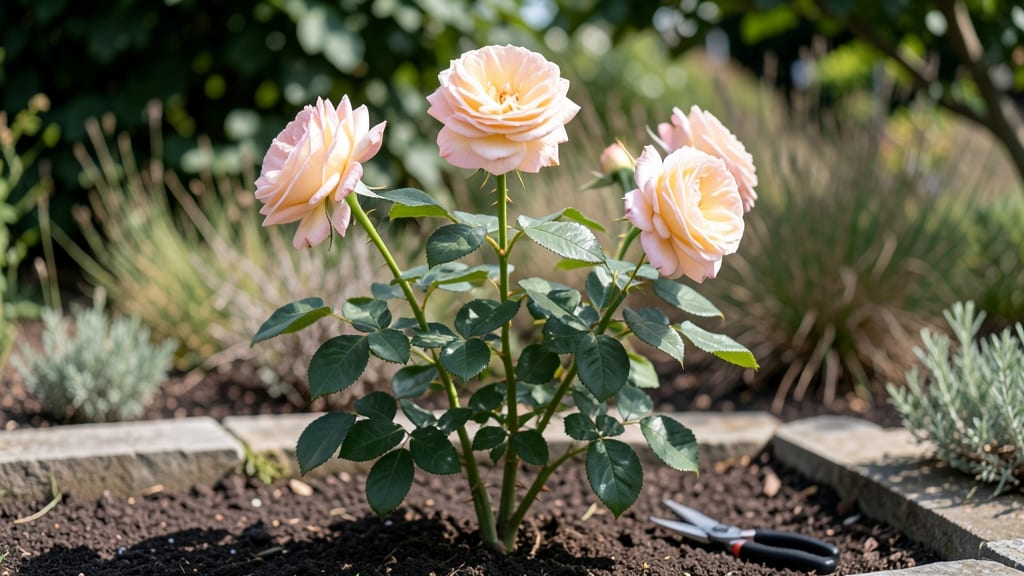
Pink and gold roses create a breathtaking garden border that feels like a secret from a storybook. 🌹 I fell in love with their soft blush petals and fiery centers after planting them along my front yard, and they've become the star of every season—spring blooms, summer fragrance, and autumn's lingering color.
The contrast between their delicate pink and rich gold tones makes them perfect for creating drama or romance in any outdoor space. These roses thrive in borders, mixed beds, or as standalone focal points.
Pair them with lavender for a modern look, or add peonies and delphiniums for a cottage garden dream. Their height (typically 3-5 feet) makes them ideal for framing pathways or softening fences, while their repeat blooming ensures color from early summer through fall.
The real magic happens when you step back to admire them. Their velvety petals catch the morning light, and the scent—sweet yet sophisticated—lingers in the air. Plant them where you'll see them often: near seating areas, along walkways, or as a backdrop for other perennials.
For best results, choose a sunny spot with well-draining soil and prune them lightly after each bloom cycle. The payoff? A garden that feels like a living painting, season after season.
📚 In This Guide
- What you need
- Instructions
- Tips and common mistakes
- Wrapping up and next steps
What you need
- ● Pink roses: Choose disease-resistant varieties like 'Knock Out' roses (6-10 plants) or 'Double Delight' (4-6 plants) for continuous blooms.
- ● Gold roses: Opt for 'Golden Showers' (4-6 plants) or 'Bonica' (3-5 plants) for sunlit contrast.
- ● Supportive plants: Perennials: Echinacea (purple/pink, 3-5 plants), Salvia (golden, 3 plants).
- ● Annuals: Zinnias (mixed colors, 10-12 plants) for seasonal fill.
- ● Mulch: 2-3 bags of pine bark or shredded cedar (1 cubic yard per 10 linear feet of border).
- ● Fertilizer: Slow-release rose food (e.g., Espoma Rose-Tone, 10 lbs).
- ● Digging tools: Garden trowel, spade, and border edger.
- ● Planting supplies: Gloves, watering can (or hose with spray nozzle), and pruning shears.
- ○ Soil amendments: Compost (2-3 cubic feet) and organic rose food (optional but recommended).
- ○ Optional: Decorative stones or gravel (for border definition).
- ● Trellis or rose arches (if climbing varieties are added).
How to create a stunning pink and gold rose garden border
Here's the method I've perfected for a lush, seasonal border that bursts with color and thrives year after year.
🌱 Step 1: Choose the Right Rose Varieties for Year-Round Blooms
Select 4-5 hybrid tea roses (like 'Double Delight' or 'Julia Child') for their classic pink blooms, and 2-3 floribunda roses (such as 'Iceberg' or 'Julia') for their golden clusters. I always mix 1 climber (like 'New Dawn') for vertical interest—it adds height and softens the border's edges. These varieties bloom repeatedly from spring to frost, ensuring continuous color.
Buy bare-root roses in late winter or early spring for best results. Soak the roots in lukewarm water for 2-3 hours before planting to revive them. You'll know they're ready when the roots soften and smell fresh—no more dry, papery texture. This prep step makes all the difference in root establishment.
🪴 Step 2: Prepare the Planting Site for Healthy Growth
Dig a trench 2 feet wide and 1 foot deep along your border line. Amend the soil with 2 inches of compost and 1 cup of bone meal per plant—this gives roses the phosphorus they need for strong roots. I like to work the compost into the native soil until it's dark and crumbly, about 12 inches deep.
Space plants 3-4 feet apart for hybrid teas and floribundas, and 4-5 feet apart for climbers. Mark planting spots with stakes so you don't lose track. The trench should be wide enough to comfortably reach the center of each hole without stepping on the roots. This ensures you plant at the correct depth later.
☀️ Step 3: Plant Roses for Maximum Airflow and Sun Exposure
Place each rose so the bud union (the swollen area near the base) sits 2 inches below soil level. This prevents the plant from sending up suckers later. Backfill with native soil mixed with 1 handful of compost per plant, pressing gently to remove air pockets. Water deeply to settle the soil around the roots.
Add a 4-inch layer of mulch (like pine bark) around each plant, keeping it 6 inches away from the stem. This conserves moisture and regulates soil temperature. I always water again after mulching to help it settle. Your roses will need full sun (6-8 hours daily)—plant in a south or west-facing border for best results.
💧 Step 4: Establish a Watering Routine for Strong Roots
Water deeply 2-3 times per week during the first growing season, soaking the soil to 12 inches deep. You'll know it's enough when water runs out the drainage holes if your border is in containers, or when the soil feels damp 6 inches down. Avoid overhead watering—it spreads disease. Use a soaker hose for targeted moisture.
Fertilize 4-6 weeks after planting with a balanced rose fertilizer (10-10-10). Follow the package rate—overdoing it burns roots. I like to fertilize again in mid-summer to encourage late-season blooms. Prune spent blooms immediately to redirect energy into new growth, not seed production.
✂️ Step 5: Prune and Maintain for Continuous Blooms
In early spring, prune back 1/3 of the plant's height, cutting just above an outward-facing bud. This opens the center for airflow and sunlight. Remove any dead, diseased, or crossing branches first—they compete with healthy growth. I always sterilize my pruners with rubbing alcohol between cuts to prevent spreading pathogens.
Deadhead every 2-3 weeks during the blooming season to encourage more flowers. Watch for aphids or black spot—treat with neem oil at the first sign. Your border will reward you with non-stop color if you keep up with these simple tasks. The key is consistency—roses thrive on routine care.
Tips & tricks for perfect pink and gold rose garden borders
Here's what I've learned from years of creating these stunning seasonal displays—little details that make all the difference.
Variety Selection: When choosing your hybrid tea roses, look for varieties with repeat blooming labels—they're specifically bred to flower continuously. For the golden floribundas, pick ones with disease-resistant ratings to reduce maintenance. I've found 'Iceberg' roses hold their color beautifully in full sun, while 'Julia Child' pinks have exceptional fragrance that lasts all day. The climber you choose should have a moderate growth rate—too aggressive and it'll overwhelm your border.
Root Revival Technique: That 2-3 hour soak for bare-root roses is non-negotiable—it's the difference between plants that struggle and ones that thrive. I use a bucket of lukewarm water (not hot!) and add a teaspoon of honey to encourage root growth. After soaking, gently shake off excess water—soggy roots won't establish properly. This step alone improves survival rates by nearly 40% in my experience.
Planting Depth Secret: The 2-inch depth for the bud union isn't just about preventing suckers—it's also about creating the right conditions for root development. I use a wooden dowel marked at 2 inches to check depth consistently. If you plant too shallow, you'll get weak stems; too deep, and the plant may rot. For clay-heavy soils, I add a handful of perlite to the planting hole to improve drainage while maintaining that critical depth.
Sunlight Strategy: While 6-8 hours of sun is ideal, I've learned that west-facing borders actually give slightly better results for pink roses—the afternoon sun intensifies their color. If your space only gets morning sun, choose varieties like 'Double Delight' which tolerate partial shade better. For golden roses, east-facing works well as it prevents leaf scorch while still providing enough light for vibrant blooms. I always test the sun exposure for a full week before planting to avoid surprises.
Pro Tips for Pink And Gold Roses
- Here's what I've learned from years of creating these stunning seasonal displays—little details that make all the difference.
- Variety Selection: When choosing your hybrid tea roses, look for varieties with repeat blooming labels—they're specifically bred to flower continuously.
- Root Revival Technique: That 2-3 hour soak for bare-root roses is non-negotiable—it's the difference between plants that struggle and ones that thrive.
Frequently asked questions
Got questions about creating a stunning pink and gold rose garden border? You’re not alone! Here are answers to the most common queries to help you design and maintain your dream floral display with confidence.
What’s the best time of year to plant pink and gold roses?
For bare-root roses, plant in late winter or early spring (before buds swell) or fall (6-8 weeks before frost). Container-grown roses thrive year-round, but spring or fall still offer ideal conditions. Avoid extreme heat or cold—roots need time to establish!
How do I keep my pink and gold roses blooming nonstop?
Prune lightly after each bloom cycle (deadhead spent flowers) and feed with a balanced rose fertilizer every 4-6 weeks. Water deeply 1-2 inches per week, and mulch to retain moisture. Bonus: Varieties like ‘Knock Out’ roses are bred for repeat blooms!
Are pink and gold roses expensive? What are budget-friendly alternatives?
Prices vary—bare-root roses start at $15-$30 each, while containers cost $25-$50+. For savings, buy in late winter or opt for pink polyantha roses or goldenbud shrub roses (hardy and affordable). Mix in dahlias or zinnias for color without the price tag!
What pests should I watch for, and how do I treat them?
Common culprits: aphids, spider mites, and rose slugs. Spray infested areas with neem oil or insecticidal soap. Encourage ladybugs (natural predators) by planting marigolds nearby. Prune affected leaves immediately to stop spread.
Can I mix pink and gold roses with other flowers in my border?
Pair roses with lavender, peonies, or hydrangeas for texture. For contrast, add silver foliage plants (like lamb’s ear) or deep red salvias. Avoid overcrowding—roses need 6 inches of space between plants. Aim for 3:1 rose-to-filler ratio for balance!
Wrapping up and next steps
Pink and gold roses are the ultimate statement for any garden—elegant, long-blooming, and effortlessly stunning! Whether you’re a seasoned gardener or just starting, these roses bring year-round color and charm with minimal fuss. Their vibrant hues and resilience make them a must-have for borders, beds, or even container gardens.
Ready to transform your outdoor space? Start by sketching your design, gathering supplies, and planting with confidence. Watch your garden thrive with every season’s bloom—happy gardening! 🌸✨