
Flowers
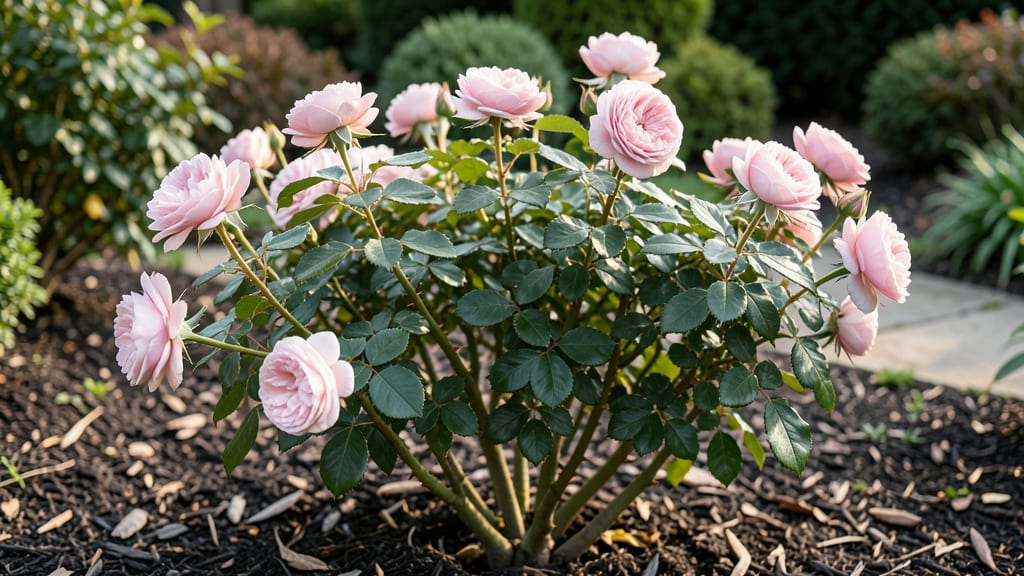
Pink Iceberg roses bring shockingly bold color to any garden with their layered petals and year-round blooms—and they’re easier to grow than most roses promise. 🌹 I’ve grown them for three seasons now, and they’ve never failed to deliver those perfect, ruffled blooms with almost no fuss.
The secret lies in their disease-resistant nature and their ability to thrive in partial shade, making them perfect for gardeners who want drama without the constant pruning and spraying.
These roses love well-draining soil (amend with compost if yours is heavy clay) and 6+ hours of sunlight daily, though they tolerate morning sun with afternoon shade better than full sun.
Space them 3-4 feet apart to give their canes room to grow—crowding leads to poor airflow and more pests. Water deeply once a week (more in extreme heat), and you’ll avoid the most common rose problems before they start.
Pruning is foolproof if you do it twice a year: once in late winter to shape the plant and again after blooms fade to encourage more flowers. Deadhead spent blooms regularly, and you’ll get continuous blooms from spring through frost.
The petals stay vibrant pink for days, even after cutting, which means you’ll have fresh bouquets without the effort.
They’re pest-resistant but watch for rose slugs (those slimy caterpillars) and Japanese beetles—a quick spray of neem oil keeps them away. In colder zones, mulch heavily in fall to protect roots, and you’ll have next year’s blooms ready to go.
These roses prove that low-maintenance doesn’t mean low-impact—just plant one, and your garden will never look back.
📚 In This Guide
- What you need
- Instructions
- Tips and common mistakes
- Wrapping up and next steps
What you need
- ● Pink Iceberg rose bushes: 1-3 bare-root or potted plants (choose disease-resistant varieties like 'Iceberg' or 'Quicksilver').
- ● Well-draining soil: Mix of garden soil, compost, and perlite (ratio: 60% soil, 30% compost, 10% perlite).
- ● Fertilizer: Slow-release rose fertilizer (e.g., 10-10-10 NPK) or organic options like fish emulsion.
- ● Mulch: 2-3 inches of organic mulch (e.g., wood chips or straw) to retain moisture.
- ● Pruning shears: Sharp, clean shears (sterilize with rubbing alcohol).
- ● Staking system: 4-6 ft bamboo stakes + soft ties (for outdoor planting).
- ● Drip irrigation or hose: For consistent watering (aim for 1-2 inches per week).
- ● Rose food or bloom booster (e.g., Epsom salt for magnesium).
- ● Pest control: Neem oil or insecticidal soap (prevents aphids/black spot).
- ● Container: Large pot (15+ gallons) with drainage holes (for patio gardening).
- ● Floral preservative (e.g., Chrysal Clear) for cut-stem arrangements.
- ● Gloves + knee pads (for comfy planting!).
- ● Sunlight: 6+ hours of direct sun daily (partial shade in hot climates).
- ● Climate: Plant in spring or fall (avoid frost or extreme heat).
- ● Space: 3-4 feet apart for bushes (or 18+ inches for dwarf varieties).
How to grow stunning pink Iceberg roses with year-round blooms
Here’s the straightforward approach I’ve used to keep these showstopping roses thriving—no fuss, just consistent results.
🌱 Step 1: Select the Right Location and Prepare the Soil
Pink Iceberg roses demand full sun—at least 6-8 hours of direct sunlight daily. I always choose a spot sheltered from strong afternoon winds, which can tear delicate petals. Test your site by marking where the sun hits at midday; shadows mean your roses will struggle to bloom as boldly.
Amend the soil with 3-4 inches of compost mixed into the top 12 inches of soil. These roses prefer well-draining, slightly acidic soil (pH 6.0-6.5). If your soil is heavy clay, add sand or perlite to improve drainage. A soil test kit ensures you’re not missing hidden issues like compacted layers or poor fertility.
☀️ Step 2: Plant at the Correct Depth and Spacing
Dig a hole twice as wide as the root ball but only as deep as the container’s base. Pink Iceberg roses have shallow roots, so burying too deep suffocates them. Place the plant so the graft union (visible bump near the base) sits 1-2 inches above soil level—this prevents rot and encourages strong growth.
Space plants 3-4 feet apart in rows or 4-5 feet apart in beds. Crowding leads to poor airflow, which invites fungal diseases like black spot. After backfilling, water deeply to settle the soil and eliminate air pockets. The top 1-2 inches should remain dry to prevent stem rot.
💧 Step 3: Water Deeply and Establish a Consistent Routine
Water once a week during the first growing season, delivering 1-1.5 gallons per plant each time. The goal is to soak the root zone (about 12 inches deep) so roots grow deep rather than staying shallow. Check moisture by sticking your finger 2 inches down—if it’s dry, water again.
Once established, reduce watering to every 10-14 days unless your area experiences extreme heat or drought. Overwatering is the fastest way to kill these roses—yellowing leaves or wilting despite damp soil signals you’re overdoing it. Always water at the base, not overhead, to keep petals dry and disease-free.
✂️ Step 4: Prune for Continuous Blooms and Strong Structure
Prune twice a year: late winter (just before new growth starts) and after each major bloom cycle. In winter, cut back one-third of the plant, removing dead, diseased, or crossing branches. This opens airflow and prepares the plant for spring. Always use clean, sharp pruners to make 45-degree cuts just above an outward-facing bud.
After blooms fade, deadhead spent flowers by cutting back to the first healthy leaf below the bloom. This redirects energy into new growth rather than seed production. Avoid heavy pruning in fall—it stresses the plant before dormancy. A light trim to remove only damaged or weak growth keeps the plant healthy through winter.
🌿 Step 5: Feed and Protect for Longevity
Apply a balanced rose fertilizer (10-10-10) every 4-6 weeks during the growing season. I switch to a low-nitrogen, high-phosphorus formula (5-10-10) when buds form to encourage bold, vibrant blooms. Always water before fertilizing to prevent root burn. Organic options like fish emulsion or compost tea work well if you prefer chemical-free care.
Mulch with 2-3 inches of organic mulch (like shredded bark) around the base, keeping it 6 inches away from the stem. This retains moisture, regulates soil temperature, and deters weeds. In colder climates, add 4-6 inches of mulch in late fall to insulate roots. Remove mulch in early spring to avoid suffocating new growth.
Tips & tricks for growing pink Iceberg roses
These simple adjustments will help you avoid common pitfalls and keep your roses thriving with stunning blooms all year.
Sunlight Strategy: In Step 1, when selecting your location, pay special attention to the 6-8 hours of direct sunlight requirement. Early morning sun is ideal—it warms the plants gently without the harsh afternoon heat. If your garden has afternoon shade, consider placing these roses near a south-facing wall or fence that reflects sunlight back onto the plants. I’ve seen dramatic differences in bloom quality when plants receive consistent morning light versus only partial sun.
Soil Preparation Tip: The 3-4 inches of compost mixed into the top 12 inches of soil is non-negotiable for these roses. But here’s what nobody tells you—if your soil is sandy, add 1 part peat moss to every 3 parts soil to improve moisture retention. For clay-heavy soils, mix in equal parts sand and compost to create that perfect well-draining texture. The goal is a soil that holds moisture but never stays soggy.
Planting Depth Secret: In Step 2, when positioning your rose, the 1-2 inch graft union above soil level is crucial. This prevents crown rot, which is the silent killer of many roses. I’ve learned this the hard way—burying too deep suffocates the plant while too shallow exposes it to temperature swings. After planting, create a small mound of soil around the base to encourage roots to spread outward rather than downward.
Watering Wisdom: The 1-1.5 gallons per plant during the first growing season might seem like a lot, but it’s essential for establishing deep root systems. Here’s my trick: use a soaker hose placed at the base of the plant for 30 minutes to deliver this amount precisely. This method prevents wetting the leaves (which causes disease) while ensuring the entire 12-inch root zone gets saturated. Once established, I switch to deep watering every 10-14 days—the key is infrequent but thorough watering.
Pro Tips for Pink Iceberg Roses
- These simple adjustments will help you avoid common pitfalls and keep your roses thriving with stunning blooms all year.
- Sunlight Strategy: In Step 1, when selecting your location, pay special attention to the 6-8 hours of direct sunlight requirement.
- Soil Preparation Tip: The 3-4 inches of compost mixed into the top 12 inches of soil is non-negotiable for these roses.
Frequently asked questions
Got questions about keeping your pink Iceberg roses thriving? You’re not alone! Here are some of the most common queries—and their easy solutions.
How often should I water pink Iceberg roses?
Water them deeply 1-2 times per week, depending on your climate. Aim for about 1-2 inches of water per week, ensuring the soil stays moist but not soggy. Morning watering is best to reduce evaporation and fungal risks. Check soil moisture by sticking your finger 1-2 inches deep—if it’s dry, it’s time to water!
Why aren’t my pink Iceberg roses blooming year-round?
These roses can bloom continuously with the right care! If they’re slowing down, check for:
- Deadheading: Remove spent blooms regularly to encourage new growth.
- Fertilizer: Feed every 4-6 weeks with a balanced rose fertilizer (10-10-10 or similar).
- Sunlight: Ensure they get 6+ hours of direct sun daily.
- Pruning: Trim back leggy stems in early spring to promote bushier growth.
Can pink Iceberg roses survive winter?
Yes! These hardy roses tolerate USDA Zones 5-10. In colder zones (5-7), mulch heavily (3-4 inches of straw or wood chips) around the base after the first frost. For extra protection, wrap the canes in burlap or use a rose cone. In warmer zones, they’ll keep blooming—just reduce watering slightly in winter.
Are there any alternatives to pink Iceberg roses?
If you love the bold, repeat-blooming look of pink Iceberg roses, consider these low-maintenance alternatives:
- Knock Out® Roses: Disease-resistant, thrive in heat, and bloom nonstop.
- Floribunda Roses (e.g., ‘Julia Child’): Clustered blooms with similar care needs.
- Hydrangeas (e.g., ‘Endless Summer’): Change color based on soil pH—fun and fuss-free!
- Dahlias: Stunning blooms with minimal care (great for cutting gardens).
What should I do if my roses get black spots?
Black spot is a common fungal disease. Act fast with these steps:
- Prune infected leaves immediately and destroy them (don’t compost!).
- Avoid overhead watering—water at the base instead.
- Apply fungicide (copper-based or neem oil) every 7-10 days until the issue clears.
- Improve airflow by spacing plants 2-3 feet apart.
Wrapping up and next steps
Pink Iceberg roses are the perfect blend of beauty and ease—their vibrant blooms bring joy with minimal fuss! Whether you're a seasoned gardener or a beginner, these hardy roses thrive with just a little love and care. 🌸
Ready to bring a splash of color to your space? Start by picking up your Pink Iceberg roses today and watch your garden (or patio!) transform. Grab your plants now and enjoy year-round blooms that turn heads—and green thumbs!