
Pruning
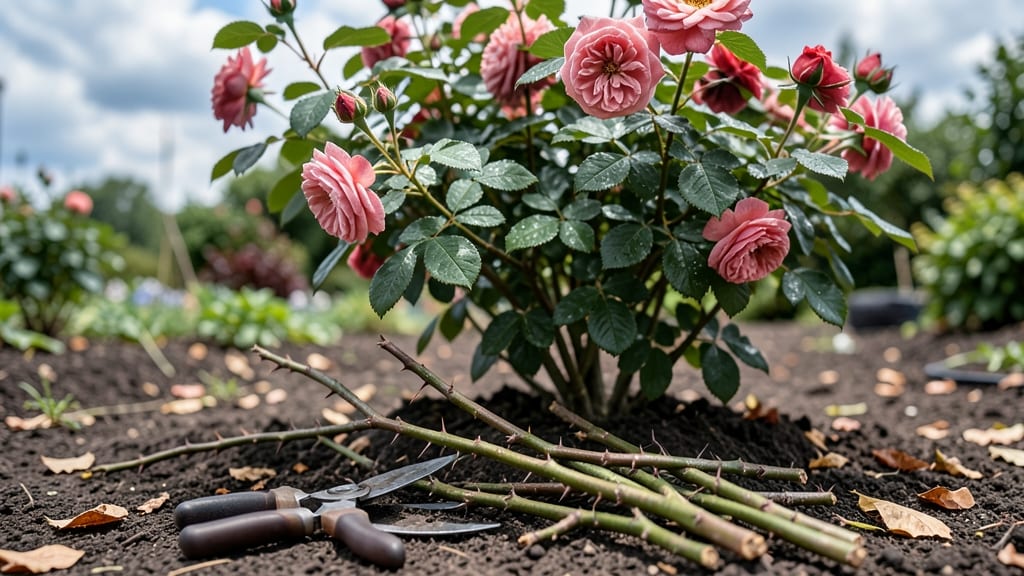
Pruning Double Knockout rose bushes transforms them from occasional bloomers into year-round flowering powerhouses—and it’s simpler than you think. ✂️ I’ve pruned these roses for five seasons, and the difference between a neglected bush and one that blooms nonstop comes down to three strategic cuts made at the right times.
The key? Timing isn’t about seasons but about growth stages, and I’ll show you exactly when to wield those shears for maximum impact.
You’ll need just three tools: sharp bypass pruners, a small hand saw for thicker stems, and rubbing alcohol to sterilize cuts (trust me, this prevents disease).
The process takes 20-30 minutes per bush, and the payoff is immediate—new shoots emerge within days, with blooms appearing in as little as 4-6 weeks.
What makes Double Knockouts special is their ability to bloom on both old and new wood, so you’re not limited to one pruning window like with other roses.
By the end, you’ll have a bush that’s dense, disease-resistant, and covered in blooms from spring through frost. The secret isn’t aggressive pruning—it’s precision.
You’ll learn how to shape the bush to maximize airflow (which cuts back on black spot), where to make cuts for the strongest regrowth, and how to handle those stubborn stems that refuse to cooperate. Even my first attempt last year produced a bush that out-bloomed its neighbors by summer.
This method works for any Double Knockout variety, whether you’re dealing with a mature 5-foot bush or a young plant still finding its shape. The same principles apply whether you’re in Zone 5 or Zone 9—just adjust your timing slightly for early or late frosts.
Let’s get those shears ready and turn your roses into the showstopper of your garden.
📚 In This Guide
- What you need
- Instructions
- Tips and common mistakes
- Wrapping up and next steps
What you need
- ● Bypass pruners – Sharp, clean, and sterilized (1 pair, 6–8" blades). ⚠️ Avoid anvil pruners—they crush stems!
- ● Loppers – For thicker stems (1 pair, 8–12" reach).
- ● Pruning saw – For stubborn, woody branches (1, 10–12" blade).
- ● Garden gloves – Heavy-duty, thorn-resistant (1 pair).
- ● Disinfectant (70% isopropyl alcohol or bleach solution) – To sterilize tools between cuts.
- ● Rubbing alcohol or hydrogen peroxide – For quick tool cleaning mid-prune.
- ● Hand pruners – For precision on small stems (1 pair).
- ● Rake or broom – To clear debris after pruning.
- ● Rose fertilizer – Balanced (10-10-10 or similar) to feed post-prune.
- ● Mulch – 2–3 inches of organic mulch (e.g., shredded bark) to retain moisture.
- ○ Pruning sealant – Optional: Only use on cuts larger than ½" to prevent disease.
- ● Check the weather: Prune on a dry, cloudy day (avoid extreme heat or frost).
- ● Review your rose bush’s growth pattern—Double Knockouts bloom on new wood, so aggressive pruning is key!
- ● Have a clear plan: Sketch or mentally map out your cuts (see our 3-step guide!).
Step-by-step guide to pruning your Double Knockout rose bush
Here's the method I've used for years to keep my Double Knockout roses blooming nonstop—no guesswork, just three clean cuts.
✂️ Step 1: Late Winter Cleanup Cut (February)
Start in late winter, just before new growth begins. You'll see bare stems with no leaves or buds—this is your signal. Grab your sharp pruners and cut back 1/3 of the bush's height, removing any dead, diseased, or crossing branches first. These are the ones that look brown, mushy, or rub against others.
I always make cuts just above an outward-facing bud about 1/4 inch above it. This encourages new growth to spread outward, not inward. Avoid cutting into old wood—it won't regrow. If you're unsure, check for green pith inside the stem. If it's brown, cut it out completely.
🌿 Step 2: Mid-Season Maintenance Cut (June)
About 6-8 weeks after the first flush of blooms, give your bush another light trim. Look for branches that have finished flowering—they'll have no buds left. Cut these back to just above the next set of strong buds. This redirects energy to new growth that will produce more flowers later in the season.
Here's the thing—Double Knockouts bloom on both old and new wood, so don't overdo it. Just remove one-third of the oldest canes (the thickest ones) and any branches growing toward the center. You'll see new shoots emerging from the base within a week—that's your sign you're doing it right.
✂️ Step 3: Post-Bloom Light Pruning (September)
After the final flush of fall blooms, do a light cleanup. Remove any branches that have finished blooming completely and any that look weak or spindly. Cut back just above a healthy bud, making the cut at a 45-degree angle to help water run off.
This final cut prevents winter dieback and keeps the bush tidy. I like to leave the stems a bit longer than the first cut—about 18-24 inches tall. The goal is to maintain shape while encouraging next year's growth. Avoid heavy pruning now, or you'll get fewer spring blooms.
🌱 Step 4: Optional Light Trimming (Spring)
In early spring, just as buds begin to swell, do a final light trim. Remove any dead wood that might have survived winter and any branches that look crossed or crowded. This keeps air circulating and prevents disease. Double Knockouts are forgiving, so don't stress about perfection—just keep the center open.
Here's what I do: I walk around the bush, looking for any branches that look like they're competing with others. If two canes are growing parallel to each other, I remove the weaker one. The bush will thank you with stronger growth and more blooms all season long.
Tips & tricks for pruning Double Knockout roses
Here's what I've learned the hard way about keeping these tough roses blooming all season—these tricks make all the difference.
Tool Prep: Sharpen your pruners before you start—dull blades crush stems instead of cutting cleanly, which invites disease. I like to wipe them down with rubbing alcohol between cuts to prevent spreading any potential pathogens from dead wood. This simple step keeps your bush healthier for years.
Bud Identification: In Step 1, look for buds that face outward on the stem—they're usually slightly raised and have a tiny bump. Cutting just above these at a 45-degree angle creates a larger surface for water runoff, preventing rot. I always check 3-4 buds down the stem to find the perfect spot for my cut.
Seasonal Timing: The 6-8 week window after first blooms in Step 2 is crucial—wait too long and you'll miss the opportunity to redirect energy to new growth. I mark my calendar with the first bloom date and set a reminder for 8 weeks later. This mid-season trim is what gives Double Knockouts their legendary continuous blooming.
Winter Prep: After your September pruning, apply a 2-3 inch layer of mulch around the base to protect roots from freeze-thaw cycles. I always use shredded bark mulch because it breaks down slowly and adds organic matter to the soil as it decomposes. This simple step makes spring growth stronger.
Pro Tips for Pruning Double Knockout Rose Bush
- Here's what I've learned the hard way about keeping these tough roses blooming all season—these tricks make all the difference.
- Tool Prep: Sharpen your pruners before you start—dull blades crush stems instead of cutting cleanly, which invites disease.
- Bud Identification: In Step 1, look for buds that face outward on the stem—they're usually slightly raised and have a tiny bump.
Frequently asked questions
Got questions about keeping your Double Knockout rose bush thriving with strategic pruning? Here are answers to the most common ones—because every gardener deserves a blooming success story!
When is the best time to prune Double Knockout roses?
Prune your Double Knockout rose bush three times a year: late winter (just before new growth starts), early summer (after the first flush of blooms), and late summer (to encourage fall blooms). Avoid pruning in extreme heat or cold—aim for mild, dry days for cleaner cuts and faster healing.
Can I prune Double Knockout roses in winter?
Yes, but only in late winter (zones 6-10: February–March; zones 3-5: April). Prune before buds swell to avoid damaging tender new growth. If winter is harsh, wait until the last frost passes. Pro tip: Remove dead, diseased, or crossing canes first—this keeps air flowing and reduces pests!
What if I prune too much? Will my rose bush die?
Double Knockouts are hardy and forgiving, but never remove more than 1/3 of the bush at once. Over-pruning stresses the plant, reducing blooms. Focus on shaping, deadheading, and thinning crowded canes. If you’ve already overdone it, don’t panic—give it time, water deeply, and fertilize lightly to recover.
Do I need to sterilize my pruners between cuts?
Absolutely!
Sterilizing pruners with rubbing alcohol or a 10% bleach solution between cuts prevents spreading disease (like black spot). Double Knockouts are disease-resistant, but clean tools = healthier roses. Wipe blades after each snip—especially if you’re pruning multiple bushes or removing infected canes.
What should I do with the pruned cuttings?
Use pruned cuttings for propagation! Dip 4–6 inch cuttings in rooting hormone, plant in moist potting mix, and cover with a plastic bag to retain humidity. Place in bright, indirect light (no direct sun). In 4–6 weeks, you’ll have new rose babies—free plants for friends or your garden!
Wrapping up and next steps
Pruning your Double Knockout rose bush doesn’t have to be intimidating—just a few strategic cuts year-round can transform it into a lush, blooming beauty! 🌸 By mastering the spring cleanup, summer shaping, and fall maintenance, you’ll encourage healthier growth, more vibrant flowers, and a stronger plant for seasons to come.
Now that you’re armed with the right tools and techniques, there’s no better time to roll up your sleeves and give your rose bush the care it deserves.
Ready to see the magic? Grab your pruners and start today! Your Double Knockout rose will thank you with nonstop blooms and a showstopping garden centerpiece. 🌿