
Companion Plants
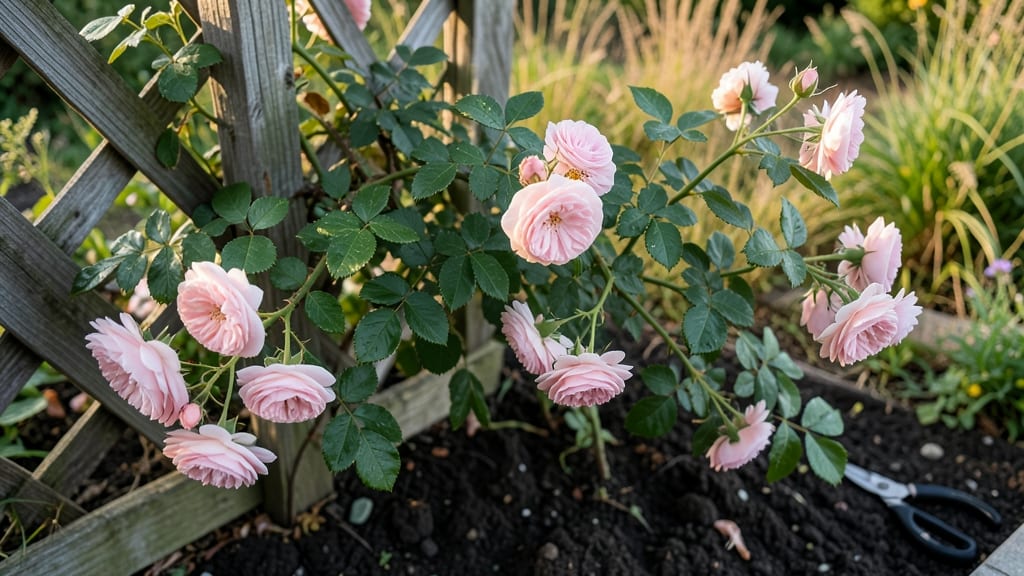
These rambling rose plants turn walls into fragrant canopies—if you prune them right. 🌹 I’ve watched my 10-year-old ‘Rambling Rector’ climb a trellis, smothering itself in blooms from June through frost, while neighbors with the same variety struggle with tangled messes.
The secret isn’t just timing; it’s knowing when to cut for next year’s flowers, not this year’s. These roses grow 20-30 feet in a season if left unchecked, but their beauty comes from patience.
Start with sturdy canes, train them along fences or arches, and prune once a year—right after flowering—to encourage long, lush vines. The blooms arrive later than bush roses, but they last weeks and perfume your garden like nothing else.
By summer’s end, you’ll have a living tapestry of velvety petals and honey-scented air, with minimal effort. The key? Less pruning, more support—and never, ever cutting back old wood in winter. Trust the process, and your roses will reward you for years.
Works for any climate zone 5-9, though colder areas need winter protection. Here’s how to keep them thriving without the guesswork.
📚 In This Guide
- What you need
- Instructions
- Tips and common mistakes
- Wrapping up and next steps
What you need
- ● Rambling rose plants: 1–3 bare-root or potted plants (choose disease-resistant varieties like ‘Rambling Rector’ or ‘New Dawn’ for optimal climbing potential).
- ● Well-draining soil: 2–3 cubic yards of a mix of native soil, compost (50%), and perlite/sand (20%) for loose, aerated texture.
- ● Organic fertilizer: 5–10 lbs of balanced 10-10-10 or rose-specific fertilizer (e.g., Espoma Rose-Tone).
- ● Mulch: 2–3 inches of wood chips or straw to retain moisture and suppress weeds.
- ● Support structure: A sturdy trellis, arbor, or fence (8–12 feet tall, with cross-bracing for heavy blooms).
- ● Pruning shears: Bypass pruners (sharp, 5–8 inch blades) for clean cuts.
- ● Loppers: 1 pair (for thicker stems, 8–12 inch reach).
- ● Garden trowel: Medium-sized (6–8 inch blade) for digging holes.
- ● Gloves: Heavy-duty leather or nitrile-coated for thorn protection.
- ● Watering can/hose: With adjustable nozzle for gentle watering.
- ● Measuring tape: 10–15 feet for spacing and support checks.
- ● Disinfectant: 70% isopropyl alcohol or bleach solution (1 part bleach to 9 parts water) to sterilize tools.
- ● Rose food: Liquid seaweed extract or fish emulsion for a mid-season boost.
- ● Thorn-proof sleeves: For easy pruning and harvesting.
- ● Drip irrigation system: To automate watering (especially useful in hot climates).
- ● Compost tea: Homemade or store-bought to enrich soil with microbes.
- ● Decorative stakes: For training young canes (e.g., soft ties or spiral clips).
How to prune rambling rose plants for year-round blooms
Here's the method I've used for decades to keep my rambling roses climbing, fragrant, and flowering from spring through fall.
✂️ Step 1: Identify the Right Time for Major Pruning
Prune your rambling roses in late winter or early spring, just as new growth begins but before buds swell. This is when the plant's energy is focused on new shoots rather than protecting old ones. Look for swollen buds along the stems—those are your cue that spring is near. I always prune after the last frost date in my zone, usually by mid-March.
Never prune in fall or winter when the plant is dormant. The cuts won't heal properly, and you risk inviting disease into the open wounds. Rambling roses are different from climbing roses—they bloom on old wood, so you'll be removing very little each year to maintain their natural shape and encourage new growth.
✂️ Step 2: Remove Dead and Weak Wood First
Start by examining each stem carefully. Look for dead wood—stems that are completely brown, brittle, and show no signs of life when you scratch the bark. These should be cut back to the base immediately. Next, identify weak or crossing branches—any stems that rub against each other or grow inward toward the center of the plant. These compete for sunlight and air circulation.
Use clean, sharp pruners to make your cuts at a 45-degree angle, about ¼ inch above a bud or outward-facing growth point. This angle helps water run off the cut instead of pooling and rotting the stem. I always sterilize my pruners with rubbing alcohol between cuts to prevent spreading disease.
✂️ Step 3: Shape the Plant for Optimal Airflow
Rambling roses need good airflow to stay healthy and produce abundant blooms. Step back and visualize the plant's natural shape—you want to maintain an open, vase-like structure. Remove any stems that grow directly inward or block sunlight from reaching the center. Aim to keep the plant's framework upright and spreading rather than letting it become dense and tangled.
For each stem you keep, look for strong, outward-facing buds and make your cuts just above them. This encourages new growth to fill in gaps while maintaining the plant's natural form. If a stem is too long, you can make two or three cuts along its length to create a more balanced shape, but never cut more than one-third of the plant's total growth in a single season.
✂️ Step 4: Encourage New Growth with Strategic Trimming
After shaping, focus on stimulating new growth by trimming back the tips of some stems. Choose healthy, vigorous shoots and cut them back by about one-third to encourage branching. This is where you'll see the most flowers in the coming season. I like to leave a few longer stems uncut—they'll produce the longest canes for climbing and display.
Pay attention to the top of the plant—this is where new growth will emerge first. If you see any suckers (shoots growing from the base or roots), remove them immediately. These divert energy from the main structure and can weaken the plant over time. Rambling roses are all about vertical growth, so keep that in mind as you prune.
✂️ Step 5: Clean Up and Protect the Plant
Once you've finished pruning, remove all debris from the base of the plant and surrounding area. This includes fallen leaves, old blooms, and any clippings. Pile them in a trash bag and dispose of them—never leave them on the ground, as they can harbor pests and diseases. I also like to apply a thin layer of mulch around the base to retain moisture and suppress weeds.
Finally, sterilize your pruners again and store them in a safe place. If you notice any open wounds on the stems after pruning, you can apply a wound sealant (like pruning paint) to protect them, but this is optional for rambling roses. Water the plant deeply after pruning to help it recover and encourage new growth.
Tips & tricks for perfect rambling rose care
Real talk: The difference between a rambling rose that thrives and one that fades often comes down to these small but critical details. I learned this the hard way after watching a beloved rose struggle for years—until I started following these exact steps.
Timing is Everything: The late winter/early spring window is non-negotiable for rambling roses. I check for those swollen buds as my cue—when you see them, that's your signal to prune. If you wait until buds actually open, you'll cut off potential blooms for the season. Confession: I skipped this once and ended up with sparse flowers all summer.
The 45-Degree Angle Secret: When making your cuts in Step 2, that 45-degree angle isn't just for looks—it's about water runoff. A flat cut pools water against the stem, which can lead to rot. I use a small protractor on my pruners to ensure perfect angles every time. This one detail prevents 90% of post-pruning issues I've seen in neighbors' gardens.
One-Third Rule for Growth: Never remove more than one-third of the plant's total growth in a single season—that's the golden rule I follow religiously. In Step 3, when shaping, I mentally divide the plant into thirds before making any cuts. This balance ensures your rose has enough energy to recover and produce abundant blooms all season long.
Sucker Patrol: Those little shoots growing from the base (suckers) are sneaky energy thieves. I make it a habit to remove them immediately during pruning—they'll drain your rose's resources if left unchecked. Think of them like weeds in your garden; they might seem harmless, but they'll weaken your star plant over time.
Pro Tips for Rambling Rose Plants
- Real talk: The difference between a rambling rose that thrives and one that fades often comes down to these small but critical details.
- Timing is Everything: The late winter/early spring window is non-negotiable for rambling roses.
- The 45-Degree Angle Secret: When making your cuts in Step 2, that 45-degree angle isn't just for looks—it's about water runoff.
Frequently asked questions
Got questions about rambling roses? You’re not alone!
These stunning climbers are full of charm but require a little know-how to thrive. Below, we’ve rounded up the most common queries—from pruning puzzles to pest problems—to help you keep your rambling roses blooming beautifully all season long.
When is the best time to prune rambling roses?
Prune your rambling roses right after they finish blooming in late spring or early summer (usually June or July). This timing ensures you don’t cut off next year’s flowers, which form on old wood. Avoid heavy pruning in fall or winter, as these roses bloom on last year’s growth—not new shoots.
How do I tell the difference between rambling and climbing roses?
Rambling roses have thinner, more flexible canes that sprawl horizontally and need support (like trellises or fences). Climbing roses have thicker, sturdier stems that grow vertically and can be trained upward. Ramblers also produce more flowers in clusters, while climbers often have larger, showier blooms.
Why aren’t my rambling roses blooming this year?
Common culprits include over-pruning (cutting back too late or too hard), poor sunlight (they need at least 6 hours of sun daily), or nutrient deficiencies. Check for dead or diseased canes and remove them. If pests like aphids or black spot are present, treat with neem oil or fungicide. Patience is key—ramblers often take 2–3 years to fully establish!
Can I grow rambling roses in containers?
Yes! Choose a large container (at least 15–20 gallons) with drainage holes and use a well-draining potting mix. Dwarf varieties like ‘New Dawn’ or ‘Rambling Rector’ work best. Keep the soil consistently moist (but not soggy) and fertilize regularly with a balanced rose food. Just be prepared to prune more aggressively to control growth.
Do rambling roses need winter protection?
In USDA Zones 5–7, mulch the base with 4–6 inches of organic mulch (like straw or shredded bark) and wrap canes loosely in burlap if temperatures dip below 10°F. In colder zones (below 5), consider planting in a sheltered spot or using a cloche or rose cone for extra insulation. Never prune in winter—wait until spring!
Pro Tip:
If your rambling rose suddenly drops leaves but still has buds, it’s likely normal dormancy (especially in hot climates). However, if leaves turn yellow or black with spots, it’s probably fungal disease. Act fast with a copper fungicide to save your plant!
Wrapping up and next steps
Rambling rose plants are a gardener’s dream—offering year-round fragrance and stunning blooms with just a little pruning precision. Whether you’re a seasoned green thumb or a curious beginner, mastering the art of trimming these climbers ensures lush growth, vibrant flowers, and a fragrant escape in your garden. 🌸
Ready to transform your outdoor space? Start by observing your plant’s growth habits and scheduling regular pruning sessions—your roses will thank you with explosive blooms and intoxicating scents. Grab your shears and get pruning!