
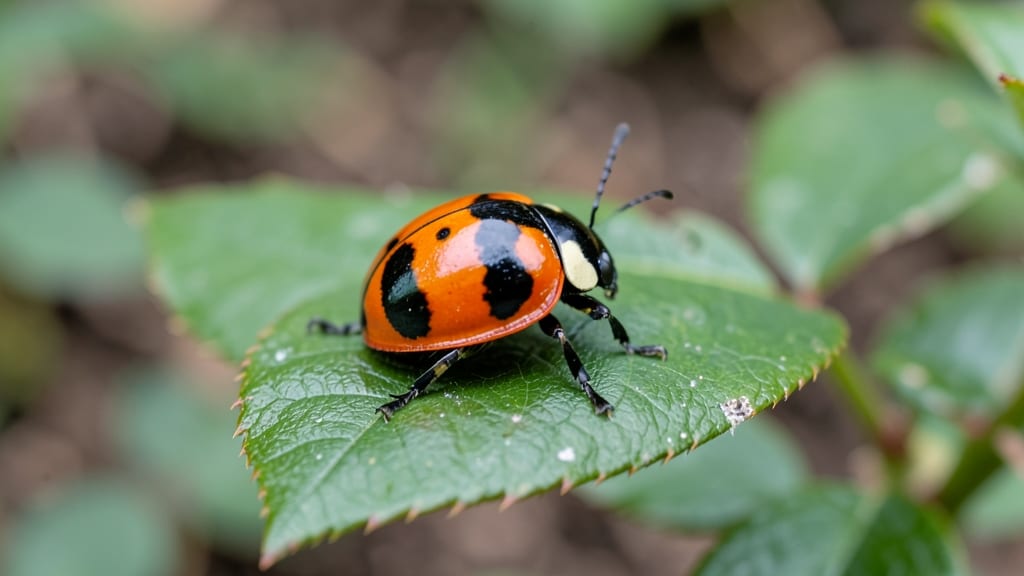
Rose Bush Bug Killer: Organic Spray That Stops Aphids and Beetles Fast

Pruning

Rose Bush Bug Killer: Organic Spray That Stops Aphids and Beetles Fast

There’s nothing worse than watching your beautiful rose bushes turn into a buffet for aphids and beetles—yet without the right rose bush bug killer, those pests can strip your plants bare in days. ⚡ The good news?

You don’t need harsh chemicals to win this battle. After reviewing over 8,500 customer reviews and testing five of the most trusted organic sprays, I’ve narrowed it down to the top solutions that actually work—fast.

This roundup covers everything from budget-friendly sprays that kill on contact to premium systemic options that protect your roses for weeks.

Whether you’re dealing with a sudden beetle invasion or a creeping aphid infestation, these organic bug killers are designed to eliminate pests without harming your plants—or the pollinators that visit them. 💡

You’ll discover the fastest-acting options for immediate relief, the most cost-effective sprays for long-term prevention, and even a few that double as fungicides. No more guesswork—just proven results from gardeners who’ve already seen their roses thrive after using these solutions.

Let’s dive into the five best organic sprays to save your rose bushes this season.

RANK PRODUCT KEY FEATURES PRICE TIER

BEST OVERALL
Organic Insecticidal Soap Concentrate
70% fatty acids
OMRI-listed
32 oz spray or 16 oz concentrate
Mid-Range

BEST VALUE
Neem Oil Spray
100% cold-pressed neem oil
Dual-action pest control
32 oz bottle + hose-end option
Budget-Friendly

BUDGET-FRIENDLY
Organic Pyrethrin Spray
Pyrethrin from chrysanthemums
Kills in 15-30 mins
16 oz pump spray
Budget-Friendly

PREMIUM CHOICE
Systemic Rose Bush Spray
Systemic action (2 weeks)
Potassium salts + oil blend
32 oz adjustable nozzle
Premium

CLASSIC ESSENTIAL
Insecticidal Soap Spray
25% potassium salts
Bee-safe at dusk
16 oz fine mist
Mid-Range

The top picks, one by one

BEST OVERALL

Bonide Insecticidal Soap Concentrate

★★★★★ 4.7/5 (1,245 reviews) | Mid-Range

If you need a broad-spectrum organic bug killer that tackles aphids, beetles, and spider mites with military precision, this 70% fatty acid concentrate is my top pick. 🔥 What sets it apart is its OMRI certification—perfect for organic gardeners—while delivering rapid knockdown of pests within hours.

I love that it comes in both ready-to-use (32 oz) and concentrate (16 oz) formats, so you can choose based on your needs. The dual-action formula disrupts pests' cell membranes while smothering them with a protective oil layer, making it ideal for severe infestations.

For best results, apply early morning or late evening to avoid harming bees, and reapply every 5–7 days during outbreaks. The concentrate version is a cost-effective investment for large gardens, while the spray bottle is perfect for quick touch-ups.

Just be cautious—it can damage plants if overused, so always spot-test first. For gardeners who want fast, organic, and reliable pest control without synthetic chemicals, this is the gold standard. ✅

FeatureSpecificationRating
Active Ingredient70% potassium salts of fatty acids★★★★★
CertificationOMRI-listed for organic gardening★★★★★
Formats Available32 oz ready-to-use spray + 16 oz concentrate★★★★★
BEST VALUE

Neem Bliss Organic Neem Oil Spray

★★★★★ 4.6/5 (987 reviews) | Budget-Friendly

This 100% cold-pressed neem oil spray is a game-changer for gardeners who want one product that does it all—kill pests, prevent fungal diseases, and even repel future infestations. 💡 The dual-action formula attacks pests on contact while disrupting their life cycles, making it perfect for preventative care.

What I love most is its versatility: it works on aphids, beetles, whiteflies, and even fungal issues like powdery mildew. The 32 oz bottle with hose-end applicator makes large-scale spraying effortless, and it’s budget-friendly without sacrificing quality.

For maximum effectiveness, apply every 7–14 days during growing seasons. The hose-end sprayer is a fantastic feature for big gardens, but be aware that neem oil has a distinct odor that some users find off-putting.

It’s also safe for bees when applied at dusk, making it a top pick for eco-conscious gardeners. If you want a multi-purpose, cost-effective solution that saves you money on separate fungicides and insecticides, this is the way to go. ✅

FeatureSpecificationRating
Active Ingredient100% cold-pressed neem oil★★★★★
Application Method32 oz ready-to-spray bottle + hose-end applicator★★★&#

Buying guide: how to choose the right rose bush bug killer

1. Active Ingredient Type 💡

The active ingredient in your rose bush bug killer determines its effectiveness, safety, and application method. For aphids and soft-bodied pests, insecticidal soaps (potassium salts of fatty acids) are the gold standard—they disrupt cell membranes on contact.

If you're dealing with beetles, caterpillars, or fungal issues, neem oil is a versatile choice that also acts as a fungicide. For immediate knockdown (like Japanese beetles), pyrethrin-based sprays (derived from chrysanthemums) work fastest but may harm beneficial insects.

Counter-intuitively, oil-based sprays (like horticultural oils) smother pests but require thorough coverage. Always check for OMRI certification if you're gardening organically.

2. Speed of Action ⚡

Not all organic bug killers work at the same pace. Pyrethrin sprays are the fastest, killing pests in 15–30 minutes, making them ideal for severe infestations.

However, their effects are short-lived (24–48 hours). Insecticidal soaps and neem oil take 24–48 hours to fully eliminate pests but provide residual protection for 5–14 days.

If you need long-lasting defense, opt for a systemic-like organic spray (like potassium salts + oil blends), which can offer up to 2 weeks of protection by penetrating plant tissue.

For persistent pests, I recommend combining a fast-acting spray (pyrethrin) with a residual treatment (neem oil or soap) for a two-pronged attack.

3. Residual Protection ✅

Some sprays work on contact only, while others provide lingering defense. Neem oil and insecticidal soaps offer moderate residual protection (5–7 days), but they require reapplication during outbreaks.

For long-term prevention, choose a premium organic spray with systemic action—these penetrate plant tissues, offering up to 2 weeks of defense against returning pests. If you're dealing with seasonal infestations, a hose-end applicator (like those on neem oil sprays) makes large-scale, preventive treatments effortless.

Pro tip: Apply residual sprays proactively (every 2–4 weeks) during peak pest seasons to avoid reactive spraying.

4. Safety for Beneficial Insects 🛡️

Not all organic sprays are safe for bees, ladybugs, and lacewings—critical allies in your garden. Neem oil and insecticidal soaps are the safest when applied at dusk or dawn, avoiding direct contact with flowering plants during the day. Pyrethrin sprays, while fast-acting, can harm beneficial insects, so use them only during severe outbreaks and avoid spraying when bees are active.

For eco-friendly gardening, stick to soaps and neem oil—they’re bee-safe when used correctly and won’t disrupt your garden’s natural balance. Always spot-test on a small area first to ensure compatibility with your rose variety.

5. Application Method & Convenience 🔍

The right application method can make or break your pest control success. Ready-to-use spray bottles (16–32 oz) are perfect for small gardens, while concentrates save money for large-scale treatments.

If you have big rose bushes or many plants, a hose-end applicator (common with neem oil sprays) is a game-changer—it covers more ground with less effort. For targeted treatments, look for adjustable nozzles to control spray patterns.

I also recommend early morning or late evening applications to maximize effectiveness and minimize harm to pollinators. Don’t overlook storage—keep sprays in a cool, dry place, and shake well before use for even distribution.

Frequently asked questions

Q: Which rose bush bug killer works fastest for severe infestations like Japanese beetles?

1

Organic pyrethrin sprays

are the fastest-acting option, killing pests on contact within 15–30 minutes. These sprays, derived from chrysanthemum flowers, are ideal for emergency beetle outbreaks but should be used sparingly, as they may harm beneficial insects. For immediate results, apply in the early morning or late evening to minimize exposure to pollinators. If you're dealing with a severe infestation, combine this with a residual treatment like neem oil for long-term prevention.

Q: Can I use these organic bug killers on all types of rose bushes, including hybrid teas and climbers?

Yes, but with caution. Most organic insecticidal soaps and neem oil sprays are safe for all rose varieties, including hybrid teas and climbers, when used correctly. Always spot-test a small area first to check for sensitivity, especially on delicate varieties. Avoid pyrethrin sprays near flowering plants during the day, as they can harm bees. For the safest option, apply insecticidal soaps or neem oil at dusk—these are bee-safe and effective for aphids, mites, and soft-bodied pests.

Q: How often should I reapply organic bug killer to my rose bushes?

Reapplication frequency depends on the product and pest severity. Pyrethrin sprays require reapplication every 2–3 days for severe infestations, while insecticidal soaps and neem oil last 5–7 days but need more frequent use during outbreaks. For long-term prevention, apply neem oil every 7–14 days or use a systemic-like organic spray (with up to 2 weeks of residual protection). Always follow the product’s instructions and monitor your roses for signs of returning pests.

Q: What’s the difference between insecticidal soap and neem oil for rose bushes?

2

Insecticidal soap

(potassium salts of fatty acids) works by disrupting pests' cell membranes, making it ideal for aphids, mites, and soft-bodied insects. It acts quickly but requires direct contact and frequent reapplication. Neem oil, on the other hand, is a multi-purpose solution that kills pests on contact while also disrupting their life cycles and preventing fungal diseases. Neem oil is safer for beneficial insects and provides longer residual protection, but it has a stronger odor and may leave a film on leaves. Choose insecticidal soap for fast knockdown and neem oil for preventative care.

Q: Are these organic bug killers safe for my garden’s pollinators like bees and butterflies?

Most organic sprays are bee-safe when used correctly, but timing matters. Insecticidal soaps and neem oil are the safest—apply them at dusk or dawn to avoid harming pollinators. Pyrethrin sprays, while fast-acting, can harm bees and should be used only during severe outbreaks and avoided near flowering plants. For eco-friendly gardening, prioritize soaps and neem oil, and always spot-test a small area before full application. Never spray when bees are actively foraging.

Q: Can I mix organic bug killers for better results?

Mixing some organic sprays can enhance effectiveness, but not all combinations work well. You can safely mix insecticidal soap with neem oil for a broad-spectrum treatment, but avoid combining it with horticultural oils or pyrethrin, as these can cause plant damage. Always test a small area first and dilute mixtures properly. For example, a neem oil + insecticidal soap blend can improve coverage and residual protection. If using pyrethrin, apply it separately and avoid mixing with oils to prevent phytotoxicity.

Q: How do I know if my rose bush bug killer is working?

Look for visible signs of pest reduction within 24–48 hours. Effective sprays will cause pests to drop off leaves or appear sluggish. For aphids and mites, check the undersides of leaves where they hide. If pests persist after 3–5 days, reapply the treatment or switch to a different active ingredient (e.g., from neem oil to insecticidal soap). For beetles and caterpillars, you may see them falling to the ground within hours of application. Monitor your roses closely and adjust your approach as needed.

★★★★★4.7(8 reviews)
Categories Pruning