
Pests and Diseases
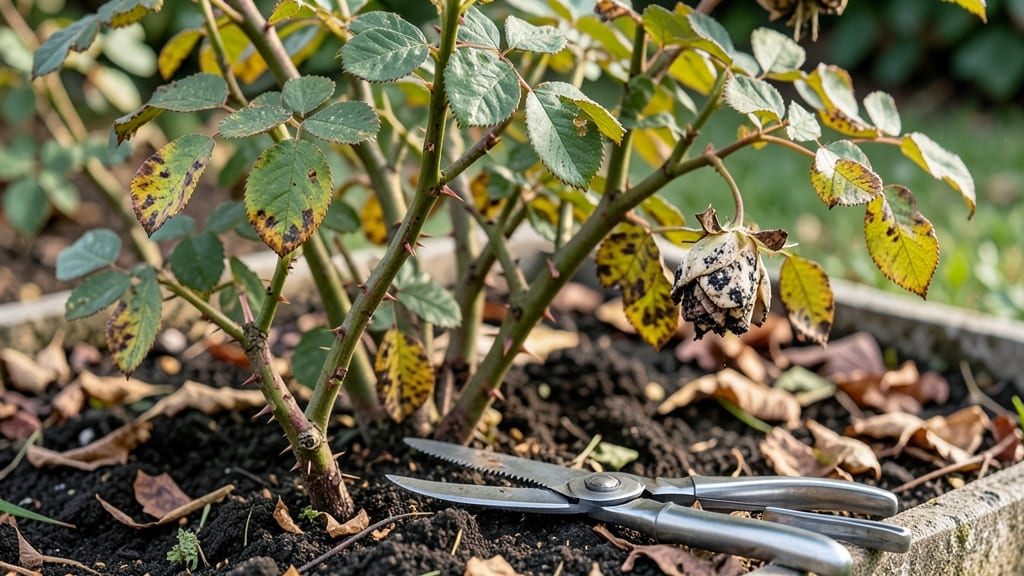
Your roses are signaling distress with rose leaves turning yellow and brown, but don’t panic—this common issue has clear solutions, and I’ve cracked the code in my own garden. enemy. The good news? Most causes have simple solutions once you know what to look for.
Start by checking the pattern of discoloration: scattered brown spots suggest fungal issues like black spot, while yellowing along veins often points to overwatering or nutrient deficiencies.
Pests like spider mites leave tiny webs and stippled leaves, while uneven browning could mean inconsistent watering. Grab a magnifying glass—you’ll spot clues faster than you think.
Once you identify the problem, the fix is straightforward: prune infected leaves, adjust your watering schedule, or apply a neem oil spray for pests. For black spot, remove all infected foliage and space plants for better airflow. Within 2-3 weeks, you’ll see fresh green growth if you act now.
Prevention is easier than cleanup: water at the base in the morning, mulch to retain moisture, and inspect leaves weekly. If the problem persists after trying these fixes, it might be time to call in a local extension service—they’ll help you pinpoint what’s really going on.
Root Causes Behind Discolored Leaves
Understanding why your rose leaves turn yellow and brown starts with identifying the underlying stressors. These changes are rarely random—they’re your roses’ way of signaling trouble. Let’s break down the three most common culprits and the science behind them.
Why it happens: Roses thrive in well-drained soil, but when they sit in soggy conditions, their roots suffocate. This triggers a cascade of problems:
- Oxygen deprivation: Roots need oxygen to absorb nutrients. Waterlogged soil forces roots to "drown," starving the plant of essential minerals like nitrogen and iron.
- Fungal infections: Excess moisture creates the perfect breeding ground for Phytophthora and Pythium, pathogens that clog root cells and block water/nutrient flow. The leaves react by turning yellow (chlorosis) before browning as cells die.
- Toxic buildup: Overwatering flushes out nutrients but also traps salts and chemicals in the soil, further stressing the plant.
Actionable clue: Check the soil 2–3 inches deep—if it’s damp after 24 hours, drainage is the issue.
Why it happens: Yellowing and browning often stem from macro or micronutrient deficiencies, particularly:
- Nitrogen (N) deficiency: Leaves lose their vibrant green hue first (yellowing between veins), then brown as proteins break down. This is common in fast-growing roses that deplete soil nitrogen quickly.
- Iron (Fe) or magnesium (Mg) chlorosis: Yellowing between veins (especially on younger leaves) signals poor uptake, often due to:
- Alkaline soil (pH > 7.0): Iron becomes "locked" and unavailable. Brown patches form as cell membranes degrade.
- Compacted or cold soil: Roots can’t access nutrients efficiently, leading to patchy discoloration.
- Potassium (K) deficiency: Brown edges or "scorched" tips appear when roses can’t regulate water or fight stress. This is common in sandy soils or after heavy pruning.
Actionable clue: Soil tests reveal deficiencies, but a quick fix is applying chelated iron (for chlorosis) or a balanced rose fertilizer (10-10-10) in early spring.
Why it happens: Pests and pathogens physically damage leaves or disrupt the plant’s vascular system, causing discoloration:
- Aphids, spider mites, or scale insects: These sap-suckers inject toxins that cause yellowing and brown speckling. Heavy infestations lead to curled, crispy leaves as the plant diverts energy to repair damage.
- **Black spot (Diplocarpon rosae): This fungal disease creates dark brown/black spots with yellow halos. It clogs stomata (pores), preventing gas exchange and turning leaves brown prematurely.
- Powdery mildew (Podosphaera pannosa): A white, dusty fungus that blocks sunlight, causing yellowing between veins. Severe cases lead to brown, papery leaves as cells die.
Actionable clue: Inspect undersides of leaves for webbing (mites), sticky residue (aphids), or fungal spores under a magnifying glass.
Pro Tip:** 🔍 Combine clues: Yellowing + brown edges = nutrient issue; yellowing + black spots = fungal disease; yellowing + webbing = pests. Act on the most obvious symptom first!
Quick fixes for fading rose foliage
Revitalizing your roses starts with pinpointing the root cause—but once you’ve identified the issue, these targeted solutions will help restore your plants to their vibrant best. Whether it’s a nutrient deficiency, fungal infection, or pest invasion, acting fast is key.
Below, we’ve mapped out practical, step-by-step fixes for the most common culprits behind yellowing and browning rose leaves, plus preventive tips to keep your garden thriving.
Yellowing leaves often signal a hunger for essential nutrients. Here’s how to diagnose and correct the issue:
🔥 Check for Iron or Nitrogen Deficiency (Yellow Leaves)
- Symptoms: Pale yellow leaves (especially younger ones) or overall leaf yellowing with green veins.
- Solution:
- Apply an iron supplement: Use a chelated iron product (like iron sulfate or iron EDTA) and spray it on leaves or water the soil.
Follow package instructions for dosage. - Boost nitrogen: Add a balanced fertilizer (10-10-10 or 20-20-20) or an organic option like alfalfa meal or blood meal. Apply in early spring or after pruning. - Improve soil drainage: Compacted or waterlogged soil can starve roots.
Loosen soil with a garden fork and mix in compost or perlite to aerate.
🍳 Magnesium or Potassium Shortage (Brown Edges or Spots)
- Symptoms: Brown or yellow edges on older leaves, weak stems, or slow growth.
- Solution:
- Add Epsom salt: For magnesium deficiency, dissolve 1 tablespoon of Epsom salt in a gallon of water and spray on leaves weekly for 2-3 weeks.
- Use a potassium-rich fertilizer: Try wood ash (sprinkle lightly around the base) or a potassium sulfate product.
Banana peels (composted) also add potassium over time. - Test your soil: Use a DIY soil test kit to confirm deficiencies before over-fertilizing.
💡 Pro Tip:
> 🌡️ Timing matters! Fertilize roses in early spring (when new growth starts) and mid-summer (for a second boost). Avoid fertilizing in winter—roses rest then.
Fungal diseases like black spot or powdery mildew cause brown spots, yellowing, and leaf drop. Act fast to save your roses!
👨🍳 Prune Infected Leaves (Remove the Problem)
- Steps: 1. Wear gloves and use sterilized pruners (wipe with rubbing alcohol between cuts). 2. Cut off all yellow/brown leaves and any nearby healthy-looking leaves (fungus spreads easily).
- Dispose of clippings in the trash (not compost)—don’t let spores reinfect your garden.
- Prune for airflow: Thin out crowded branches to improve circulation and reduce humidity near leaves.
🥘 Apply Fungicide (Natural or Chemical)
- Natural options:
- Baking soda spray: Mix 1 teaspoon baking soda + 1 teaspoon horticultural oil + 1 teaspoon soap in a gallon of water.
Spray every 7–10 days. - Neem oil: Spray weekly (follow label instructions) to prevent spores from germinating. - Chemical options: - Copper fungicide or chlorothalonil (like Daconil) for severe infections. Apply every 1–2 weeks until the problem clears.
⏰ Prevention Tips
> ✨ Keep leaves dry: Water early in the day so foliage has time to dry.
Avoid overhead watering—use drip irrigation or a soaker hose. > 🌿 Space plants properly: Roses need 3–4 feet of space between bushes for airflow. > 🔪 Clean up debris: Remove fallen leaves and mulch from under roses to eliminate fungal hiding spots.
Pests like aphids, spider mites, or Japanese beetles suck sap, causing leaves to yellow, brown, or curl. Here’s how to evict them:
🔪 Manual Removal (For Small Infestations)
- Aphids/Spider Mites:
- Spray leaves with a strong stream of water to knock off pests.
- Wipe leaves with a soapy water cloth (1 tablespoon mild soap per gallon of water).
- Japanese Beetles:
- Handpick beetles into soapy water (they’re easiest to spot in the morning when they’re sluggish).
- Drop traps: Fill a bucket with soapy water and beer—beetles are attracted but drown.
🍎 Organic Pest Control
- Neem oil: Spray every 5–7 days to disrupt pests’ life cycles (safe for roses and beneficial insects).
- Insecticidal soap: Effective against soft-bodied pests like aphids.
Spray directly on pests (avoid hot sun—it can burn leaves). - Beneficial insects: Release ladybugs (aphid predators) or praying mantises (beetle hunters) near affected plants.
🎯 Long-Term Pest Prevention:
> 🌡️ Monitor regularly: Check undersides of leaves and new growth weekly. > 🍄 Use row covers: Protect roses with floating row covers during beetle season (late spring/summer). > 💡 Plant companions: Interplant garlic, chives, or marigolds—their scents repel pests naturally.
Final Note: Most yellowing or browning can be reversed with consistent care. If issues persist after 2–3 weeks, reconsider soil health, watering habits, or rose variety suitability for your climate. Happy gardening! 🌹
Frequently asked questions
Why do rose leaves turn yellow in patches but stay green in others?
Patchy yellowing usually signals nutrient deficiencies or fungal diseases. If yellow areas appear between veins, it’s often iron or magnesium deficiency. For black spot fungus, look for dark brown spots with yellow halos—this spreads unevenly. Check soil moisture too; soggy roots can cause irregular yellowing.
Can overwatering cause brown spots on rose leaves?
Yes! Overwatering creates ideal conditions for fungal diseases like black spot, which causes brown spots. It also leads to root rot, starving leaves of nutrients and causing them to yellow/brown. Always check soil moisture—if it stays damp for more than 24 hours, you’re overwatering.
How do I know if my rose leaves are yellow from pests vs. disease?
Pests like spider mites or aphids cause yellowing with visible clues: tiny webs (mites) or sticky residue (aphids). Diseases show distinct patterns—black spot has dark spots with yellow borders, while powdery mildew appears as white dust. Use a magnifying glass to spot the difference!
Will pruning yellow leaves help my roses recover?
Pruning removes infected or dying leaves, allowing energy to focus on healthy growth. Always use clean tools and dispose of clippings (don’t compost diseased leaves). For fungal issues, prune in dry weather to prevent spreading spores.
How long until my roses look healthy again after treatment?
With proper care, you’ll see improvement in 2-3 weeks. New growth should appear within 10-14 days if you’ve addressed the root cause (nutrients, pests, or disease). For severe cases, it may take up to 6 weeks—patience is key!