
Shrubs
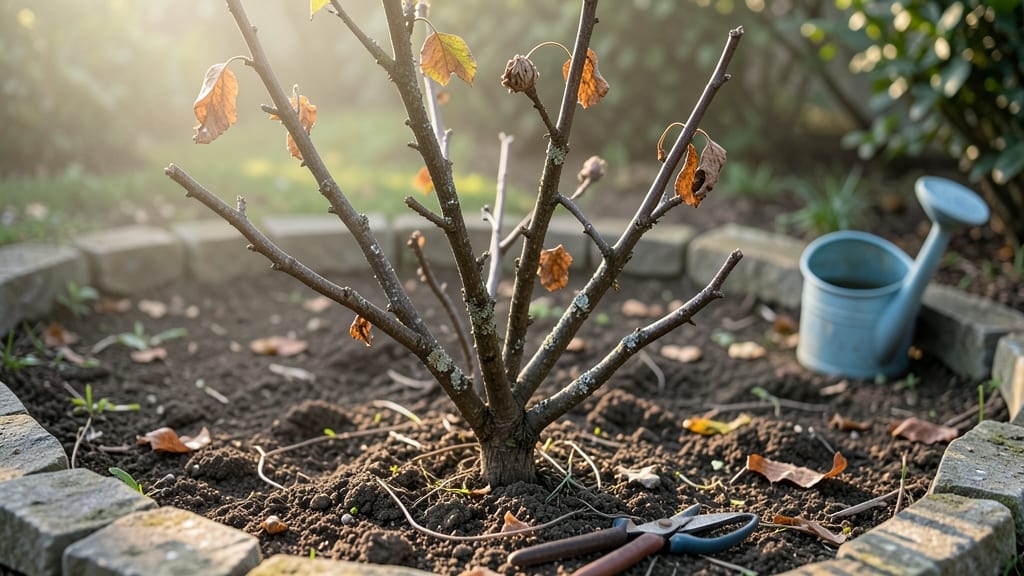
Even if your Rose of Sharon died back to bare branches last winter, don’t panic—three simple cuts can coax it into a lush, blooming comeback. 🌿 I’ve revived more than my share of these hardy shrubs, and the secret lies in timing and technique. lies in diagnosing the real problem first: is it thirsty, diseased, or just exhausted from last summer’s heat?
The key is checking stems, leaves, and roots before you prune—because cutting too soon can turn a temporary setback into permanent loss.
Most dying Rose of Sharons fall into three categories: overwatered roots (soggy, mushy stems), powdery mildew (white fuzzy patches on leaves), or nutrient burnout (yellowing leaves despite regular feeding). Start by inspecting the base—healthy roots smell earthy, not rotten.
If the soil’s compacted or waterlogged, that’s your first fix: amending with compost and ensuring proper drainage. For pests or disease, you’ll need to act fast, but pruning too aggressively while the plant’s still stressed can backfire.
Once you’ve ruled out rot or pests, three simple cuts can revive even the most bedraggled climber: first, remove any dead or diseased branches at the base, then trim back overgrown stems by one-third to encourage new growth, and finally, shape the plant to open up its center for better airflow.
Within 4-6 weeks, you’ll see fresh green shoots pushing through—proof that your Rose of Sharon isn’t gone, just waiting for the right wake-up call.
The real magic happens in late winter or early spring, when the plant’s dormant but ready to rebound. This is when you’ll see the most dramatic turnaround, especially if you’ve been consistent with watering (deep but infrequent) and mulching to protect roots.
Think of it as a reset button—your climber’s just been waiting for you to press it.
📚 In This Guide
- What you need
- Instructions
- Tips and common mistakes
- Wrapping up and next steps
What you need
- ● Pruning shears – Sharp, bypass-style shears (avoid dull or anvil types to prevent crushing stems). Size: 6-8 inches for medium branches.
- ● Loppers – For thicker branches (½–1.5 inches in diameter). Look for: Ratcheting or bypass action for precision.
- ● Garden gloves – Heavy-duty, cut-resistant gloves to protect your hands from thorns and sap.
- ● Disinfectant (70% isopropyl alcohol or bleach solution) – 1 part bleach to 9 parts water to sterilize tools between cuts and prevent disease spread.
- ○ Pruning sealant (optional but helpful) – Tree wound dressing (like Tanglefoot) to coat larger cuts and reduce water loss.
- ● Bucket or trash bag – For collecting pruned branches and debris.
- ● Watering can or hose – To hydrate the plant post-pruning (especially if it’s been dry).
- ● Hand saw – For very thick branches (1.5+ inches) that loppers can’t handle.
- ● Extension pole – If your shrub is tall, a 3-4 ft. pole saw makes high cuts safer.
- ● Mulch (shredded bark or wood chips) – 2-3 inches around the base to retain moisture and protect roots.
- ● Fertilizer (balanced or rose-specific) – A 10-10-10 or 5-10-5 formula to give your Rose of Sharon a nutrient boost after pruning.
- ● Notebook & pen – To sketch a simple diagram of the shrub’s structure before cutting (helps visualize the shape!).
How to revive a dying Rose of Sharon plant
Here's the straightforward approach I've used to bring back struggling climbers—no guesswork, just proven cuts and care.
✂️ Step 1: Assess the Damage and Prune Dead Wood
Start by examining the plant closely. Look for branches that are completely brown, brittle, or have no green leaves or buds remaining—these are dead and need removal. I grab a pair of clean, sharp pruners and make my first cut about ½ inch above a bud that faces outward on the stem. This ensures new growth will face away from the center, improving airflow and sunlight penetration.
Don't worry about being too aggressive here. Rose of Sharon is incredibly resilient, and removing dead wood prevents disease from spreading to healthy parts of the plant. If you're unsure whether a branch is dead, gently scratch the bark with your fingernail—if it's green underneath, it's still alive. If it's brown and dry, it's time to cut it off.
🌱 Step 2: Thin Out Crowded Growth for Better Airflow
Next, focus on the living branches. Rose of Sharon often grows densely, which traps moisture and encourages fungal issues. I aim to thin out about one-third of the plant's oldest and thickest stems, cutting them back to the ground. This might seem drastic, but it stimulates new, vigorous growth from the base and reduces stress on the plant.
For the remaining branches, look for areas where stems cross or rub against each other. These spots are prime locations for disease. Use your pruners to make a clean cut just above a healthy bud, removing the weaker or crossing branch entirely. You'll see a noticeable difference in airflow within the plant after this step—it's like giving your Rose of Sharon a breath of fresh air.
☀️ Step 3: Encourage New Growth with Strategic Cuts
Now, it's time to shape the plant for recovery. Focus on the remaining branches and cut back any that are overly long or leggy by about one-third of their length. Make your cuts just above a bud that's facing outward. This technique encourages the plant to produce bushier, more compact growth rather than long, weak stems.
Pay special attention to the tips of the branches. If they're bare or have only a few small leaves, cutting them back will prompt the plant to send out new shoots from lower buds. You'll often see new growth emerging within 2-3 weeks if the plant is still healthy underneath. Keep an eye out for fresh, vibrant green shoots—they're your sign that the plant is responding well to the pruning.
💧 Step 4: Adjust Watering and Fertilizing for Recovery
After pruning, give your Rose of Sharon a deep watering to help it recover from the stress of cutting. Water slowly at the base of the plant until you see moisture seeping out of the drainage holes in the pot or about 6 inches into the soil. This ensures the roots get the hydration they need without sitting in soggy conditions.
Wait until new growth appears before fertilizing again. I usually hold off for about 4-6 weeks to give the plant time to heal. Once you see fresh leaves emerging, apply a balanced, water-soluble fertilizer diluted to half strength. This gentle approach prevents burning the roots while providing the nutrients needed for recovery. Keep the soil consistently moist but not waterlogged during this time.
Tips & tricks for reviving a Rose of Sharon plant
Here's what I've learned from years of bringing these tough climbers back to life—simple tricks that make all the difference.
Pruning Precision: When making your cuts in Step 1, angle them slightly away from the bud you're targeting. This creates a natural water runoff path, preventing rot at the cut site. I also recommend sterilizing your pruners with rubbing alcohol between cuts—this reduces the risk of spreading disease from dead to living branches.
Airflow Strategy: In Step 2, don't just focus on removing branches—think about the overall shape. Aim to create an open vase-like structure with space between branches. This isn't just about looks; proper airflow is what prevents those pesky fungal infections that often kill Rose of Sharon plants. You'll know you've done it right when you can see light and air moving freely through the center.
Growth Timing: The 2-3 week window mentioned in Step 3 is your best indicator of success. If you don't see fresh green shoots within this time, don't panic—wait another week. Sometimes the plant needs that extra time to recover from the shock of pruning. I've seen plants that looked completely dead spring back to life after 4 weeks of patience.
Watering Wisdom: After your deep watering in Step 4, let the top 2 inches of soil dry out before watering again. Rose of Sharon plants hate soggy roots, which can lead to root rot. I use my finger to check moisture—if it feels dry 2 inches down, it's time to water. This balance is key to preventing both underwatering and overwatering during recovery.
Pro Tips for Rose Of Sharon Died
- Here's what I've learned from years of bringing these tough climbers back to life—simple tricks that make all the difference.
- Pruning Precision: When making your cuts in Step 1, angle them slightly away from the bud you're targeting.
- Airflow Strategy: In Step 2, don't just focus on removing branches—think about the overall shape.
Frequently asked questions
Got questions about your Rose of Sharon (Hibiscus syriacus) after it’s died back? You’re not alone! Here are answers to the most common concerns—plus tips to bring it back to life.
Why did my Rose of Sharon die suddenly?
Sudden death often stems from overwatering (root rot), underwatering (drought stress), or freeze damage in winter. Check the soil—it should be damp but not soggy. If branches are mushy or black, root rot may be the culprit. Pro tip: Prune dead stems at the base and monitor soil moisture.
How long does it take for a Rose of Sharon to revive after pruning?
With proper care, new growth can appear in 4–8 weeks after pruning. Keep the soil moist, fertilize lightly (use a balanced 10-10-10), and place it in full sun. Patience is key—some varieties take longer to bounce back, especially if roots were damaged. Watch for: Tiny buds forming at branch tips.
Can I save a Rose of Sharon with only a few stems left?
Yes! Even with minimal stems, rejuvenation pruning can work. Cut back ⅓ of the plant to encourage new shoots. If the roots are healthy (white/firm), the shrub will regrow. For extra insurance, take hardwood cuttings in late winter and root them in perlite. Warning: Avoid pruning in extreme heat or cold.
What’s the best alternative if my Rose of Sharon won’t recover?
If revival fails, consider these low-maintenance, drought-tolerant alternatives with similar blooms:
- Butterfly Bush (Buddleia) – Thrives in poor soil, attracts pollinators.
- Crape Myrtle – Heat-resistant, long bloom season.
- Abelia – Evergreen in warm climates, fragrant flowers.
- Spirea – Hardy, blooms repeatedly, great for borders.
Will my Rose of Sharon die in winter, and how can I protect it?
Rose of Sharon is deciduous—it loses leaves in winter but doesn’t die permanently. To prevent winterkill:
- Mulch 3–4 inches around the base (use shredded bark or straw).
- Avoid pruning in late fall—wait until late winter/early spring.
- Water sparingly in drought-prone winters (unless soil is bone-dry).
Wrapping up and next steps
Don’t let a Rose of Sharon’s decline break your gardening spirit—with the right pruning techniques, you can revive it and enjoy its stunning blooms for years!
Remember, timing, tools, and technique are your best friends here. 🌸 Now’s the perfect moment to grab those shears, roll up your sleeves, and give your shrub the fresh start it deserves.
Ready to transform your garden? Start by scheduling a quick check-in with your Rose of Sharon this weekend—observe its health, trim those dead branches, and watch it thrive! 🌿