
Landscaping
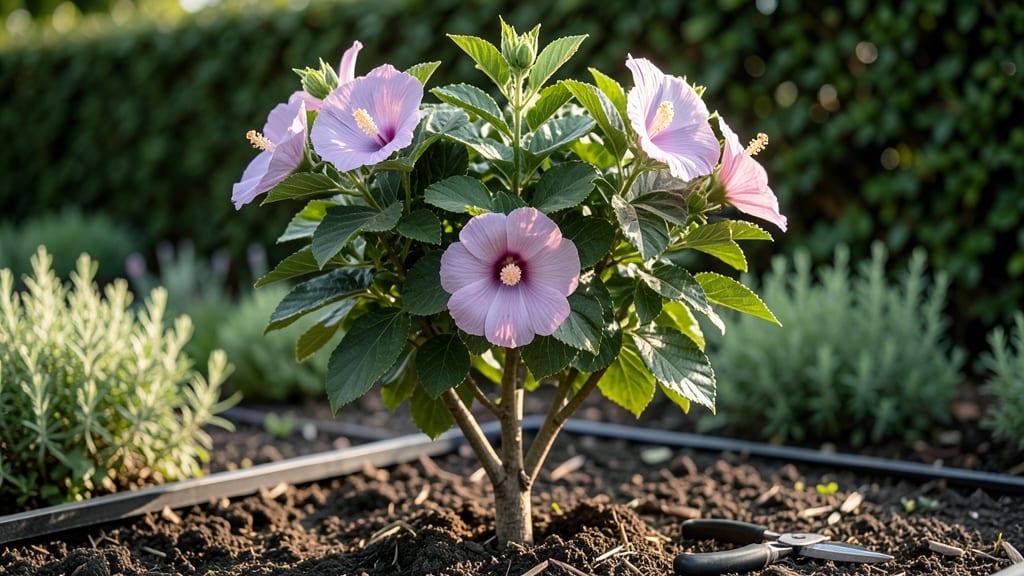
Transform your garden’s rose of Sharon landscape with fragrant vines that burst into summer blooms and linger beautifully through fall. I’ve used them to soften fences, frame pathways, and even create privacy screens—all while adding that intoxicating jasmine-like scent when you brush past.
The secret lies in their versatility: plant them 6-10 feet apart for a natural hedge, or space them closer for a lush, layered border. Their deep pink, purple, or white flowers attract butterflies and hummingbirds, making your garden feel alive.
Plus, they handle pruning like a champ—just trim back in late winter to shape them and encourage fresh growth. You’ll love how they glow at dusk, their blooms standing out against evening shadows. Pair them with ornamental grasses for texture or add climbing roses for a classic combo.
The fragrance alone makes them worth every inch of space. Works in full sun or partial shade, thrives in most soils, and handles city pollution better than many plants. Perfect for small yards, large estates, or anything in between!
📚 In This Guide
- What you need
- Instructions
- Tips and common mistakes
- Wrapping up and next steps
What you need
- ● Rose of Sharon Plants: 3–5 mature plants (5–6 ft tall) for a full border effect
- ● Young saplings (3–4 ft) for filling gaps or smaller spaces
- ● Pro Tip: 💡 Choose varieties like 'Diana' (lavender) or 'Blue Bird' (violet) for vibrant color contrast!
- ● Soil Amendments: 2–3 bags of garden compost (50 lb each) for nutrient-rich soil
- ● 1 bag of slow-release fertilizer (10-10-10 or similar)
- ○ Optional: Mulch (3–4 cubic feet of shredded bark or pine straw)
- ● Planting Supplies: Garden trowel or digging spade
- ● Hose with soaker nozzle or watering can
- ● Pruning shears (for shaping after planting)
- ○ Support Structures (Optional): Trellis panels (6–8 ft tall) or obelisks for climbing varieties
- ● Stakes or garden twine for training young vines
- ○ Decorative Accents (Optional): Garden stones or border edging to define the planting area
- ● Complementary perennials (e.g., coneflowers or black-eyed Susans) for texture
- ● ✅ Sunlight: Full sun to partial shade (6+ hours of sun daily for best blooms)
- ● ✅ Soil: Well-draining, slightly acidic to neutral (pH 6.0–7.5)
- ● ✅ Spacing: Plant 4–6 ft apart for mature growth (check variety specs!)
- ● ✅ Season: Plant in early spring or fall (avoid extreme heat)
- ● ✅ Water Access: Consistent moisture for the first 2–3 weeks post-planting
Step-by-step guide to designing a stunning Rose of Sharon border
This fragrant vine thrives in borders—here’s how to create a lush, low-maintenance display that blooms from summer to fall.
Choose the Perfect Location
Select a site with full sun to partial shade (at least 6 hours of sunlight daily). Rose of Sharon tolerates heat and humidity, making it ideal for southern exposures or urban gardens where other plants struggle. Avoid low-lying areas where cold air settles—this vine dislikes frost pockets.
Test your spot by observing how much sun it gets over a week. Mark the driest, sunniest stretch along your border—this is where you’ll plant. If your soil drains poorly, amend it with 2-3 inches of compost before planting. The roots will thank you with vigorous growth and fewer diseases.
Space Plants for Maximum Impact
Dig holes twice as wide as the root ball but only as deep. Space plants 6-8 feet apart for a classic border look, or 4-5 feet apart if you prefer a denser, quicker-covering effect. I like to stagger the rows slightly—this creates a natural, wavy rhythm that catches the eye.
Gently tease the roots of container-grown plants before placing them in the hole. This encourages them to spread outward instead of circling, which weakens the plant. Backfill with native soil mixed with a handful of slow-release fertilizer—this gives them a nutrient boost without burning tender roots.
Support and Train the Vines
Install 5-6 foot tall trellises or arbor frames at planting time. Rose of Sharon grows aggressively and needs support to climb gracefully. I use powder-coated metal trellises because they won’t rust, even in wet climates. Space them 8-10 feet apart along the border for even distribution.
Weave the main stems through the trellis as they grow, tying them loosely with soft plant ties (never wire—it cuts into the bark). Prune back any leggy growth in early spring to encourage bushier blooms. The goal is to train the vines upward while allowing lower branches to fill out the border naturally.
Mulch and Water for Long-Term Health
Spread 3-4 inches of mulch (wood chips or shredded bark work best) around each plant, keeping it 6 inches away from the trunk to prevent rot. Mulch conserves moisture, regulates soil temperature, and suppresses weeds—critical for a tidy border. Replenish it annually as it breaks down.
Water deeply once a week during the first growing season to establish roots. Once established, Rose of Sharon is drought-tolerant, but you’ll get the best blooms if you keep the soil evenly moist (not soggy). Check moisture by sticking your finger 2 inches into the soil—if it’s dry, it’s time to water.
Prune for Continuous Blooms
Prune in late winter or early spring before new growth appears. Remove dead, diseased, or crossing branches first. Then cut back the remaining stems by one-third to encourage new growth. This is the secret to nonstop blooms—your plants will reward you with fragrant flowers from mid-summer to frost.
After the first flush of blooms fades, give the plant a light trim to shape it. Avoid heavy pruning in fall—it stimulates tender growth that won’t survive winter. Instead, let the vines stand through winter for natural protection against cold snaps.
Tips & tricks for perfect Rose of Sharon borders
Transforming your garden with fragrant Rose of Sharon vines doesn't have to be complicated—just a few key strategies make all the difference.
Location Insight: While Rose of Sharon thrives in full sun, don't overlook partial shade options in hotter climates. I've seen stunning borders in morning sun with afternoon shade—just ensure those 6 hours of sunlight are consistent. Test your spot by observing how much sun it gets over a week before committing. This vine's ability to handle humidity makes it perfect for urban gardens where other plants struggle.
Planting Precision: The secret to a lush border lies in proper spacing and root preparation. When teasing roots of container-grown plants, focus on spreading them outward rather than just loosening them. This encourages outward growth that strengthens the plant. I've found that using a garden fork to gently loosen the root ball before planting helps even more—it mimics natural root spread without damaging delicate roots.
Support System: Those 5-6 foot tall trellises aren't just decorative—they're essential for guiding the vine's aggressive growth. I recommend installing them at planting time and securing the main stems immediately. This prevents the vine from developing weak, sprawling habits. For a more natural look, consider using flexible bamboo stakes instead of rigid trellises—they allow the vine to move slightly with wind while still maintaining vertical growth.
Pruning Strategy: The one-third pruning rule in late winter is your key to continuous blooms. I've learned the hard way that skipping this step results in fewer flowers and leggier growth. When pruning, make cuts just above outward-facing buds to encourage bushier growth. For established plants, you can do a second light pruning after the first flush of blooms to shape the plant and encourage another round of flowers before frost.
Pro Tips for Rose Of Sharon Landscape
- Transforming your garden with fragrant Rose of Sharon vines doesn't have to be complicated—just a few key strategies make all the difference.
- Location Insight: While Rose of Sharon thrives in full sun, don't overlook partial shade options in hotter climates.
- Planting Precision: The secret to a lush border lies in proper spacing and root preparation.
Frequently asked questions
Got questions about incorporating Rose of Sharon (Hibiscus syriacus) into your landscape? You’re not alone! Here are some of the most common queries—and their answers—to help you design with confidence.
When is the best time to plant Rose of Sharon for optimal growth?
The ideal time to plant is early spring or fall (4–6 weeks before the first frost). This gives roots time to establish before extreme temperatures. Avoid planting in summer heat, as stress can stunt growth. If planting in fall, choose a mild-climate zone to prevent winter damage.
How cold-hardy is Rose of Sharon, and does it need winter protection?
Rose of Sharon thrives in USDA Zones 5–9 and is highly cold-resistant—it can survive down to -20°F (-29°C)! However, in Zone 5 or colder, young plants may benefit from mulch (3–4 inches) around the base to insulate roots. Prune back dead or damaged branches in late winter for a fresh start.
Can I grow Rose of Sharon in containers, or is it strictly for garden borders?
While it’s best suited for borders, Rose of Sharon can thrive in large containers (15+ gallons) if given well-draining soil and regular watering. Use a trellis or sturdy support for vining varieties. Just note: Potted plants may need winter protection in colder zones (e.g., wrapping the pot in burlap or moving it indoors).
How and when should I prune Rose of Sharon to encourage blooms?
Prune in late winter or early spring (before new growth) to shape the plant and remove dead or crossing branches. For more blooms, prune lightly in summer after flowering to promote bushier growth. Avoid heavy pruning in fall, as it can stimulate tender new growth that may frost damage.
Are there common pests or diseases I should watch for with Rose of Sharon?
Rose of Sharon is generally pest-resistant, but keep an eye out for:
- Aphids or spider mites: Spray with water or use neem oil if infested.
- Powdery mildew: Improve air circulation and avoid overhead watering.
- Japanese beetles: Handpick or use organic traps early in the season.
Wrapping up and next steps
Transforming your garden with Rose of Sharon (Hibiscus syriacus) isn’t just about adding beauty—it’s about creating a fragrant, low-maintenance haven that thrives year after year. These versatile vines bring texture, color, and seasonal interest while requiring minimal effort, making them a game-changer for any landscape border.
Whether you’re a seasoned gardener or just starting, now’s the perfect time to plant, prune, or simply admire their effortless charm.
Ready to elevate your outdoor space? Start small—pick one corner, a trellis, or a fence—and let the Rose of Sharon work its magic. Browse our plant care guides or connect with local nurseries to find the perfect variety for your climate. Your garden’s next masterpiece is just a vine away! 🌸✨