
Orchid Care
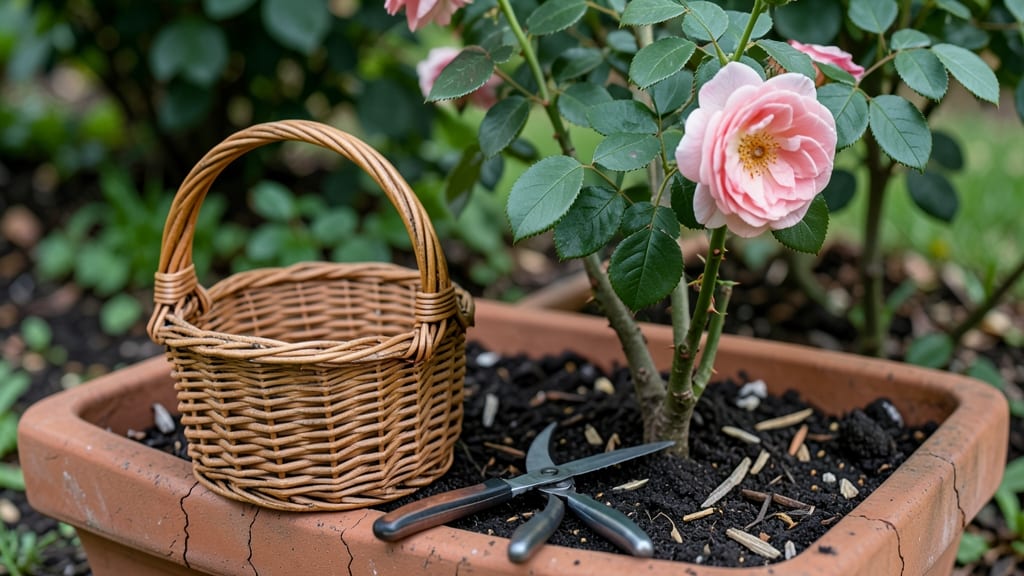
Creating rose water from petals transforms your garden's bounty into a luxurious, fragrant elixir that's surprisingly simple. ✨ The key lies in selecting the right roses—Damask varieties yield the most delicate, high-quality petals—and timing your harvest just right for maximum potency.
Start with fully open blooms, free of pesticides, and pluck them in the morning after dew has evaporated. Remove thorns carefully, then lay petals in a single layer to dry either under the sun or in a dehydrator at 170°F for 2-3 hours.
This preserves their vibrant color and rich aroma perfectly. Once dried, you can extract the essence through gentle infusion in oil or simple distillation. The result is a fragrant liquid that lasts for months when stored in a cool, dark place.
Every step builds on the last, turning garden flowers into a timeless homemade treasure.
This method works with any rose variety, though Damask roses produce the most intense fragrance. For best results, harvest petals on a cloudless day when their scent is strongest. A small batch yields about 1 cup of petals, enough for a few ounces of finished rose water.
Store your rose water in an airtight glass bottle away from light to maintain its potency. With proper care, it can last up to a year, though the fragrance will gradually fade over time. The process is simple, but the reward—a luxurious, homemade product—is truly special.
📚 In This Guide
- What you need
- Instructions
- Tips and common mistakes
- Wrapping up and next steps
What you need
- ● Fresh rose petals: 1 cup (about 30–40g) – Use organic, pesticide-free petals for the best flavor and fragrance. Tip: Darker roses (like Damask or Cabbage roses) yield richer scent! 🌸
- ● Distilled water: 1 quart (32 oz or ~946ml) – Tap water may introduce impurities, so stick with high-quality distilled.
- ● Glass jar with lid: 1-quart (32 oz) capacity – A wide-mouth mason jar works perfectly for easy filling and sealing.
- ● Stainless steel or glass bowl: – For rinsing and preparing petals.
- ● Fine-mesh strainer or cheesecloth – To filter out petal debris after steeping.
- ● Wooden spoon – For gently stirring petals in water.
- ○ Food processor or mortar & pestle (optional) – Lightly crush petals to release more oils (but avoid over-processing!).
- ● Dark glass bottle – For storing finished rose water (protects from light degradation).
- ○ Essential oil (optional) – A drop of rose essential oil can enhance fragrance if your petals are mild.
Simple rose water extraction: step-by-step fragrant extraction
Here’s the straightforward method I use to make delicate, high-quality rose water at home—no fancy equipment needed.
🌿 Step 1: Select and Prepare the Rose Petals
Choose fresh, fully bloomed roses with vibrant petals—avoid wilted or pesticide-treated flowers. Gently pluck the petals from the stems, discarding any green sepals or thorns. You’ll need about 2 cups of petals for a standard batch (enough for 4 servings of rose water). Spread them on a clean kitchen towel to dry slightly for 10-15 minutes—this helps release their natural oils.
Real talk: If your roses smell faintly of perfume or chemicals, soak the petals in 1 cup of distilled water for 5 minutes first. This removes any residues that could dull the final fragrance. Drain and pat dry before proceeding.
💧 Step 2: Distill the Petals with Water and Carrier Oil
Place the prepared petals in a large stainless steel pot (avoid aluminum or copper—these react with the oils). Add 4 cups of distilled water and 2 tablespoons of a neutral carrier oil (like grapeseed or sweet almond oil). The oil helps trap the rose’s volatile compounds during distillation. Bring the mixture to a gentle boil over medium-low heat—never let it boil vigorously, or the petals will turn bitter.
Once boiling, immediately reduce the heat to the lowest setting and let it simmer uncovered for 30-45 minutes. You’ll see the petals soften and the water take on a pale pink hue. This is your signal that the fragrance is transferring into the liquid. Keep an eye on the pot—if the water level drops too low, add a splash of distilled water to maintain the ratio.
☀️ Step 3: Strain, Bottle, and Store for Maximum Freshness
After simmering, remove the pot from heat and let it cool to room temperature (about 1-2 hours). Line a fine-mesh strainer with cheesecloth or a coffee filter and pour the mixture through it, pressing gently to extract every last drop. Discard the spent petals. The strained liquid is your rose water—it should smell intensely floral with a hint of the oil’s subtle notes.
Transfer the rose water to clean, amber glass bottles (UV light degrades the fragrance). Store in a cool, dark place—it’ll keep for up to 2 weeks in the fridge. For longer shelf life, add 1 teaspoon of vodka per cup of rose water as a natural preservative. Shake gently before each use to redistribute the oils.
Tips & tricks for perfect rose water extraction
Here's what nobody tells you about making truly aromatic rose water at home.
Petal Selection Matters: The 2 cups of petals should come from roses that smell intensely floral when crushed between your fingers. If your roses have a faint perfume scent, that chemical residue will transfer to your water. I've ruined batches using store-bought roses with artificial fragrances—always use organic garden roses or flowers from a florist that specifies "scented" varieties. The 10-15 minute drying time is crucial too—it helps release the essential oils before they hit the water.
Heat Control: That "gentle boil" over medium-low heat is your friend. Too much heat and you'll get bitter-tasting rose water. I've learned this the hard way—once I let it boil vigorously and ended up with a watery, bitter liquid that smelled more like burnt petals than roses. Once boiling, immediately reduce to the lowest setting possible. You'll know it's right when you see tiny bubbles breaking the surface but no rolling boil. The 30-45 minute simmer at this low heat is when the magic happens—this is when the rose's volatile compounds fully infuse into the liquid.
Straining Technique: Don't rush the straining process in Step 3. After the 1-2 hour cooling period, line your strainer with cheesecloth and press the petals gently with the back of a spoon. This extracts every last drop of fragrant liquid. I've seen people skip this step and end up with water that's only half as potent. Also, save that spent cheesecloth—it makes excellent rose-infused compost tea for your garden!
Storage Wisdom: The 2-week fridge shelf life is non-negotiable if you skip the vodka preservative. UV light will destroy the fragrance, so amber glass bottles are a must. I store mine in the crisper drawer of my fridge where it stays dark and cool. For longer storage, the 1 teaspoon of vodka per cup acts as a natural preservative by lowering the water activity. Just remember to shake gently before each use—the oils will separate over time.
Pro Tips for Rose Petals For Rose Water
- Here's what nobody tells you about making truly aromatic rose water at home.
- Petal Selection Matters: The 2 cups of petals should come from roses that smell intensely floral when crushed between your fingers.
- Heat Control: That "gentle boil" over medium-low heat is your friend.
Frequently asked questions
Got questions about making rose water from petals? You’re not alone!
Here are answers to the most common queries to help you craft the perfect floral infusion at home.
How many rose petals do I need for a standard batch of rose water?
A typical recipe uses 1 cup of fresh rose petals (about 100–150 petals) for every 2 cups of distilled water. If you’re using dried petals, reduce the amount to ½ cup per 2 cups of water—they’re more concentrated! Adjust based on your desired scent strength.
How long should I steep the petals to get the best rose water?
Steep the petals for 24–48 hours at room temperature for a balanced flavor and fragrance. For a milder taste, steep for 12–24 hours. If you’re impatient, a 2-hour simmer on low heat works too—but watch closely to avoid burning!
Can I use store-bought rose petals instead of fresh ones?
Yes! Dried rose petals (food-grade, pesticide-free) work well—they’re more potent, so use half the amount. Avoid sprayed or dyed petals, as chemicals can ruin the infusion. For the best results, choose organic or specialty floral shops.
What should I do if my rose water turns cloudy or smells off?
Cloudiness usually means bacteria or yeast—discard it and sterilize your jar next time. A sour or vinegary smell? Your petals may have spoiled. To prevent this, use distilled water, store in a clean glass jar, and keep it refrigerated after opening.
Can I reuse the petals after making rose water?
Not for rose water—petals lose their oils after infusion. But don’t toss them! Use them in homemade potpourri, rose petal tea, or even as a natural facial scrub (mix with honey or aloe vera). Just strain them well first!
Wrapping up and next steps
Crafting your own rose water from petals is a rewarding experience that fills your home with a natural, luxurious fragrance—without the hassle of store-bought products.
Whether you’re a gardening enthusiast or a DIY lover, this simple process connects you to the beauty of roses while offering a versatile ingredient for skincare, cooking, or homemade perfumes. 🌹✨
Ready to elevate your space? Gather your petals, follow the steps, and experiment with flavors or scents! Share your creations or tag us—we’d love to see your fragrant masterpieces in action.