
Vegetables
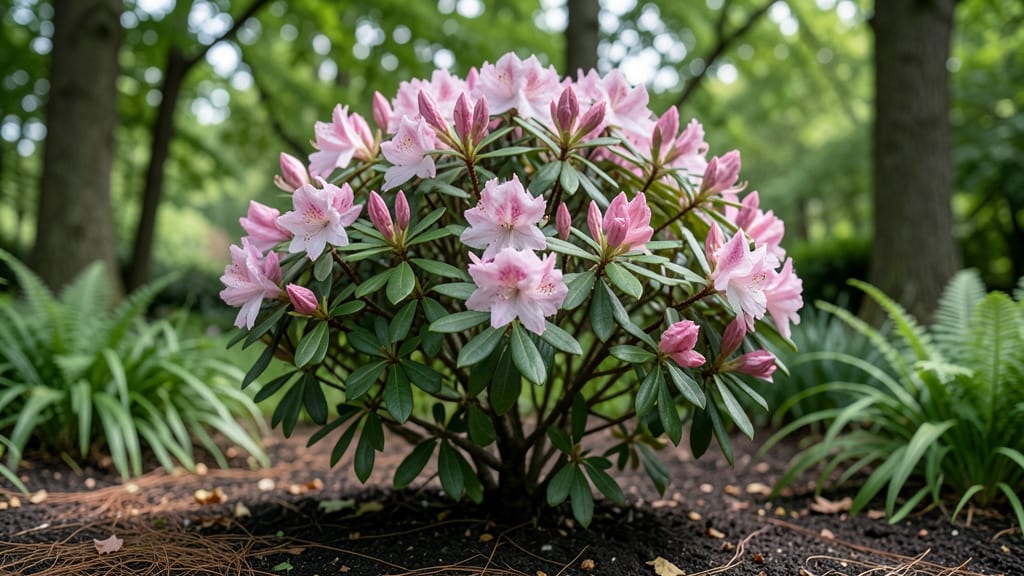
Your rosebud azalea can bloom through winter with the right care—no green thumb required. 🌿 I’ve watched mine push out delicate pink buds in December when others give up, and it all comes down to smart winter prep, not magic.
The key is protecting what’s already there while setting up next year’s show. Start with 3 inches of mulch around the base to insulate roots, then prune after the first frost to avoid encouraging late-season growth. Watering shifts too—just enough to keep soil from drying out completely, not soggy.
Overwatering in winter is a silent killer. By spring, you’ll see fresh foliage unfurling and those signature rosebud clusters forming earlier than neighbors’ plants. The fragrance alone makes it worth the effort—imagine walking past a bush heavy with blooms in January.
Works for zones 5-8, though zone 5 azaleas need extra mulch. Skip the heavy pruning now; we’ll tackle that in late winter. Let’s keep those buds safe!
📚 In This Guide
- What you need
- Instructions
- Tips and common mistakes
- Wrapping up and next steps
What you need
- ● Pruning shears or loppers – Sharp, clean, and sterilized (bypass pruners work best for precision cuts).
- ● Gloves – Heavy-duty, cut-resistant (to protect from thorns and cold).
- ● Disinfectant (70% isopropyl alcohol or bleach solution) – 1 part bleach to 9 parts water (for sterilizing tools).
- ● Mulch (pine straw, shredded bark, or wood chips) – 2–3 inches thick (to insulate roots).
- ● Watering can or hose with a gentle spray nozzle – For deep watering before dormancy.
- ● Burlap or frost cloth – Lightweight, breathable fabric (to protect blooms from late frosts).
- ● Pruning sealant – For large cuts (1/4" or thicker) (to prevent disease entry).
- ● Garden twine or plant ties – To secure frost cloth if winds are strong.
- ● Soil moisture meter – To monitor hydration during dry winters.
- ● Slow-release fertilizer (balanced 10-10-10) – Small amount in early spring (for post-winter revival).
Step-by-step guide for winterizing rosebud azaleas
Cold-hardy azaleas like rosebud varieties thrive in winter with the right care—here’s how to protect their fragrance and blooms.
☀️ Step 1: Assess Your Azalea’s Cold Hardiness
First, identify your azalea’s hardiness zone—rosebud azaleas typically handle zones 5-9, but younger plants or newly planted ones need extra protection. Look for brown or wilted leaves as a sign of stress, which means it’s time to act. I always check for new growth in late summer—if it’s still pushing out, it’s not fully hardened off yet.
If your azalea is in zone 5 or colder, mulch heavily around the base (up to 3 inches deep) with pine straw or shredded leaves to insulate roots. For zones 6-9, a 2-inch layer of mulch is enough. Avoid piling mulch against the trunk—keep it 6 inches away to prevent rot.
🪴 Step 2: Prune for Winter Shape and Health
Late-season pruning (after blooming but before hard frost) encourages stronger growth next spring. Cut back dead, diseased, or crossing branches first—these are easy to spot as they’re brown or have no leaves. Use clean, sharp pruners to make cuts just above a bud or leaf node, angled slightly downward.
For shaping, remove no more than one-third of the plant’s growth at once. Focus on opening up the center to improve airflow, which reduces winter moisture buildup that can lead to rot. I always prune on a dry, sunny day—wet branches can harbor fungal spores.
💧 Step 3: Water Deeply Before the Ground Freezes
Azaleas need deep watering in late fall to build root reserves for winter. Water once every 2-3 weeks until the ground freezes, aiming for 1 inch of water per week. You’ll know you’ve watered enough when the soil feels moist 6 inches down—stick a screwdriver in to check.
Avoid overhead watering in winter—wet foliage can freeze and damage buds. Instead, use a soaker hose at the base of the plant. If your azalea is in a container, move it to a sheltered spot (like against a north-facing wall) and water sparingly—containers dry out faster in cold weather.
✂️ Step 4: Protect Tender Buds from Frost Damage
Rosebud azaleas bloom on new wood, so their buds are especially vulnerable to late frosts. Cover the plant with burlap or frost cloth if temperatures drop below 20°F. Secure the fabric loosely—tight wraps can trap too much moisture and cause rot. I like to use stakes or small branches to hold the cover in place without crushing the branches.
Remove the cover on sunny days to let light and air circulate. If snow accumulates, gently brush it off—too much weight can break branches. Watch for blackened or mushy buds in spring, which means frost damage. Healthy buds should stay firm and green until blooming season.
🌿 Step 5: Monitor for Pests and Disease Over Winter
Winter isn’t pest-free—spider mites and scale insects can still hide under bark or in crevices. Inspect your azalea monthly for webbing, sticky residue (honeydew), or tiny crawling insects. If you spot any, treat with neem oil spray in early spring before new growth appears.
Also, keep an eye out for powdery mildew on leaves, which looks like a white, flour-like dust. Improve airflow by pruning out dense growth and avoid overhead watering. If mildew appears, remove affected leaves and spray with a baking soda solution (1 tsp baking soda + 1 quart water + a drop of dish soap).
Tips & tricks for perfect winterizing rosebud azaleas
Here's what nobody tells you about keeping your rosebud azaleas thriving through winter—these tricks make all the difference between a sad, brown bush and one bursting with spring fragrance.
Zone-Specific Mulching: The 3-inch mulch depth for zones 5 and colder is non-negotiable for root insulation, but here's the secret: use pine straw or shredded leaves—they're better insulators than wood chips because they allow moisture to escape while trapping heat. I've seen azaleas in zone 5 survive -10°F winters with this method. Keep that mulch 6 inches away from the trunk to prevent rot, which is a common mistake that kills more azaleas than cold itself.
Pruning Timing Secret: You know pruning should happen after blooming but before hard frost, but here's what I learned the hard way: prune on a dry, sunny day—wet branches hide fungal spores that can overwinter and attack your plant next spring. I used to prune after rain and ended up with more problems than I solved. Also, when shaping, aim to open the center by 30-40%—this isn't just about looks, it's about airflow that prevents winter moisture buildup.
Frost Protection Hacks: That 20°F threshold for covering buds is your warning sign, but here's how I do it better: use burlap instead of plastic—it breathes while still blocking wind chill. I also prop the cover with small branches or stakes rather than tying it directly to the plant, which prevents crushing. And here's a game-changer: remove covers on sunny winter days to prevent condensation buildup that can freeze and damage buds overnight.
Winter Pest Prevention: Monthly inspections for spider mites and scale are crucial, but I've found these early warning signs work better: look for tiny white webs on undersides of leaves (mite eggs) or brown bumps on branches (scale insects). Treat with neem oil in early spring—this gives pests no chance to establish before new growth starts. For powdery mildew, I've had great success with the baking soda spray, but only apply it when temperatures are above 40°F to avoid chemical stress on the plant.
Pro Tips for Rosebud Azalea In Winter
- Here's what nobody tells you about keeping your rosebud azaleas thriving through winter—these tricks make all the difference between a sad, brown bush and one bursting with spring fragrance.
- I've seen azaleas in zone 5 survive -10°F winters with this method.
- I used to prune after rain and ended up with more problems than I solved.
Frequently asked questions
How cold can rosebud azaleas tolerate?
Most rosebud azalea varieties handle temperatures down to 0°F (-18°C), but young plants or tender buds may need extra protection. Mulch heavily with 3–4 inches of shredded bark or pine needles to insulate roots. If your area gets colder than -10°F (-23°C), consider a burlap wrap or frost cloth for the first few winters.
Should I prune rosebud azaleas in winter?
Yes! Late winter (just after the worst cold passes, ideally February–March) is the perfect time to prune. Cut back dead, crossing, or overcrowded branches to encourage fresh growth. Avoid heavy pruning—stick to no more than 1/3 of the plant to preserve its shape and blooms.
What if my azalea’s buds don’t open in spring?
Bud dormancy is normal, but if buds turn brown or mushy, it could signal winter burn (from freeze-thaw cycles) or fungal issues. Trim damaged buds in early spring and apply a fungicide if needed. Boost soil moisture and mulch to recover. Pro tip: Avoid pruning too late—wait until after the last frost!
Can I grow rosebud azaleas in containers for winter?
Potted azaleas need extra winter care. Move containers to a sheltered spot (like a garage or against a sunny wall) and wrap the pot in bubble wrap to prevent root freeze. Water sparingly—only when the soil feels dry—and avoid fertilizing until spring. Bonus: Group pots together for shared warmth!
What’s a good winter alternative if my azalea struggles?
If your rosebud azalea battles winter stress, try these cold-hardy, fragrant alternatives:
- Dwarf Korean lilac (Syringa meyeri) – Blooms early, handles -20°F (-29°C)
- Winter honeysuckle (Lonicera fragrantissima) – Fragrant yellow flowers in late winter
- Clematis ‘Winter Beauty’ – Hardy to -30°F (-34°C), blooms in January–February
All three thrive in similar acidic, well-draining soil—just like azaleas!
Wrapping up and next steps
Caring for your rosebud azalea in winter doesn’t have to be a challenge—just a few thoughtful steps can keep its beauty thriving! With the right pruning, mulching, and protection, you’ll enjoy fragrant blooms and lush foliage even in the coldest months. 🌸
Ready to give your azalea the winter love it deserves? Start by reviewing your pruning schedule and preparing protective measures before the first frost. Your garden will thank you with vibrant blooms come spring!