
Pests
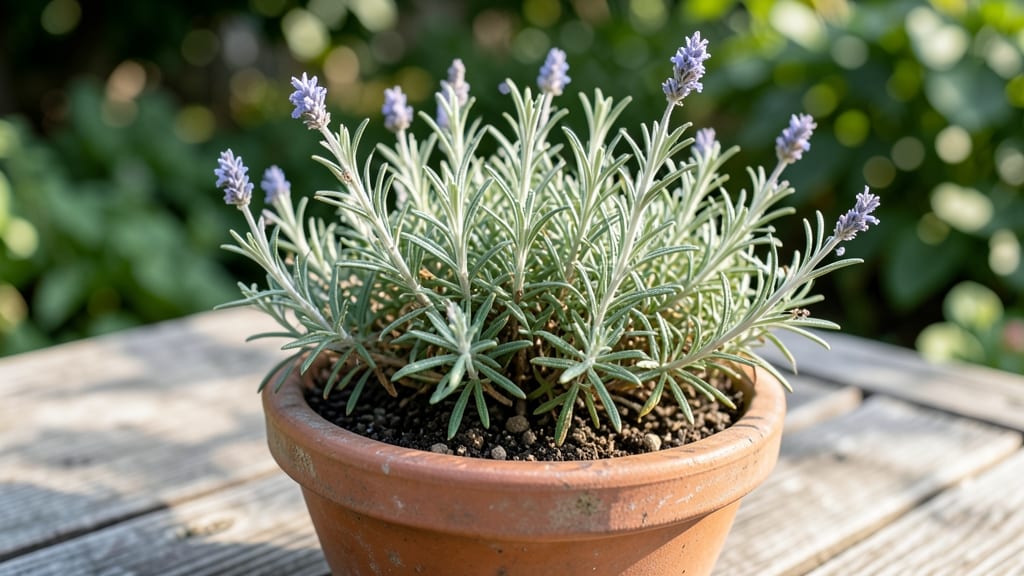
Your rosemary drying out doesn't mean it's dead—it's just telling you it needs a reset. 🌿 The woody stems might look sad, but with the right trimming and care, you can coax it back to lush, fragrant life.
Most people overwater or underestimate how much sun rosemary craves, and that's exactly what turns its needles crispy. The good news? Rosemary is shockingly resilient. Start by cutting back those dry stems to fresh green growth—this isn't pruning, it's a survival technique.
Then adjust your watering: rosemary hates soggy roots but also can't handle drought. Aim for once a week in summer, less in winter, and always check the soil first. Within 2-3 weeks, you'll see new growth pushing through those old stems.
The key is matching its Mediterranean roots: full sun, well-draining soil, and occasional deep watering. That crisp scent will be back before you know it. This works for both potted rosemary and garden plants.
Even if yours looks beyond hope, give it a try—you might be surprised how fast it bounces back.
Root Causes Of Dried Rosemary
Rosemary’s signature woody stems and fragrant leaves make it a kitchen staple—but when it dries out, it can feel like a heartbreaking loss. The good news?
Understanding why this happens is the first step to bringing your plant back to life. Let’s break down the science behind those crisp, lifeless branches.
Rosemary is a Mediterranean native, meaning it thrives in hot, dry climates. But when indoor temperatures spike (especially above 85°F) or humidity drops below 30%, the plant’s cells lose moisture faster than they can absorb it.
- Leaf transpiration: Tiny pores (stomata) on rosemary leaves release water vapor to cool the plant. In dry air, they stay open too long, evaporating moisture and causing wilting.
- Root absorption lag: Even with consistent watering, roots struggle to replenish water loss in extreme heat. The plant prioritizes survival over new growth, leading to dry, brittle stems.
- Soil moisture mismatch: Sandy or fast-draining soil (common for rosemary) can’t retain enough water for prolonged dry spells. Without deep hydration, stems shrink and harden.
💡 Pro Tip: Move potted rosemary to a shadier spot during heatwaves or use a pebble tray with water to boost humidity near the plant.
While underwatering is the usual suspect, overwatering can also dry out rosemary—indirectly. Here’s how:
- Root suffocation: Compacted or waterlogged soil cuts off oxygen to roots, forcing them to shut down. Without energy from photosynthesis, leaves yellow and crisp.
- Fungal infections: Excess moisture invites root rot (e.g., Phytophthora), which blocks water and nutrient uptake. The plant wilts as if thirsty, even when soil is soggy.
- Salt buildup: Tap water minerals accumulate in poorly drained soil, creating a hypertonic solution that draws water out of roots—like osmosis in reverse.
✨ Fix It: Ensure pots have drainage holes and use a cactus/succulent mix (60% mineral, 40% organic matter) to prevent compaction.
Rosemary is hardy but not immune to nutrient starvation. When key elements are missing, the plant diverts resources from leaves to stems, accelerating dryness:
| Deficiency | Symptoms | Why It Causes Dryness |
|---|---|---|
| Potassium (K) | Brown, crispy leaf edges; weak stems | Potassium regulates water retention and cell turgor (pressure). Without it, cells collapse. |
| Calcium (Ca) | td>New growth is stunted and brittle; leaf tips dieCalcium strengthens cell walls. Deficiency leads to apical necrosis (tip burn) and poor moisture retention. | |
| Magnesium (Mg) | Yellowing between leaf veins (chlorosis) | Magnesium is critical for chlorophyll. Without it, photosynthesis drops, reducing the plant’s ability to produce energy for hydration. |
💡 Pro Tip: Use a balanced fertilizer (10-10-10) sparingly (once every 2–3 months) or feed with compost tea for a slow-release nutrient boost.
Rosemary has a shallow but sprawling root system. When confined to a pot that’s too small:
- Circular root growth: Roots grow in tight loops, competing for the same water and nutrients. This creates a dry center where stems wither.
- Oxygen depletion: Overcrowded roots consume oxygen faster than the soil can replenish, leading to anaerobic stress and stunted growth.
- Limited water access: Small pots dry out 3x faster than garden beds. Even with watering, the plant can’t absorb enough to sustain large stems.
✨ Solution: Repot rosemary into a container 2–3 inches wider than its current root ball. Use a terracotta pot (which breathes) and refresh the soil annually.
While rosemary is pest-resistant, aphids, spider mites, or fungal diseases (like powdery mildew) can sap its strength, leading to dryness:
- Aphids: Pierce leaves to feed on sap, causing stunted growth and crispy edges.
- Spider mites: Thrive in dry conditions, webbing leaves together and blocking sunlight—starving the plant of energy.
- Powdery mildew: Forms a white coating on leaves, reducing photosynthesis by up to 50%, which accelerates dehydration.
🔥 Act Fast: Spray infested plants with neem oil or insecticidal soap, and prune affected stems immediately to prevent spread.
Reviving dried rosemary stems
If your rosemary has turned woody and crispy, don’t toss it just yet! With the right care, you can coax life back into those dried stems and keep your herb thriving. Below, we’ve mapped out practical solutions based on the most common causes—so you can diagnose the issue and take action fast.
If your rosemary is drying out from the roots up (or worse, rotting), it’s likely suffering from soggy soil or a lack of airflow.
🔥 Step 1: Check the Soil
Stick your finger about an inch into the soil. If it feels damp or sticky, your rosemary is getting too much water. Rosemary hates wet feet—it’s a Mediterranean plant that thrives in dry, well-draining conditions.
🍳 Step 2: Repot or Improve Drainage
- For potted rosemary: Move it to a container with drainage holes (if it doesn’t have them, drill some!).
Use a mix of cactus or succulent soil (or regular potting soil amended with perlite or sand) to improve airflow. - For garden rosemary: Amend the soil with coarse sand, gravel, or compost to break up clay and prevent compaction.
👨🍳 Step 3: Adjust Your Watering Routine
Rosemary should only be watered when the top inch of soil is completely dry. During hot months, this might mean watering every 7–10 days; in winter, it could stretch to 3–4 weeks. Always water at the base (not overhead) to avoid fungal issues.
✨ Pro Tip:
If your rosemary is already mushy or black at the base, it may be too far gone. But if the stems are just dry and brittle, trim back the damaged parts and propagate the healthy growth in fresh, dry soil.
If your rosemary is drying out from the tips inward, it’s likely thirsty—or struggling with intense heat and wind.
🔥 Step 1: Deep Water (But Not Too Much!)
Give your rosemary a slow, deep drink—this encourages roots to grow deeper. Water until it drains freely from the bottom of the pot, then let excess water evaporate before placing it back in a saucer.
🍳 Step 2: Mulch for Moisture Retention
Apply a thin layer of gravel or pebbles around the base (but not touching the stems) to reflect sunlight and reduce evaporation. Avoid organic mulch like wood chips—it can retain too much moisture.
👨🍳 Step 3: Protect from Harsh Elements
- Move potted rosemary to a spot with morning sun and afternoon shade during extreme heat.
- Use shade cloth (30–50% coverage) if growing outdoors in scorching climates.
- Group plants together to create a microclimate that retains humidity.
💡 Prevention Tip:
Rosemary is drought-tolerant once established, but young plants or containers dry out faster. Monitor soil moisture closely in summer!
Mature rosemary plants (3+ years old) often develop woody stems because they’ve outgrown their vigor. A lack of nutrients can also weaken growth.
🔥 Step 1: Prune for Rejuvenation
Cut back one-third of the woody stems to encourage new, tender growth. Use clean, sharp pruners and make cuts just above a leaf node (where new buds form).
🍳 Step 2: Fertilize Lightly
Rosemary doesn’t need much fertilizer, but a balanced, low-nitrogen feed (like 5-5-5) in early spring can help. Avoid heavy-handed feeding—too much nitrogen makes it floppy and less aromatic.
👨🍳 Step 3: Propagate the Cuttings
Turn those pruned stems into new plants! Dip the cut ends in rooting hormone (optional) and plant them in a sandy, well-draining mix. Keep the soil lightly moist and place in bright, indirect light until roots form (4–6 weeks).
🎯 Pro Tip:
If your rosemary is completely woody with no green growth, it’s time to start fresh. Propagate a few cuttings—you’ll have a bushier, more productive plant in no time!
If your rosemary is drying out in patches or has visible pests (like spider mites or aphids), it’s likely suffering from stress caused by infestations.
🔥 Step 1: Inspect for Pests
Check the undersides of leaves and stems for tiny webs, sticky residue (honeydew), or tiny crawling bugs. Common culprits include spider mites, aphids, and whiteflies.
🍳 Step 2: Treat Naturally
- Spray with neem oil (1 tsp per quart of water) or insecticidal soap to smother pests.
- Blast off mites with a strong stream of water from the hose.
- Release beneficial insects like ladybugs or lacewings for long-term control.
👨🍳 Step 3: Improve Plant Health
Healthy rosemary resists pests better. Ensure it has full sun, good drainage, and minimal water—these conditions deter most infestations.
🌡️ Prevention Tip:
Quarantine new plants for a few weeks before adding them to your garden to prevent spreading pests.
With these fixes, your rosemary should bounce back—whether it’s reviving from overwatering, heat stress, or old age. And remember: pruning regularly is the key to keeping it lush and aromatic year-round! 🌿✨
Frequently asked questions
Why does my rosemary turn crispy even when I water it regularly?
Overwatering is often the culprit! Rosemary thrives in dry conditions, and soggy soil suffocates its roots. Check the top 1-2 inches of soil—if it's damp, cut back to watering once every 7-10 days in summer. Use pots with drainage holes and a cactus/succulent mix to prevent root rot.
Can I save rosemary that's completely dried out?
Yes! If there's any green growth left, trim back the dead stems and propagate the healthy parts. Dip cuttings in rooting hormone, plant in fresh, dry soil, and keep in bright light. New growth should appear in 4-6 weeks. If it's totally woody with no green, start fresh with new cuttings.
How much sun does rosemary really need to stay hydrated?
Rosemary craves 6+ hours of direct sunlight daily. Without enough light, it struggles to photosynthesize, leading to dryness. In winter, supplement with a grow light if natural light drops below 4 hours. South-facing windows or outdoor spots get the best results.
What's the best way to tell if my rosemary needs water?
Stick your finger 1 inch deep into the soil—if it feels completely dry, it's time to water. For potted plants, lift the pot: if it feels light, add water. In containers, rosemary may need watering every 5-7 days in summer, but check before watering!
Can I use kitchen rosemary sprigs to grow new plants?
Take 4-inch cuttings from healthy stems, remove lower leaves, and place in water or moist sand. Keep in bright, indirect light. Roots form in 3-4 weeks. Once established, transplant to well-draining soil. This works even with store-bought rosemary!