
Planting
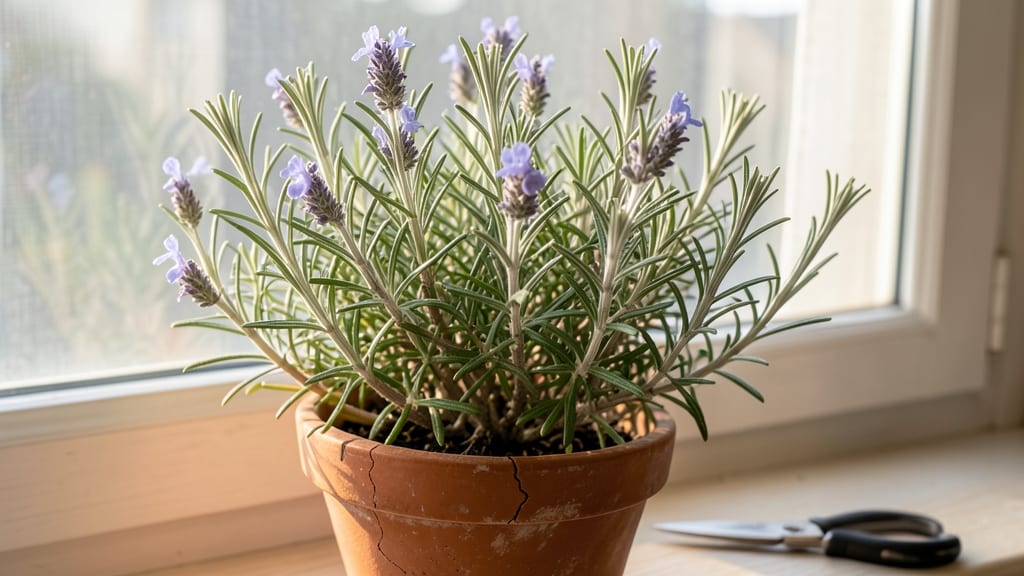
Transform your space with a fragrant rosemary house plant, letting you savor fresh, fragrant needles year-round without the garden—just like my thriving kitchen companion. 🌿 The key is mimicking its Mediterranean roots with bright light, minimal water, and well-draining soil.
Rosemary needs at least 6 hours of sunlight daily, so a south-facing window or grow lights work best. Water only when the top inch of soil feels dry—overwatering is the #1 killer of houseplant rosemary.
Use a well-draining potting mix (like cactus or succulent soil) to prevent soggy roots, and a pot with drainage holes to keep it happy. Prune occasionally to encourage bushier growth, and snip sprigs for cooking whenever you need them.
With the right care, your rosemary will stay compact, lush, and fragrant for years. You’ll never buy dried rosemary again—just pinch off what you need for soups, roasts, or garnishes.
The scent alone makes it worth growing, but the fresh flavor is the real game-changer. Once you master this, you’ll wonder why you ever bought it from the store.
This method works for both culinary and ornamental rosemary, and it’s perfect for small spaces. Even if you’ve killed rosemary before, these simple steps will help you keep it alive—and thriving—indoors. Let’s get started!
📚 In This Guide
- What you need
- Instructions
- Tips and common mistakes
- Wrapping up and next steps
What you need
- ● Rosemary plant: A healthy, potted rosemary (preferably a compact or dwarf variety like Rosemary 'Prostratus' or Rosemary 'Blue Spires').
- ● Pot: A container with drainage holes (6–8 inches in diameter for a single plant; larger for multiple stems). Terracotta or ceramic works best!
- ● Well-draining potting mix: A blend of cactus/succulent mix (60%) and perlite or coarse sand (40%) to prevent soggy roots.
- ● Drainage layer: Small pebbles or broken pottery shards (1–2 inches) at the pot’s bottom.
- ● Watering can with a narrow spout: For precise hydration (avoid overhead watering!).
- ● Pruning shears or clean scissors: For trimming leggy growth (sterilize with rubbing alcohol!).
- ● Sunlight source: A south-facing window or a grow light (12–14 hours/day if indoors).
- ● Fertilizer: A balanced liquid fertilizer (10-10-10) diluted to half-strength, used every 4–6 weeks in spring/summer.
- ● Humidity tray: A pebble tray with water to boost air moisture (rosemary tolerates dry air but thrives with slight humidity!).
- ● Support stake: For tall varieties to prevent flopping (bamboo stakes or small trellises work).
- ● Mulch: A thin layer of gravel or orchid bark to retain moisture and deter weeds.
- ● Harvesting container: A small bowl or jar to collect fresh clippings for cooking!
Step-by-step instructions for growing rosemary indoors
Transform your kitchen into a fragrant herb garden with this foolproof rosemary-growing method.
🪴 Step 1: Select the Right Container and Soil
Choose a pot with drainage holes at least 6 inches deep and wide enough to accommodate rosemary's spreading roots—8-10 inches works well for a single plant. I prefer terracotta because it breathes and helps prevent root rot, especially in humid indoor spaces. Fill the bottom third with gravel or perlite to create a drainage layer that prevents soggy soil.
Use a well-draining potting mix—never garden soil. A blend of 50% premium potting mix and 50% coarse sand or perlite mimics rosemary's Mediterranean native soil. Press the mix lightly into the pot to remove air pockets, then water it thoroughly until moisture runs freely from the drainage holes. Let it drain completely before planting.
🌱 Step 2: Plant Your Rosemary Cutting or Seedling
If using a cutting, select a 4-6 inch healthy stem with at least 3-4 sets of leaves. Remove the lower leaves, leaving only the top pair, and dip the cut end in rooting hormone to encourage faster growth. Plant the cutting 2 inches deep in the prepared soil, pressing gently to secure it without compacting the mix around the stem.
For seedlings, plant at the same depth they were in their nursery pot. Water lightly immediately after planting to settle the soil around the roots, but avoid oversaturating—rosemary roots need air, not waterlogged conditions. Place the pot in a bright, indirect light location for the first 3-5 days to reduce transplant shock.
☀️ Step 3: Position for Optimal Light and Temperature
Rosemary craves bright light—place it within 2-3 feet of a south- or west-facing window or under grow lights for 12-14 hours daily. You'll notice leggy growth if the light isn't strong enough; this is rosemary's way of stretching toward any available light source. Rotate the pot a quarter turn weekly to ensure even growth and prevent the plant from leaning.
Maintain temperatures between 65-75°F during the day and 55-65°F at night. Avoid drafts from air conditioners or heaters, which can stress the plant. If your home runs cooler, supplement with a small space heater near the plant (but not touching it) to keep roots warm.
💧 Step 4: Water and Fertilize for Healthy Growth
Water only when the top 1-2 inches of soil feel completely dry—rosemary despises soggy roots. Stick your finger in the soil; if it's dry past your first knuckle, it's time to water. When you do water, soak the soil thoroughly until water drains from the bottom, then empty the saucer to prevent root rot. Overwatering is the fastest way to kill rosemary, so err on the side of underwatering.
Fertilize lightly every 6-8 weeks during the growing season (spring and summer) with a balanced, water-soluble fertilizer diluted to half strength. Rosemary doesn't need much—too much fertilizer leads to weak, leafy growth instead of the fragrant, woody stems you want. Skip fertilizing in fall and winter when growth slows.
✂️ Step 5: Prune and Harvest for Bushier Growth
Prune rosemary 2-3 times a year to encourage bushier growth. Use clean, sharp scissors to trim back one-third of the plant's height in early spring. Always cut just above a leaf node (the bump where leaves grow out) to promote new branching. Avoid cutting into old, woody stems—they won't regrow leaves.
Harvest sprigs regularly from the tips of new growth to encourage fuller plants. Strip the leaves from the stem with your fingers (no need to cut them) and use them fresh or dry them for later. Never harvest more than one-third of the plant at a time, or you'll stunt its growth. After harvesting, give the plant a light watering if the soil feels dry.
Tips & tricks for thriving indoor rosemary
Here's what nobody tells you about keeping your rosemary lush and fragrant for years to come.
Container Selection: While terracotta pots are ideal, don't dismiss plastic containers entirely—they actually retain moisture longer in dry climates. Just be extra vigilant about drainage. I've had success with plastic pots that have drainage holes, especially in apartments where humidity levels fluctuate. The key is ensuring that whatever container you choose has adequate drainage to prevent waterlogging, which can kill rosemary roots in just days.
Light Optimization: That 12-14 hours of daily light requirement is non-negotiable for healthy growth. If your natural light isn't sufficient, supplement with a simple LED grow light placed 6-12 inches above the plant. I've found that rosemary responds particularly well to full-spectrum LED bulbs—just make sure to keep the light on for the full 12-14 hours. Notice how the leaves perk up when they get enough light; that's your plant telling you it's happy!
Watering Wisdom: The finger test for soil moisture is your best friend. When you stick your finger in and feel dryness past your first knuckle, that's your cue. But here's the thing: rosemary's Mediterranean roots are used to dry spells. I've learned that sometimes even when the top 2 inches feel dry, the plant can wait another day or two. Overwatering is the silent killer of rosemary—it's better to underwater slightly than to drown those delicate roots.
Pruning Strategy: Those 2-3 annual prunings are your secret weapon for bushier growth. I've found that the best time to prune is actually in early summer, not just spring. This gives your plant a second growth spurt before winter dormancy. When you're trimming, look for those leaf nodes—the little bumps where new growth emerges. Cutting just above these nodes encourages your rosemary to branch out beautifully, creating that lush, full appearance we all want.
Pro Tips for Rosemary House Plant
- Here's what nobody tells you about keeping your rosemary lush and fragrant for years to come.
- Container Selection: While terracotta pots are ideal, don't dismiss plastic containers entirely—they actually retain moisture longer in dry climates.
- Light Optimization: That 12-14 hours of daily light requirement is non-negotiable for healthy growth.
Frequently asked questions
Got questions about growing rosemary indoors? You’re not alone! Here are some of the most common concerns—and their easy fixes—so you can keep your fragrant herb thriving year-round.
Can rosemary really grow indoors, or is it better outside?
Rosemary absolutely thrives indoors with the right care! While it loves sunny outdoor climates, a south-facing window (or grow lights) and well-draining soil can mimic its natural habitat. Just avoid drafts or cold spots—rosemary hates the cold!
How often should I water my rosemary plant?
Water only when the top inch of soil is dry—overwatering is rosemary’s #1 enemy. Aim for about once a week (or less in winter), and always use a pot with drainage holes. Pro tip: Let excess water drain away to prevent root rot.
Why is my rosemary turning brown or crispy?
Brown edges usually mean too much sun (leaf scorch) or underwatering. If the stems look woody and brittle, it’s thirsty! Move it to indirect light if leaves bleach, or water deeply if soil feels dry. A little pruning can revive leggy growth too.
Does rosemary need special soil or fertilizer?
Use a well-draining potting mix (add perlite or sand if needed) and avoid heavy, clay-based soils. Fertilize lightly in spring/summer with a balanced, water-soluble fertilizer—rosemary prefers lean soil. Over-fertilizing can harm it!
Can I harvest rosemary from my houseplant for cooking?
Yes! Snip sprigs from the top or sides (never more than ⅓ of the plant at once) to encourage bushier growth. For best flavor, harvest in the morning and use fresh. Store stems in water like flowers, or dry bundles upside-down.
Wrapping up and next steps
Growing a rosemary house plant is a rewarding way to enjoy fresh herbs indoors while adding a fragrant, low-maintenance touch to your space. With the right care—like bright light, well-draining soil, and occasional pruning—you’ll have a thriving plant that’s perfect for cooking, aromatherapy, or simply admiring its lush greenery. 🌿
Ready to bring rosemary’s charm into your home? Start by gathering your supplies, follow the steps above, and soon you’ll be harvesting sprigs for your favorite dishes or gifting cuttings to fellow plant lovers. Happy growing!