
Flowers
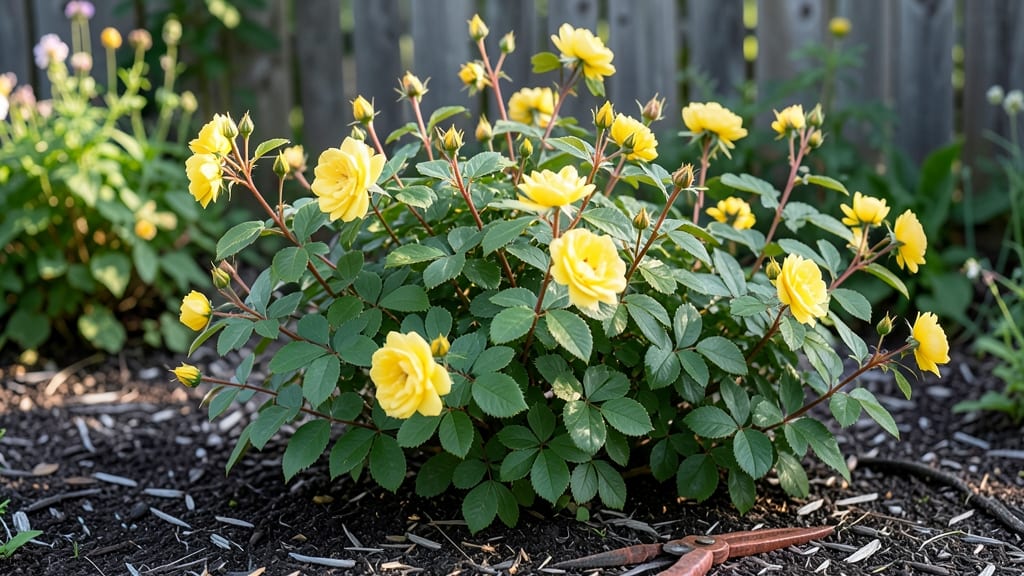
Growing a yellow Rugosa rose climber means adding a tough, fragrant superstar to your landscape—one that thrives where most roses fail. 🌿 This cold-hardy beauty survives -40°F winters, fights off pests like a champ, and blooms from early summer through fall with golden-yellow flowers that turn deep pink as they age.
The roots even help suppress weeds and improve soil health.
Start by planting in full sun with well-draining soil—it’s not picky, but it rewards good conditions with vibrant blooms and glossy, disease-resistant foliage. Water deeply once a week (more in extreme heat), and prune in late winter to shape it and encourage fresh growth.
The fragrance alone makes it worth the effort—sweet, citrusy, and strong enough to scent an entire yard.
📚 In This Guide
- What you need
- Instructions
- Tips and common mistakes
- Wrapping up and next steps
What you need
- ● Rosa rugosa 'Yellow Climber' plant: 1-2 bare-root or potted plants (choose healthy, disease-free specimens from a trusted nursery).
- ● Well-draining soil: Mix of native soil + 50% compost or organic matter (avoid heavy clay).
- ● Fertilizer: Slow-release organic rose fertilizer (e.g., 5-10-5 NPK ratio) or composted manure.
- ● Mulch: 2-3 inches of wood chips, straw, or pine needles to retain moisture and insulate roots.
- ● Support structure: A sturdy trellis, fence, or arbor (6-8 feet tall for climbing varieties).
- ● Garden trowel or spade: For planting and soil prep.
- ● Pruning shears: Sharp, sterilized shears for trimming dead or overgrown branches.
- ● Watering can or hose with gentle spray nozzle: Avoid blasting the plant.
- ● Garden gloves: Protect your hands from thorns and rough soil.
- ● Stakes or ties: To secure the rose to its support while it establishes.
- ● Epsom salt: 1 tablespoon dissolved in water monthly for magnesium boost.
- ● Copper fungicide: Preemptive treatment for powdery mildew (common in humid climates).
- ● Drip irrigation system: For consistent moisture without overwatering.
- ● Rose-specific food: Liquid feed (e.g., fish emulsion) for extra blooms.
How to plant and care for a cold-hardy yellow rugosa rose climber
This hardy beauty thrives in tough climates—here's how to plant and nurture it for years of vibrant yellow blooms.
🌱 Step 1: Choose the Perfect Planting Spot
Rugosa roses love full sun—select a site with at least 6 hours of direct sunlight daily. I always check for morning sun exposure first, as it helps prevent mildew on the thick, glossy leaves. The spot should also have well-draining soil, since these roses hate soggy roots.
If your yard has heavy clay, amend the soil with 2-3 inches of compost mixed into the top 12 inches of soil. The roots will reward you with deep yellow blooms and that signature rugged resilience. Avoid low-lying areas where cold air settles—this rose handles Zone 3 winters but still needs good airflow.
🪴 Step 2: Plant at the Right Depth and Stake for Support
Dig a hole twice as wide as the root ball but only as deep as the container's root system. The graft union (that bump near the base) should sit 2 inches above soil level—this prevents rot and ensures strong regrowth. Gently loosen the roots if they're circling before placing the plant in the hole.
Backfill with native soil mixed with a slow-release rose fertilizer (I use a 10-10-10 blend). Water deeply to settle the soil, then install a 6-foot stake on the side facing the sun. Tie the main stem loosely with soft plant ties—you'll see new canes emerge next season that will climb naturally.
☀️ Step 3: Water Deeply and Mulch for Winter Protection
Water once a week for the first month, then taper to every 10-14 days once established. You'll know it's time when the top 2 inches of soil feel dry—these roses store water in their thick stems, so overwatering causes more problems than underwatering. In summer, a 2-inch layer of mulch keeps roots cool and conserves moisture.
For winter prep, add an extra 4-inch layer of mulch after the first hard frost. The thick canes handle cold well, but young plants benefit from a burlap wrap around the base to block harsh winds. Prune in late winter (after last frost) to remove dead wood and crossing branches—this encourages those vibrant yellow clusters.
✂️ Step 4: Prune for Health and More Blooms
Prune just after flowering (late summer) to remove spent blooms and weak growth. Cut back one-third of the oldest canes each year to maintain vigor—this rose grows fast, and regular pruning keeps it compact. Always use clean, sharp shears to avoid tearing the thick bark.
Watch for suckers (shoots at the base) and remove them immediately—they drain energy from the main plant. The yellow blooms appear on new wood, so don't over-prune in spring. A lightly pruned rugosa rose will reward you with fragrant blooms from June through September and hip fruit that birds love in fall.
Tips & tricks for perfect rugosa rose planting
These small adjustments make all the difference when growing your cold-hardy yellow rugosa rose climber.
Sunlight Strategy: While the instructions call for at least 6 hours of daily sun, I've found that morning sun exposure is even more critical. The dew that lingers on leaves from morning sunlight helps prevent fungal diseases that can plague roses. If you're planting near a southern exposure, you might get away with slightly less afternoon sun, but always prioritize that morning light.
Soil Preparation: The 2-3 inches of compost mixed into the top 12 inches of soil is non-negotiable for heavy clay soils. For even better drainage, consider adding a handful of perlite or coarse sand to the mix. This rose's roots need oxygen, and compacted soil will stunt its growth. I've seen rugosa roses planted in amended soil produce blooms twice as large as those in unamended clay within just one season.
Staking Technique: When installing your 6-foot stake, place it on the side facing the sun rather than directly behind the plant. This prevents shading the main stem and encourages more even growth. Use soft plant ties that won't cut into the bark as the stem thickens. I've had success with fabric plant ties that stretch slightly—these won't need adjusting as the rose grows, unlike plastic ties that tighten over time.
Winter Protection: The extra 4-inch layer of mulch after the first hard frost is essential, but don't apply it too early. Wait until temperatures consistently drop below freezing at night. Early mulching can trap too much moisture and encourage rot. I've also found that wrapping young plants with burlap works best when you leave the top 6 inches of the rose exposed—this allows for better air circulation and prevents moisture buildup that can lead to mildew.
Pro Tips for Rugosa Rose Yellow
- These small adjustments make all the difference when growing your cold-hardy yellow rugosa rose climber.
- Sunlight Strategy: While the instructions call for at least 6 hours of daily sun, I've found that morning sun exposure is even more critical.
- Soil Preparation: The 2-3 inches of compost mixed into the top 12 inches of soil is non-negotiable for heavy clay soils.
Frequently asked questions
Q: How cold-hardy is the yellow rugosa rose, and can it survive winter?
The Rosa rugosa 'Yellow Climber' is a USDA Zone 3-9 powerhouse—meaning it can handle winters as cold as -40°F (-40°C)! Its thick canes and disease-resistant roots make it one of the toughest roses for harsh climates. Just mulch heavily in late fall to protect the base.
Q: Why aren’t my yellow rugosa roses blooming as much as expected?
If your climber is skimpy on blooms, check these fixes:
- Prune in late winter—cut back old canes to encourage new growth and flowers.
- Ensure it gets 6+ hours of sun daily (partial shade reduces blooms).
- Fertilize in early spring with a balanced rose food (10-10-10 ratio).
- Watch for aphids or black spot—treat with neem oil if needed.
Q: Is the yellow rugosa rose invasive, and should I be concerned?
The Rosa rugosa is not as aggressive as some native roses but can spread via suckers. To control it:
- Plant in a contained area (like a raised bed or pot).
- Remove suckers promptly—dig them up before they root.
- Avoid planting near wild areas if you’re in a region with strict invasive plant policies.
Pro tip: Its hip fruits (rose hips) are edible and loved by birds—so it’s great for wildlife!
Q: Can I grow a yellow rugosa rose in a container, or does it need to be planted in the ground?
Yes! This rose thrives in containers if you:
- Use a 15-gallon+ pot with drainage holes.
- Plant in well-draining soil (mix garden soil with perlite).
- Water deeply but infrequently—containers dry out faster.
- Fertilize monthly in growing season (liquid rose food works great).
Just move it to bright, sheltered spot in winter if temps drop below 10°F (-12°C).
Q: What’s the best way to prevent diseases like black spot on yellow rugosa roses?
This rose is naturally resistant but can still get black spot. Prevent it with:
- Air circulation—space plants 3–4 feet apart.
- Water at the base (avoid wetting leaves).
- Clean up debris in fall to remove fungus spores.
- Spray with baking soda mix (1 tbsp baking soda + 1 quart water + drop of soap) if spots appear.
Bonus: Its salt-tolerant roots make it perfect for coastal gardens!
Wrapping up and next steps
The Rosa rugosa 'Yellow Climber' isn’t just a stunning addition to your garden—it’s a hardy, resilient powerhouse that thrives in cold climates while offering disease-fighting benefits and vibrant golden blooms.
Whether you’re a seasoned gardener or just starting, this rose is a low-maintenance champion that rewards patience with beauty and practicality.
Ready to bring a splash of sunshine to your landscape? Start by gathering your supplies, choosing the perfect spot, and planting with confidence—your garden (and pollinators!) will thank you. 🌸✨